

KL glove makers plan price hikes ahead of expected cost increases
They are anticipating a jump in commodity, labour and other input costs coupled with a weaker US dollar
Kuala Lumpur
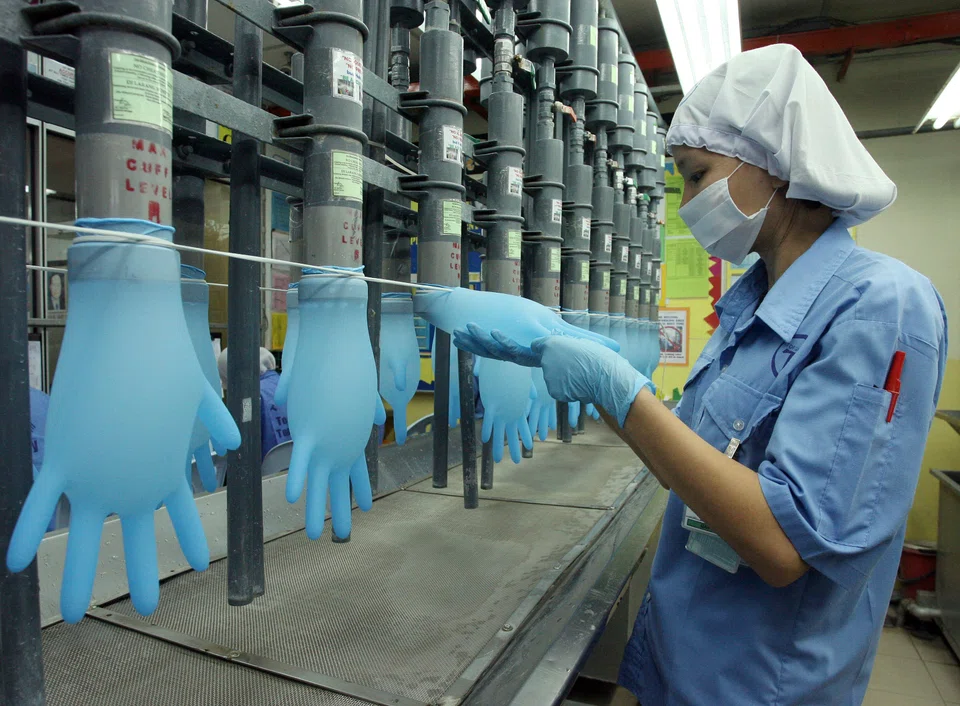
MALAYSIA's glove makers which have enjoyed a surge in earnings from stronger exports and lower raw material prices now plan to raise the price of medical examination and surgical gloves in anticipation of commodity, labour and other input cost increases coupled with a weaker US dollar.
In the past year, glove makers have enjoyed the benefits of a resurgent US dollar and low commodity prices. But the tide is turning.
The recent weakening in the greenback to around RM3.88 from a high of RM4.58 in September - a decline of about 15 per cent - has prompted manufacturers to review prices.
"The exchange rate has a direct bearing on profitability, and this situation is very closely monitored by all manufacturers. And if need be, prices will be adjusted every two weeks instead of the usual monthly pricing regime during this fluctuating business environment," Malaysian Rubber Glove Manufacturers Association (Margma) president Denis Low Jau Foo said in a statement.
Malaysia is the world's biggest producer of rubber gloves, and its manufacturers were some of the main beneficiaries of a robust greenback. A number saw record profits last year when the US dollar climbed strongly against the shrinking ringgit and slumping oil prices.
As global oil prices hold above US$40 a barrel, latex prices have also crept up from an average of RM3.55 per kg in February to about RM4.55 at present, or an escalation of about 29 per cent. Nitrile latex has seen a smaller rise of 6.3 per cent to US$1,020 per tonne from US$920, but as demand for nitrile gloves has grown faster, most glove makers have increased the production ratio in favour of the segment.
The overall demand for Malaysia's rubber gloves remains steady. Over the past few years, growing demand by developing countries - as well as outbreak of infectious diseases - have encouraged industry players to pour in millions of ringgit into bigger, more efficient and integrated production complexes. Export revenue jumped 22 per cent to RM13.1 billion last year. "The indications are all there for another good year for the industry," Mr Low said, and members have been advised to keep up the pace of expansion.
Margma said that some of its members have increased prices since early April but they could be expected to rise further.
In addition to the US dollar and raw material factors, businesses are bracing for another increase in the minimum wage from July 1. The next scheduled hike in natural gas prices is also expected around then.
As international buyers had enjoyed "very low glove prices in tandem with the low commodity prices", they would have to pay more with the "inevitable price increases", Margma said. It added that manufacturers have managed costs well over the years, and prices remain competitive.
TRENDING NOW

One-third of Singapore-listed firms at risk in severe AI downturn: MAS

‘Not done’: Keppel CEO Loh Chin Hua transformed the group, but says there’s ‘still a lot to do’

He built the Vingroup empire. Now South-east Asia’s richest man is handing some key roles to his sons
‘We don’t want to stay as we are’: CEO Patrick Ng builds a more resilient Huationg

