

Luxury giants slump as Gulf demand seizes up due to war
The war in the Middle East has disrupted oil and gas supplies and darkened the economic outlook with fears of a global inflation crisis
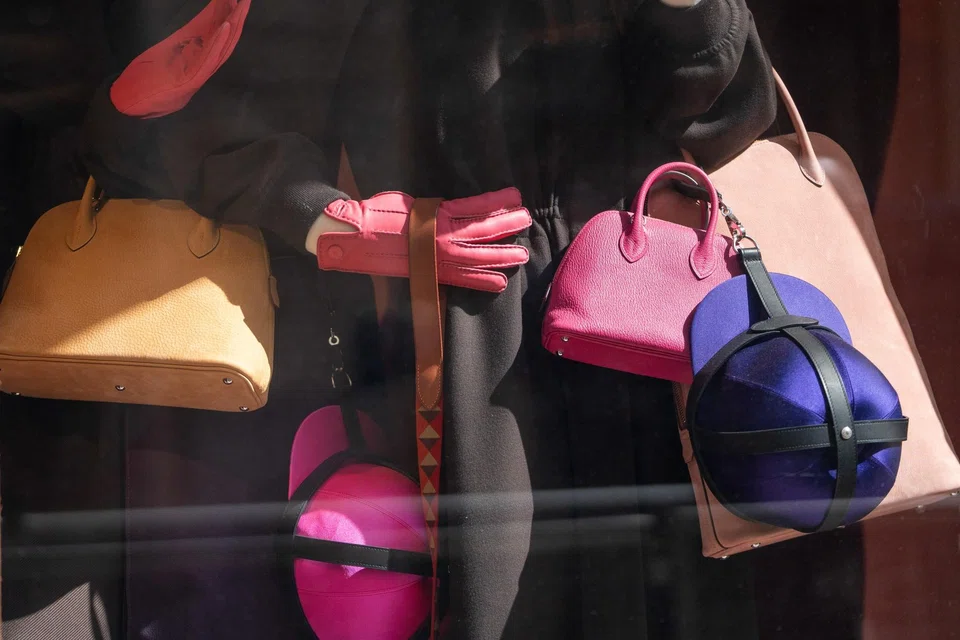
[PARIS] Seven weeks of war in the Middle East are stifling demand in the luxury industry with LVMH, Kering and Hermes all reporting weak first-quarter sales.
Shoppers in the Middle East are some of the world’s biggest spenders, splashing out at retail hubs such as Dubai and other luxury destinations, including Paris and Milan. The lacklustre results from three of the most important groups reveals how the impact of grounded flights and disrupted vacations is rippling through the industry.
Hermes International, normally the sector’s most reliable outperformer, disappointed with sales dipping by 5.9 per cent in the region. Hermes shed close to US$20 billion of its value on Wednesday (Apr 15) alone, as its shares fell as much as 14 per cent.
“We had beautiful growth at double digit rates in January and February but March ground to a halt” in the Middle East, Hermes chief financial officer Eric du Halgouet told reporters on a call on Wednesday. Hermes has six stores in the region, three of which it operates directly.
In France, where more than half of Hermes’ business is linked to tourism, sales declined 2.8 per cent due to lower spending by visitors, du Halgouet said. The maker of Birkin handbags’ stores in Switzerland and the UK were also affected by fewer Middle Eastern shoppers. While the Middle East represents about 4.4 per cent of Hermes’ total sales, customers from the region account for about 7 per cent overall, du Halgouet said.
Earlier this week, LVMH Moet Hennessy Louis Vuitton’s most important fashion and leather goods units reported a 2 per cent drop in sales. Gucci sales also tumbled with Kering’s retail revenue in the Middle East falling 11 per cent during the first quarter.
Investor sell-off
Hermes shares dropped as investors sold off shares on the back of earnings they particularly deemed disappointing in France and Asia, as well as the Middle East.
The collective market capitalisation of 10 listed European luxury companies has dropped by US$176 billion since the end of last year, according to data compiled by Bloomberg. LVMH has lost close to US$100 billion of its worth as its shares continued their decline after the luxury giant stock’s worst first-quarter performance on record.
The war in the Middle East has disrupted oil and gas supplies and darkened the economic outlook with fears of a global inflation crisis. The longer the conflict continues the greater the knock-on effect, with the turmoil already dimming hopes that the luxury sector would see a recovery following the arrival of new designers at brands such as Dior and Gucci.


LVMH’s business in the Middle East, which represents about 6 per cent of total sales, suffered after a “very positive start to the year”, the company’s CFO, Cecile Cabanis, said on Monday. The war reduced group organic growth by about one percentage point for the quarter.
Beyond ready-to-wear fashion and handbags, the luxury watch sector is also feeling the chill from reduced demand in the Middle East.
Breitling CEO Georges Kern told Bloomberg that the watchmaker has adapted shipments to the Middle East for the time being, given the lack of tourism and reduced flight schedules to the region. He said that some price points, such as the mid-segment, are suffering more than others.
While the Middle East conflict’s direct impact may be temporary, its indirect effects will likely linger, Berenberg’s Nick Anderson wrote in a note earlier this week, as higher food and energy prices are expected to squeeze aspirational consumers’ spending power. This will “reinforce the post Covid-19 squeeze on luxury spending”, he added.
Despite the gloom, Hermes indicated that the situation is starting to improve with du Halgouet saying that sales in the Middle East in the current quarter are starting to pick up.
Kern is also optimistic longer-term about the future for the Middle East.
“It’s a region where tourism will come back overnight. It won’t be a long recovery like in China, this will come back in 24 hours,” he said, speaking on the sidelines of the Watches and Wonders event in Geneva. “It’s because it’s secure, infrastructure is the best in the world, the service, tourism, hotels, airlines are the best in the world.” BLOOMBERG
Decoding Asia newsletter: your guide to navigating Asia in a new global order. Sign up here to get Decoding Asia newsletter. Delivered to your inbox. Free.
Share with us your feedback on BT's products and services
TRENDING NOW
Singapore identifies 7 firms responsible for haze fires, notices issued urging action: Grace Fu
DBS remains analysts’ pick ahead of Q3 earnings after Singapore banks’ share slump
High Court rules against Julius Baer’s Singapore trust arm in US$50 million family trust dispute

Could stablecoins be the future of money?

