LVMH Q3 revenue rises 9%, slowing from post-pandemic frenzy
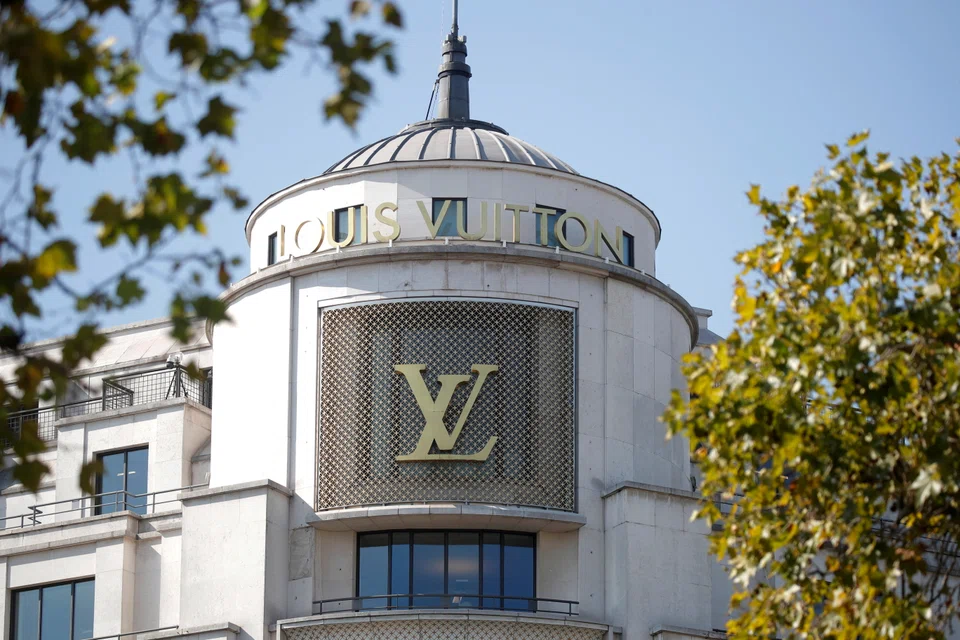
LUXURY goods bellwether LVMH reported a 9 per cent rise in third quarter revenue on Tuesday, marking slower growth as inflation and economic turbulence dented shoppers’ appetites for high end fashion.
LVMH, which owns labels including Louis Vuitton, Dior, Tiffany and Bulgari, said that revenue came to 19.96 billion euros (S$28.9 billion), up 9 per cent year on year, on an organic basis.
That was slightly below a Visible Alpha consensus for 11.5 per cent growth.
The fashion and leather goods division, home to Louis Vuitton and Dior, recorded sales growth of 9 per cent, compared to analysts’ expectations for 10 per cent growth.
LVMH is facing slowing demand for high end goods in the US and Europe, where rising prices have prompted shoppers – especially younger generations – to pull back from a post-pandemic spending euphoria, while the recovery in China has been uneven.
LVMH is the first major global luxury firm to report earnings this quarter and gives investors an insight into what to expect from rivals. Hermes and Kering report on Oct 24.
SEE ALSO


Investors have recently lowered their expectations for the luxury sector and around 96 billion euros has been knocked off the value of LVMH since April.
The French luxury group was last month unseated as Europe’s most valuable listed company after a 2-1/2 year long reign by Danish drugmaker Novo Nordisk, which was boosted by the growth of anti-obesity drug Wegovy. REUTERS
Decoding Asia newsletter: your guide to navigating Asia in a new global order. Sign up here to get Decoding Asia newsletter. Delivered to your inbox. Free.
Share with us your feedback on BT's products and services