

LVMH sales tick up as US luxury demand offsets hit from Iran war
Sales in the US rose 6% in Q2
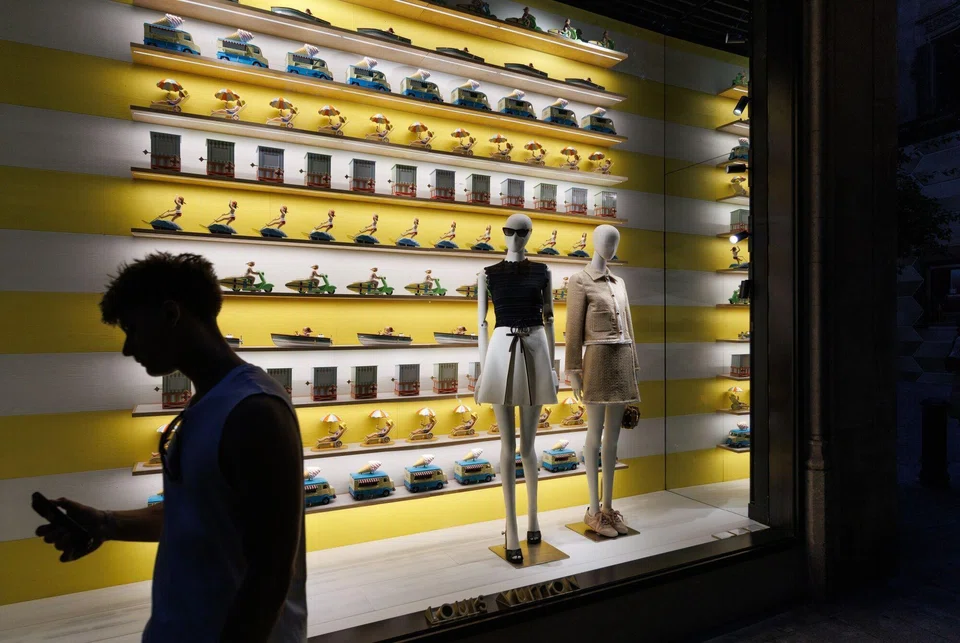
[PARIS] Sales at luxury giant LVMH edged higher in the second quarter as strong demand from affluent US shoppers helped offset weaker spending in Europe, where tourism has been hit by the Iran war.
Sales at the owner of Louis Vuitton, Dior and Moet & Chandon champagne rose 3 per cent when adjusted for currency swings to 19.5 billion euros (US$22.2 billion), broadly in line with analysts’ consensus estimate, according to Visible Alpha.
Growth was driven by the US, where sales rose 6 per cent after a 3 per cent increase in the first quarter, LVMH said, citing strong demand fuelled by newly created wealth, such as from the AI and technology booms.
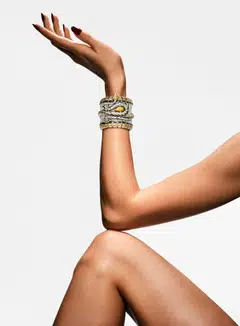
The Watches & Jewellery division was LVMH‘s fastest-growing business, with organic sales up 11 per cent, accelerating from 7 per cent in the previous quarter.
Tiffany and Bulgari posted growth in the mid-teens as wealthy shoppers continued to favour jewellery over soft luxury categories.
“What you’ve seen is that despite continued instability in the macro environment, trends improved across all geographies in H1 and where wealth is created, consumer appetite for luxury and for our products in particular is strong,” finance chief Cecile Cabanis said on a call with analysts, striking a more confident tone than after more muted first-quarter results.
Fashion and leather growing slower than hard luxury
The fashion and leather goods division, which generates the bulk of LVMH‘s operating profit, posted 1 per cent organic growth, mostly thanks to US consumers. That was the segment’s first quarterly increase in two years, but fell short of analysts’ expectations for a 1.7 per cent rise.
The French group, led by billionaire Bernard Arnault, said the Iran war reduced growth in the division by 1 percentage point, but added that Dior was gaining momentum under new creative director Jonathan Anderson, who beat rival Chanel to design Taylor Swift’s wedding dress.

In Europe, sales were flat in the quarter, stabilising after a decline in the first three months of the year as conflict in the Middle East weighed on tourism. In a rare public comment, Arnault dismissed on Sunday media reports of a bitter succession battle among his five children, insisting his family remains united.
Focusing on US markets
European luxury brands have stepped up their focus on the United States, opening stores and staging fashion events to tap wealth generated by near record-high stock markets.
However, questions remain whether LVMH‘s relatively modest sales growth is enough reassure investors that the US$400 billion luxury sector is decisively emerging from a two-year downturn.
“We wonder if this could be good enough to sustain the share price and get investors to stand up and pay attention,” Bernstein analysts said in their first reactions to investors.
LVMH‘s US-listed shares were down 1.6 per cent at 1704 GMT, having briefly slipped to their lowest since June last year.
Shares in the French group have fallen 28 per cent year to date, making LVMH one of Europe’s worst-performing large-cap stocks.
“Net, we view this as a reassuring print particularly on better than expected margins and earnings,” RBC analysts said in a note. “However questions will likely be asked around whether (second half) consensus expectations are achievable given increasingly tougher comparative”.
For the first half, LVMH‘s sales rose 2 per cent on an organic basis, but fell 3 per cent on a reported basis to 38.6 billion euros.
Over the same period, profits from current operations fell 4 per cent to 8.7 billion euros, as currency moves reduced earnings by about 700 million euros, though the operating margin was broadly stable at 22.5 per cent.
Rivals Kering and Hermes report results on Tuesday and Wednesday respectively. REUTERS
Decoding Asia newsletter: your guide to navigating Asia in a new global order. Sign up here to get Decoding Asia newsletter. Delivered to your inbox. Free.
Share with us your feedback on BT's products and services
TRENDING NOW

Once staunchly pro-China, Malaysian Chinese businesses are now distancing themselves from Beijing

Looking beyond looming CEO succession, should UOB potentially pursue a transformative merger?

Could stablecoins be the future of money?

Grab CEO’s wife Chloe Tong on life with Anthony Tan and finding her purpose

