

McDonald's, Pepsi, others should consider pausing Russia operations: NY pension fund
 Add BT as a preferred source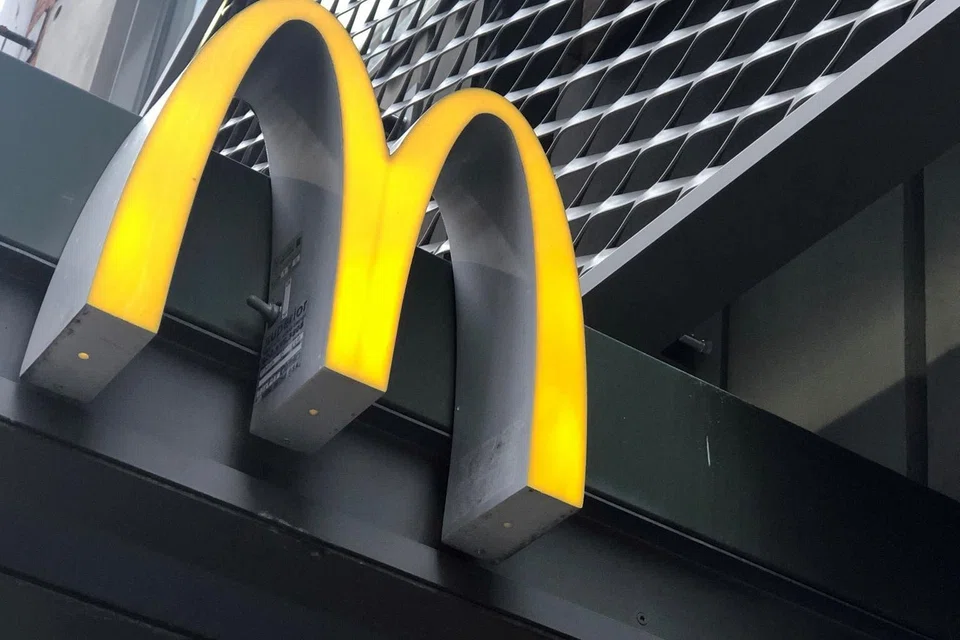
[NEW YORK] Major global brands, including McDonald's Corp, Pepsi Co and the Estee Lauder Cos, should consider pausing their operations in Russia, New York state's pension fund chief wrote in letters to several companies on Friday (Mar 4).
Other companies that received the letter were Mondelez International, Fortinet, Kimberly-Clark Corp, Bunge, Coty, Alnylam Pharmaceuticals and Trimble.
None of the companies immediately replied to a request for comment.
Political pressure is building for companies to halt business in Russia because of its invasion of Ukraine, and sanctions are making some operations difficult. Some big companies have already said they will stop, including sneaker maker Nike and home furnishings firm Ikea.
The letters from New York State Comptroller Thomas DiNapoli urged companies to review their businesses in Russia because they face "significant and growing legal, compliance, operational, human rights and personnel, and reputational risks", wrote DiNapoli, who oversees the state's roughly US$280 billion pension fund, which owns shares of the companies.
Pausing or ending operations in Russia "would address various investment risks associated with the Russian market and play an important role in condemning Russia's role in fundamentally undermining the international order that is vital to a strong and healthy global economy", the letter said. REUTERS
Decoding Asia newsletter: your guide to navigating Asia in a new global order. Sign up here to get Decoding Asia newsletter. Delivered to your inbox. Free.
Share with us your feedback on BT's products and services
TRENDING NOW
DeepSeek founder Liang Wenfeng becomes the world’s richest AI model creator

Singapore fuel distributor Global Group doubles down on Timor-Leste with US$10 million oil terminal
Early payout from Philippines’ Maharlika Investment Fund raises eyebrows over its true nature
Flight to safety: New citizens and PRs drive Singapore luxury home sales as broader market cools

