

New book asserts exercise 'recovery' is mostly bogus
Health journalist Christie Aschwanden dishes the dirt on the dubious science backing most of the fads of the past decade.
 Add BT as a preferred source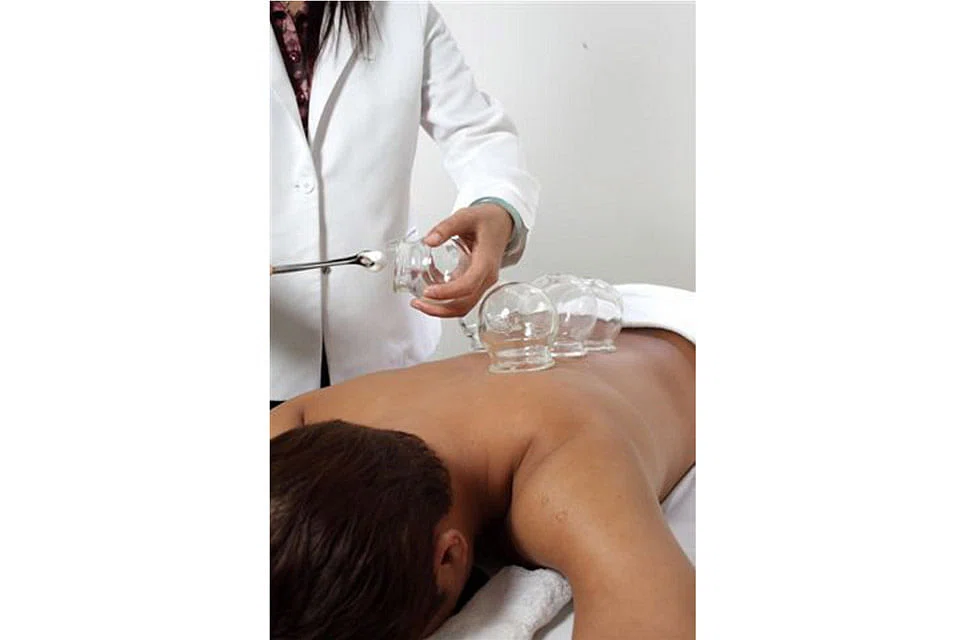
WHEN health journalist Christie Aschwanden was travelling the world as a competitive ski racer in the 1990s and 2000s, recovery between training sessions basically meant doing nothing - taking a day to sleep in or lie around with a good book.
About a decade ago, she noticed something had changed: recovery became a thing athletes actively performed - with foam rollers, cryotherapy, or cupping - as part of their training routines. These recovery tools were heavily marketed to athletes, including amateur ones, as a means to boost performance and bust muscle aches.
In a new book, Good to Go: What the Athlete in All of Us Can Learn from the Strange Science of Recovery, Ms Aschwanden walks through all the biggest recovery fads of the past decade - and exposes the shoddy science backing most of them.
TRENDING NOW

Shanda co-founder sells Tanglin Hill bungalow for S$76 million

Jumbo Seafood to close flagship East Coast Seafood Centre outlet on Sep 30

Nearly half of Apac’s wealthy expect market crash or correction, plan to rotate to cash: study
Yeo’s, Tiger Beer and now Gardenia – flight of food manufacturing from Singapore might be just as planned

