New PlayStation and Xbox consoles enter US$150b games arena
Next generation of archrivals' video-game devices will go on sale later this week
 Add BT as a preferred source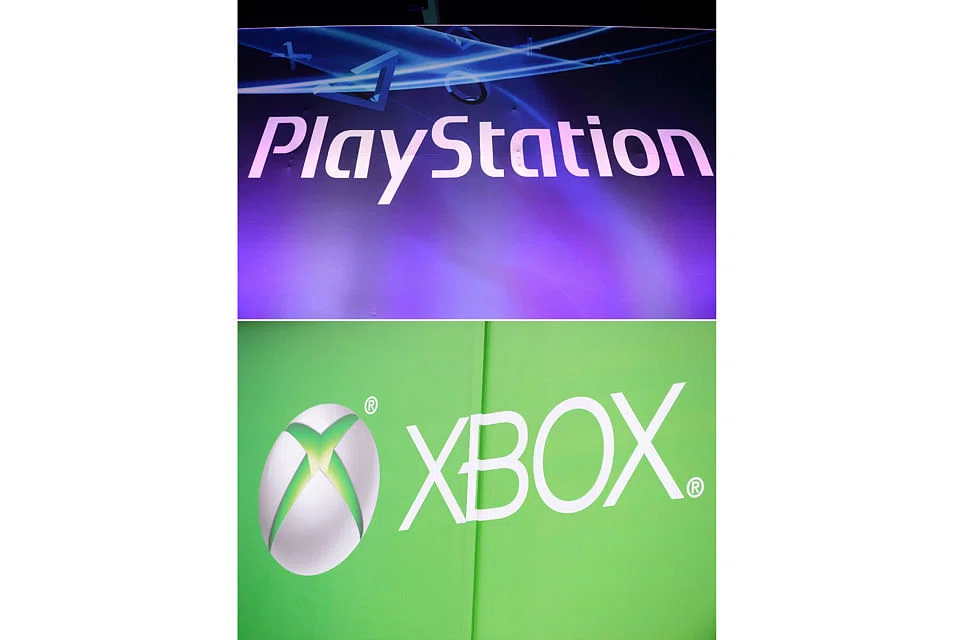
DeeperDive is a beta AI feature. Refer to full articles for the facts.
Tokyo
SONY and Microsoft go head-to-head once again with the next generation of their blockbuster video-game consoles that will be launched later this week.
Sony, whose PlayStation 5 (PS5) takes on Microsoft's Xbox Series X and Series S, is widely viewed as being in pole position to capitalise on a pandemic-driven boom in consumer spending that has buoyed the US$150 billion video game industry.
The Japanese company's deep bench of games and broader fan base - it has sold over 100 million PS4s, winning the battle of the previous generation - should see it retain its edge over its American archrival, according to industry experts.
"People who own Xbox tend to buy the new Xbox, while people who own PlayStation tend to buy the new PlayStation," said Wedbush Securities analyst Michael Pachter.
Yet the industry is changing and cloud gaming is on the rise, allowing games to be streamed without bulky hardware. This could curb console sales in coming years, analysts say, a shift that could benefit Microsoft.
Navigate Asia in
a new global order
Get the insights delivered to your inbox.
The two consoles - the first to be released by the two companies for seven years - are eagerly awaited; the Xbox will go on sale on Tuesday, and the PS5 two days later in core markets, costing about US$300 to US$500 apiece.
The race to order the devices in advance actually began weeks ago, though blink and you might have missed it. Pre-orders of Sony's PS5 sold out within minutes on many retail sites, for example, frustrating fans.
Julian Mercado, 17, managed to reserve a PS5 from Walmart.com just minutes after pre-orders started on Sept 16, knowing he would be up against a legion of gamers.
"It's exactly like shopping on Black Friday," said the high school student from Dallas, who has been playing video games with his dad since he was five. "You show up early, you walk away with something good. You show up too late, you'll walk away with nothing."
Sony might have the edge, but the stakes are high for the Japanese company. Its gaming business is its biggest cash cow; in its fiscal 2019 the division, which includes hardware, software and services, brought in close to a quarter of its roughly US$77 billion group sales and nearly 30 per cent of its US$7.9 billion operating profit.
Microsoft does not break out the results of gaming, though it's a smaller part of its business than for Sony. It also does not disclose hardware sales but the current Xbox One is estimated by analysts to have sold 50 million units.
For the other big hardware player, Japan's Nintendo, sticking to consoles is paying off with it hiking forecasts last week following elevated demand for its Switch.
About five million PS5s are forecast to be sold this year, versus 3.9 million of the new Xboxes, according to media research firm Ampere, with combined sales expected to be higher than the previous generation.
"The pandemic is expected to transform the US holiday shopping season," said Jason Benowitz, a senior portfolio manager at Roosevelt Investment Group. "Playing from home has become a way for some to safely socialise."
Sony's games depth is supported by in-house studios behind exclusives such as Marvel's Spider-Man: Miles Morales. By contrast, the new Xbox, say games experts, will lack killer launch titles, with the latest in its flagship Halo series pushed back to next year as the pandemic hits development.
Cloud-gaming growth could hand the US software giant an advantage in coming years, though. Although both companies have moved to offer services, Microsoft has been more aggressive. Its Xbox Game Pass subscription service has grown rapidly; it offers more than 100 titles including brand-new games and has over 15 million users. Sony has been reluctant to make its hottest titles available on services like PlayStation Now, fearing this could cannibalise sales of big-budget games.
The pandemic, while fuelling some demand, has also constrained Sony and Microsoft's production, according to industry experts, who see shortages stretching into 2021.
"Demand will outstrip supply so there's going to be some people who won't get a-hold of the console when they want to," noted Piers Harding-Rolls, director of Ampere's games research. REUTERS
Decoding Asia newsletter: your guide to navigating Asia in a new global order. Sign up here to get Decoding Asia newsletter. Delivered to your inbox. Free.
Share with us your feedback on BT's products and services