NZ govt funds manuka honey trademark bid in China, leaving Australia with sour taste
Australian producers say if NZ trademarks the "manuka" name in China, they could lose A$1b in sales
 Add BT as a preferred source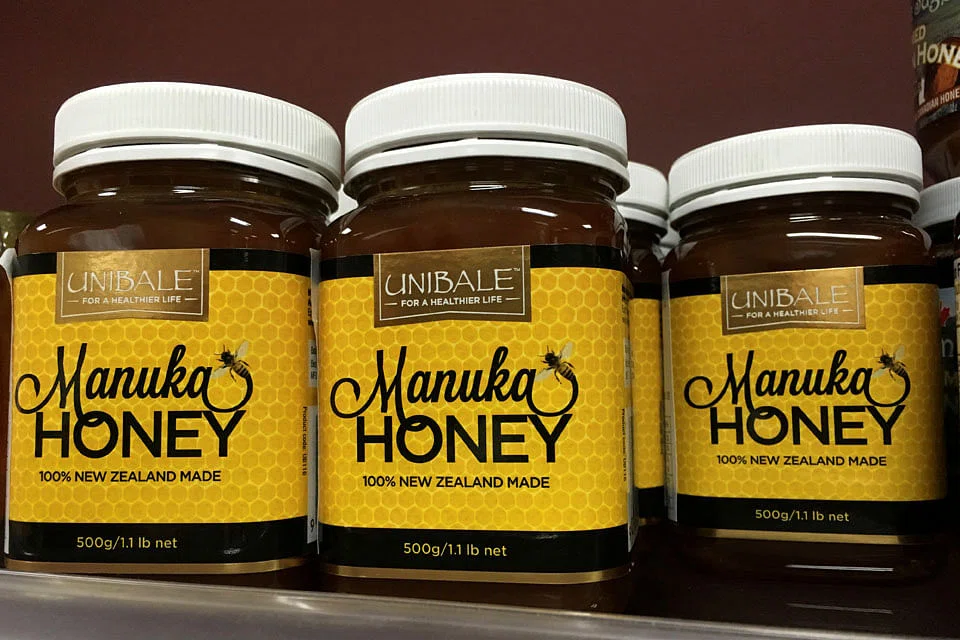
Sydney
THE New Zealand government is supporting a bid by the country's honey producers to trademark the name "manuka" in China, angering Australian rivals who fear losing out in their joint biggest market for the lucrative product.
New Zealand Agriculture Minister Damien O'Connor said on Wednesday the producers' application to Beijing's Intellectual Property Court would protect the hard work of Kiwi manuka producers. "We believe manuka is a brand that has been developed, valued and promoted from New Zealand and it should remain that way," he said.
Local media reported that the government was giving NZ$5.7 million (S$5 million) to the Manuka Honey Appellation Society (MHAS) to fight the case. Manuka is the Maori name for the plant that produces the namesake honey, which is advertised as having health benefits including antioxidant and anti-inflammatory properties, making it particularly popular among Asian consumers.
Australian manuka honey producers said if New Zealand is successful in trademarking the name in China, they stand to lose A$1 billion (S$933.6 million) in sales. "We have 84 species of the manuka plant and one species in New Zealand which we strongly believe came from Australia," said Paul Callendar, president of the Australian Manuka Honey Association, adding a plea for assistance from his own government.
Australia has 65 manuka honey producers, based mainly in the country's south-eastern states of Tasmania, Victoria and New South Wales. There are more than 100 producers in New Zealand.
William van Caenegem, a law professor at Australia's Bond University, said the meaning of "manuka" had become blurred. "The problem is that the term manuka honey has become descriptive of the style rather than indicating geographical origin of the honey," Prof van Caenegem said.
"New Zealanders would say that manuka really comes from New Zealand and that's how consumers see it whereas Australians just see it as a potent honey and that's it." REUTERS
Share with us your feedback on BT's products and services