

One fifth of UK households had 'negative disposable income' in June, says supermarket group
 Add BT as a preferred source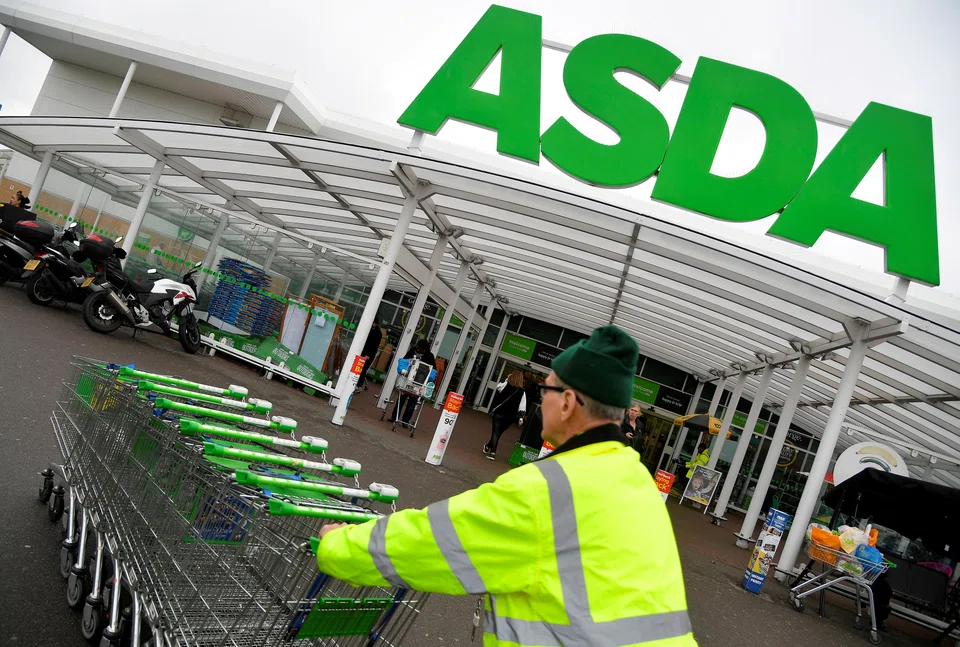
DeeperDive is a beta AI feature. Refer to full articles for the facts.
ONE fifth of British households had “negative disposable income” last month, with a shortfall between what they earned and what they needed to spend on essentials, UK supermarket group Asda said on Monday (Jul 25).
Confidence levels among Britain’s consumers are at record lows as they struggle with the accelerating cost of living. Wages are failing to keep pace with inflation that hit a 40-year high of 9.4 per cent in June and is heading for double digits.
Low-income families are particularly feeling the pinch.
The Asda Income Tracker showed 20 per cent of UK households had negative disposable income in June – an average shortfall of 60 pounds (S$100) per week between what they earned and what they needed to spend on essential bills for groceries, electricity, gas, transport and mortgage interest payments or rent.
The data from Asda, Britain’s No. 3 grocer after market leader Tesco and Sainsbury’s, showed a record 18 per cent year-on-year drop in average household disposable income of 43.95 pounds a week in June.
The average household had 200 pounds per week left last month after paying for essentials – a figure that has fallen for eight consecutive months to a level last seen in December 2017.




Navigate Asia in
a new global order
Get the insights delivered to your inbox.
In response to the crisis, Britons are trading down in both stores and products, switching from mainstream supermarkets to discounters and from branded to lower priced private label products.
They are also cutting back on fuel purchases as they reduce the number of car journeys they make, buying fewer takeaways, cancelling streaming services and cancelling repair warranties on domestic appliances. REUTERS
Decoding Asia newsletter: your guide to navigating Asia in a new global order. Sign up here to get Decoding Asia newsletter. Delivered to your inbox. Free.
Share with us your feedback on BT's products and services
TRENDING NOW

Autobahn Rent A Car directors declared bankrupt over S$50 million each owed to DBS

Amazon’s MGM Studios gains creative control over ‘James Bond’ franchise

UOB’s Wee Ee Cheong says S$4.9 billion Citi deal ‘paying off’ as Asean push accelerates

In taxing wealth, how far can Singapore push property owners?

