Organic farmers find fertile ground in North Africa
 Add BT as a preferred source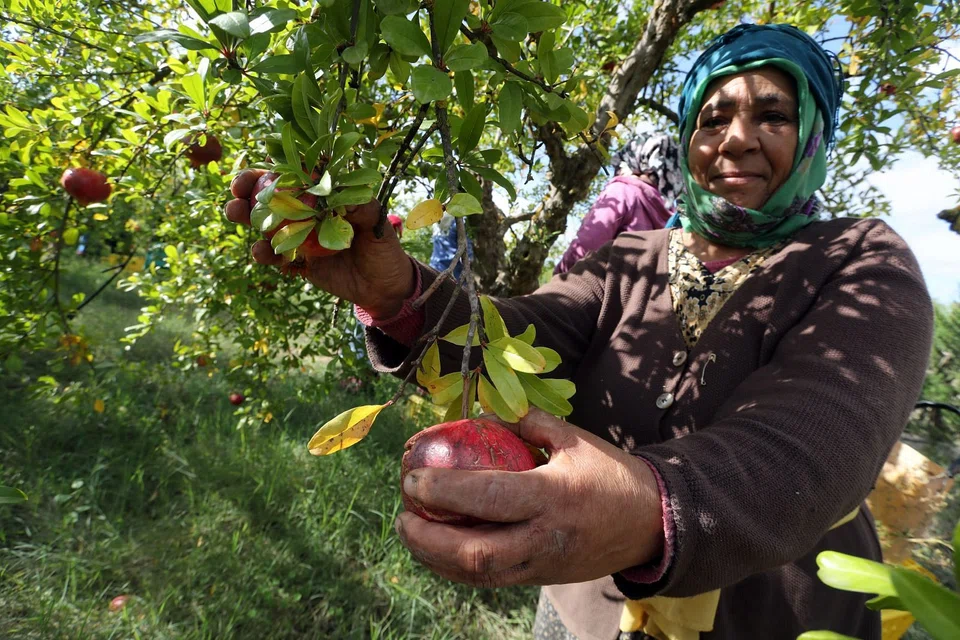
DeeperDive is a beta AI feature. Refer to full articles for the facts.
Tunisia
PROUDLY displaying her freshly picked pomegranates, Tunisian farmer Sarah Shili says going organic is "the future of farming" - and as demand surges in North Africa and beyond, the sector is blooming.
Shili runs Domaine Elixir Bio, a 94-hectare farm near Tunis that produces organic-certified vegetable, fruit and cereal crops . The farm's revenues have surged thanks to strong demand and the growth of online sales, multiplying five times in as many years to hit 100,000 euros (S$156,000) in 2020.
That is despite the higher price of organic products in a middle-income country where many people's wallets have been hit hard by the coronavirus pandemic and years of economic crisis.
Indeed, with export demand also on the rise, Shili says the main challenges are on the supply side. "We lack water, like all farmers, and to get organic seeds and plants we have to do everything ourselves."
Despite the challenges, the sector has surged in Tunisia since the turn of the millennium.
Navigate Asia in
a new global order
Get the insights delivered to your inbox.
In 2001, just 16,000 hectares were dedicated to organic farming - a figure that has multiplied 20-fold over two decades. The number of producers and venders has grown at a similar pace to some 8,000, said Samia Maamer, in charge of organic products at the agriculture ministry.
Maamer said the sector has helped diversify the country's economy and now makes up 13 per cent of food exports.
While there is strong demand in the US and Europe for bio products, they are also gaining attention among 25-30-year-old Tunisians "who are well-informed" about their benefits, she added.
As the market grows, Tunisia hopes that by 2030 the sector will contribute to help develop tourism, renewables and handicrafts, she said.
Bio farming is also on the rise in Morocco, where the area of farmland certified for organic production has more than doubled since 2011 to reach over 10,300 hectares.
But given the country's 300,000 hectares of aromatic and medicinal plants, there is potential for going organic.
Moroccan authorities are trying to develop the sector with the Green Morocco Plan, which helps farmers cover the costs of getting certified. AFP
Decoding Asia newsletter: your guide to navigating Asia in a new global order. Sign up here to get Decoding Asia newsletter. Delivered to your inbox. Free.
Share with us your feedback on BT's products and services