

PepsiCo raises revenue forecast on boost from price increases
 Add BT as a preferred source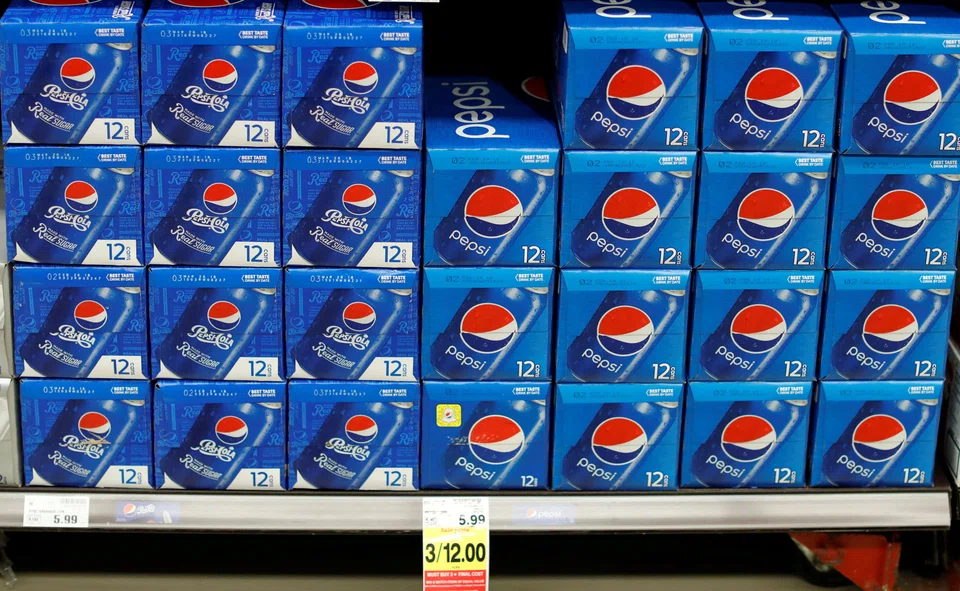
DeeperDive is a beta AI feature. Refer to full articles for the facts.
PEPSICO beat estimates for quarterly revenue on Tuesday (Apr 26) and raised its full-year forecast on steady demand for its sodas and snacks even in the face of several rounds of price increases.
Pandemic-induced disruptions to the global supply chain and runaway inflation have sent costs soaring on everything from aluminium cans to labour and shipping, forcing the packaged food industry to regularly raise product prices.
PepsiCo has said it could potentially raise prices later in the year if costs climb more than expected, but analysts and companies, including arch rival Coca-Cola, have warned that demand will likely slow as inflation shows no sign of cooling.
The Lays chips maker also said it took a US$241 million charge in the first quarter related to property, plant and equipment impairment, as well as inventory write-downs due to the Russia-Ukraine crisis.
In March, PepsiCo and Coca-Cola said they were suspending soda sales in Russia, as a cascade of major American brands ceased some or all of their businesses in the country following Moscow's invasion of Ukraine.
The company said it now expects fiscal 2022 organic revenue to rise 8 per cent, compared with its forecast of a 6 per cent increase.
Navigate Asia in
a new global order
Get the insights delivered to your inbox.
Pepsico's net revenue rose 9.3 per cent to US$16.20 billion in the first quarter ended Mar 19, also helped by the lifting of Covid-19 capacity restrictions in public places such as restaurants and theatres where Pepsi cola is sold.
That beat analysts' revenue estimates of US$15.54 billion, according to IBES data from Refinitiv.
However, the company trimmed its full-year core earnings per share forecast to US$6.63 from US$6.67 due to the impact of a stronger US dollar.
The company's shares rose marginally in premarket trading on Tuesday. REUTERS
Copyright SPH Media. All rights reserved.
TRENDING NOW

From 1MDB to ‘corporate mafia’: Is Malaysia facing a new governance test?

Higher costs, lower returns: Why are Singaporeans still betting on real estate?
South-east Asian markets account for 8.8% of global capital inflows from 2021 to 2024: report

Richard Eu on how core values, customers keep Singapore’s TCM chain Eu Yan Sang relevant

