

Pfizer to make Gilead's Covid-19 treatment remdesivir
 Add BT as a preferred source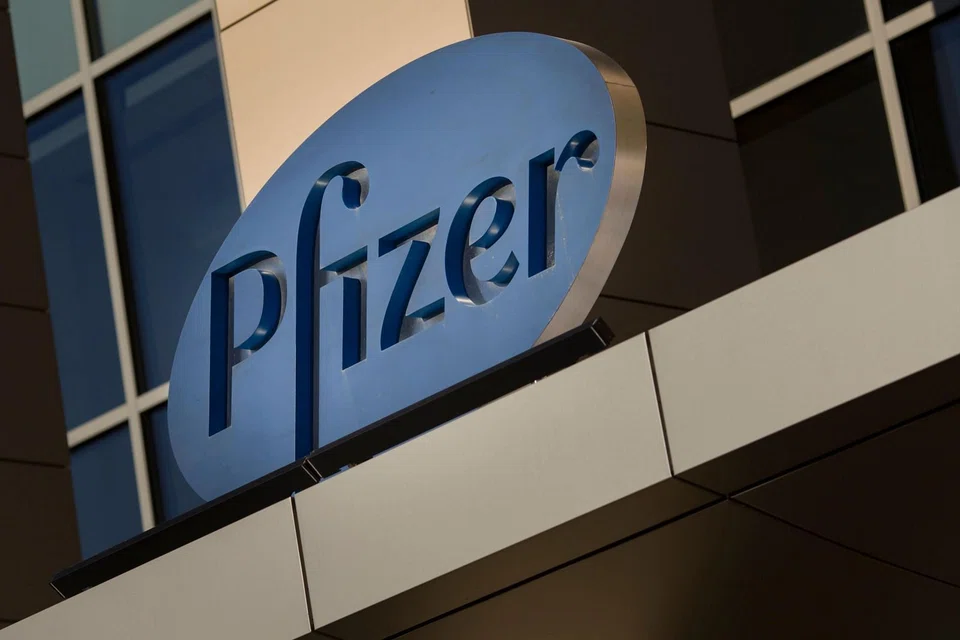
DeeperDive is a beta AI feature. Refer to full articles for the facts.
[BENGALURU] Pfizer said on Friday it signed a multi-year agreement to make Gilead Sciences' antiviral drug remdesivir in a bid to ramp up supply of the Covid-19 treatment.
Gilead is aiming to supply enough of the drug by the end of the year to treat more than 2 million Covid-19 patients, and agreed to send nearly all of its remdesivir supply to the United States through September.
But hospital staffers and politicians have complained about difficulties getting access to the drug, which is one of only two to have demonstrated an ability to help hospitalised Covid-19 patients in formal clinical trials.
Earlier this week, a bipartisan group of state attorneys general urged the US government to allow other companies to make Gilead's remdesivir, to increase its availability and lower the price of the antiviral drug.
Gilead said its manufacturing network for the drug had grown to more than 40 companies in North America, Europe and Asia to add capacity.
Separately on Friday, Britain's Hikma Pharmaceuticals said it has started manufacturing remdesivir at its Portugal plant.
Navigate Asia in
a new global order
Get the insights delivered to your inbox.
Pfizer will provide contract manufacturing services through its McPherson, Kansas plant, the drugmaker said. It was not immediately clear if Pfizer would supply only for the US market.
Pfizer, with Germany's BioNTech, is also rushing to develop a vaccine against the coronavirus.
REUTERS
Decoding Asia newsletter: your guide to navigating Asia in a new global order. Sign up here to get Decoding Asia newsletter. Delivered to your inbox. Free.
Share with us your feedback on BT's products and services
TRENDING NOW

Shelving S$5 billion office redevelopment plan proved ‘wise’ as geopolitical risks mount: OCBC chairman
China pips the US if Asean is forced to choose, but analysts warn against reading it like a sports result

Beijing’s calculated silence on the Iran war

Middle East-linked energy supply shocks put Asean Power Grid back in focus

