

Private healthcare players pivot to outpatient care as Singapore hospitals battle bed, staff crunch
Ambulatory care facilities can also help make private healthcare more affordable due to lower overhead costs

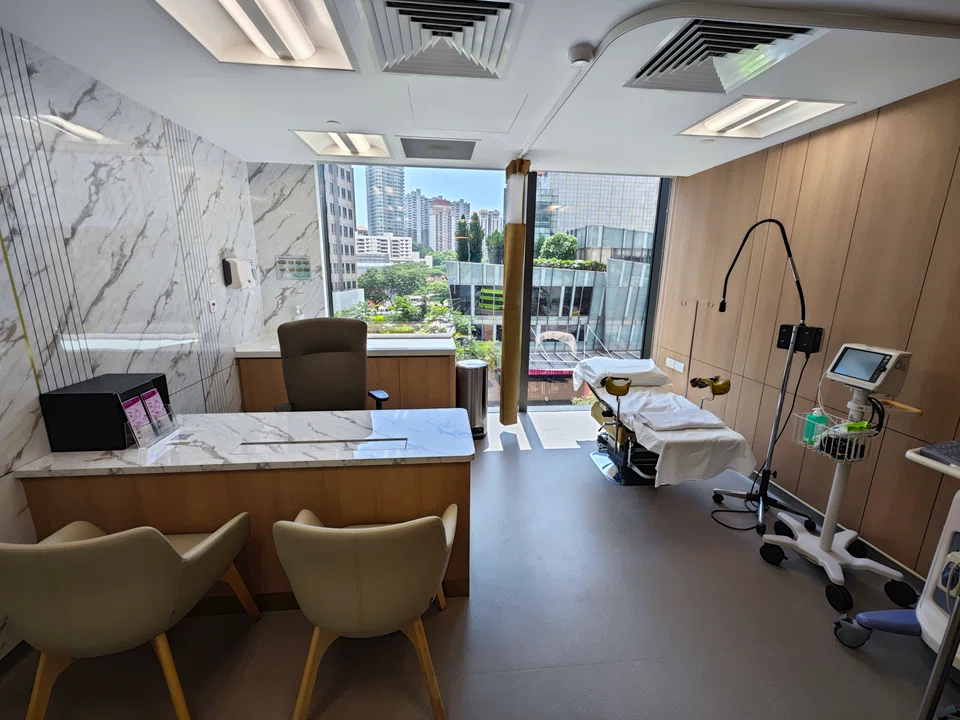
PRIVATE healthcare players in Singapore are turning their attention to ambulatory care facilities, and expanding such outpatient offerings to help plug gaps in the country’s healthcare system.
These facilities help to reduce overhead costs, address staff shortages faced by some healthcare centres, and provide greater access to private healthcare, said analysts and service providers.
Ambulatory care, also known as outpatient care, refers to the myriad healthcare procedures that do not require patients to be admitted for overnight stays. These include day surgeries, which range from cataract surgery and endoscopy to plastic surgery and orthopaedic procedures.
CGS International analyst Tay Wee Kuang said there is an “increasing trend” of healthcare providers pivoting to setting up ambulatory care centres in Singapore.
“This will allow private healthcare providers to offer more basic healthcare and treatment services that may not require overnight (stays) in a hospital, freeing up important bed resources for patients who need them,” he said.
As at September, 73 unique facilities in Singapore that offer ambulatory surgical care are listed on national platform HealthHub, based on data compiled by RHB Singapore.
Of these, 53 are privately owned, while the remaining 20 are public healthcare institutions.
RHB Singapore’s head of equity research Shekhar Jaiswal said it is “difficult to comment” on the pace at which these centres have expanded in the private healthcare space.

However, he noted that mainboard-listed IHH Healthcare has “started putting greater emphasis” on setting up more ambulatory care centres.
Yong Yih Ming, chief operating officer of IHH Healthcare Singapore, said the group has several community ambulatory care centres, with diverse offerings such as health screenings, specialist gynaecology, diagnostics and allied health services.
The group also has a hospital-based ambulatory care centre in The Heeren, near its Mount Elizabeth Hospital. Its Mount Elizabeth Fertility Centre and Haematology and Stem Cell Transplant Centre are both at The Heeren.
Yong told The Business Times that IHH’s ambulatory care centres, while not new to both public and private healthcare, “complement our hospitals and existing clinics, by offering patients better access to care”.
Another listed player, Thomson Medical, started offering ambulatory care services last year, and has launched three of such centres in the last 12 months. Its Singapore chief executive officer, Lee Suen Ming, said the centres and nearly 40 clinics under the group form a network located close to communities in Singapore.
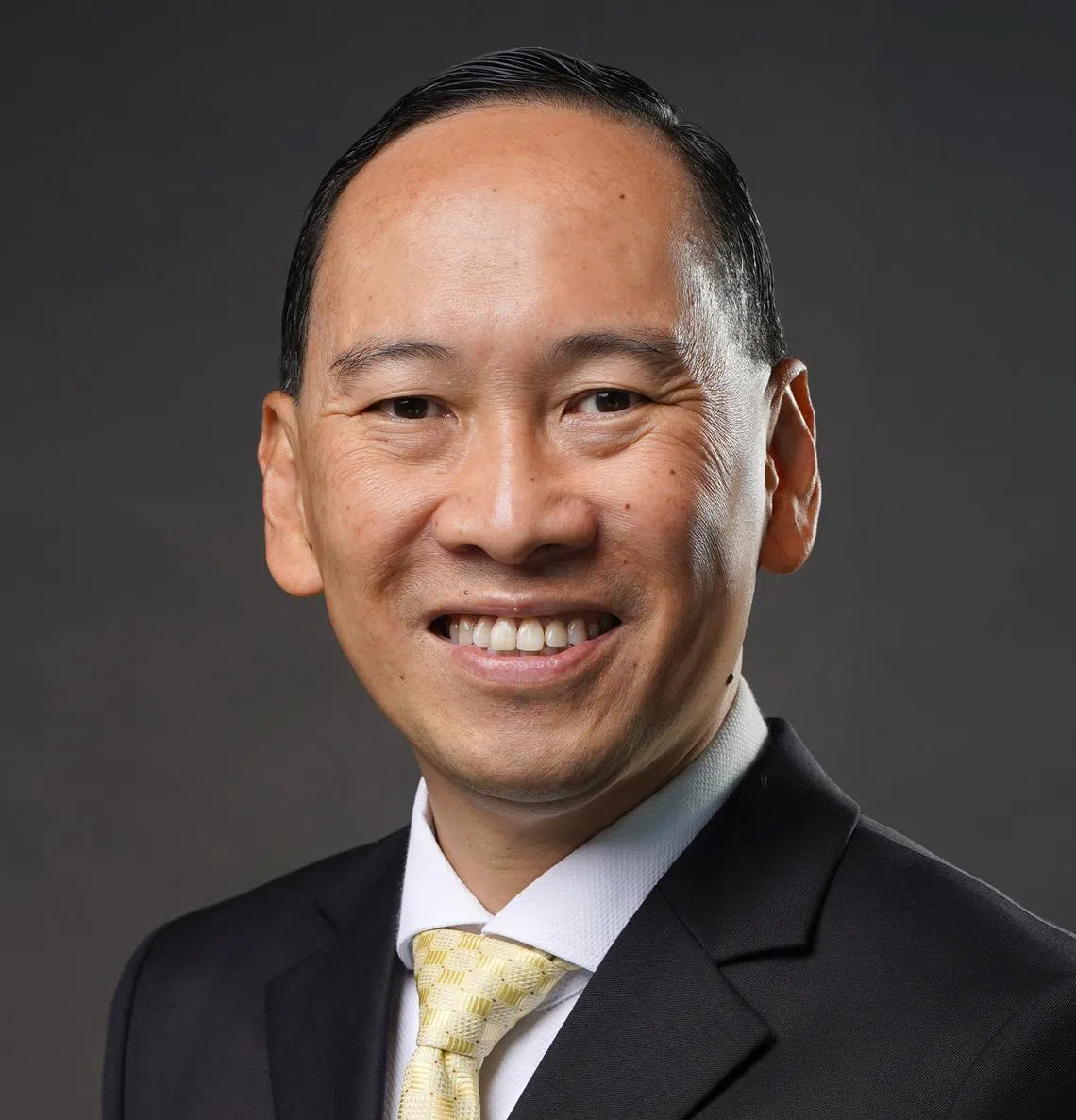
“This is part of Thomson Medical’s larger Singapore strategy to provide quality and value care for the whole family, in locations closer to different communities,” he said.
Meanwhile, privately owned HMI Medical Group has three ambulatory care centres in Singapore.
“Ambulatory care centres are designed to streamline the patient’s journey from consultation to diagnosis and treatment, all under one roof,” said HMI Medical executive director and group chief executive Chin Wei Jia, adding that the group aims to ensure its patients have convenient access to its healthcare services across the island.
Cutting costs, time
Ambulatory care centres can help to make private healthcare more affordable due to its lower overhead costs, as it focuses on day surgeries and non-emergency operations.
RHB’s Jaiswal said these centres do not require emergency surgery and intensive care unit set-ups, which are needed in a hospital.
“It also helps in managing specialist care centres with limited manpower, addressing the current nursing staff shortage in Singapore’s healthcare sector,” he said.
IHH Healthcare’s Yong said the centres “have the ability to offer more and specialised services, while also ensuring healthcare costs are kept cost-effective by allowing hospitals to focus on more complex conditions”.
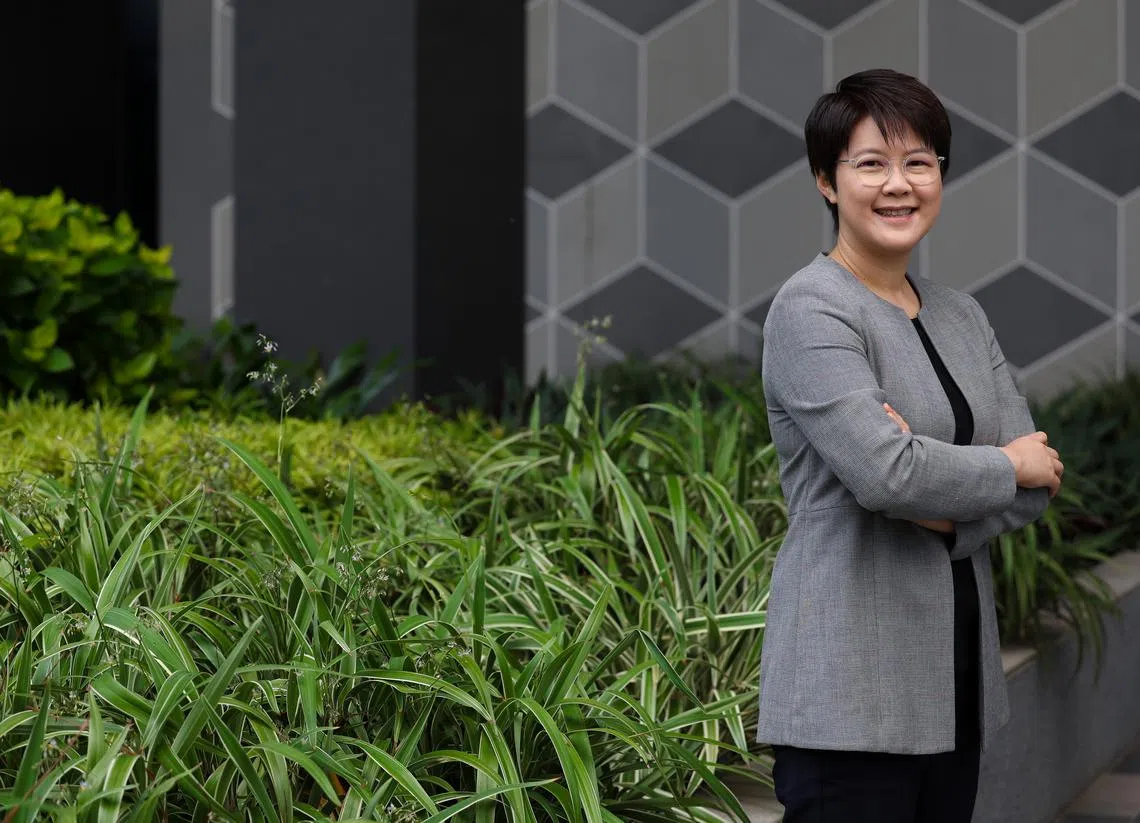
Chin of HMI Medical noted that the fees of two common procedures at the group’s largest ambulatory care facility, HMI Medical Centre – colonoscopy and total knee replacement – are generally lower than those of similar procedures at a private inpatient hospital, based on 2022 fee benchmark data provided by the Ministry of Health.
Paring down recovery times is also a goal of such centres, which is beneficial amid a dearth in healthcare facilities.
Chin said these centres generally offer minimally invasive surgeries, allowing patients to go home the same day and avoid hospital admission.
“This approach not only facilitates quicker recoveries but also allows patients to return to their daily routine quickly,” she said.
The group has announced plans to integrate specialised healthcare into its ambulatory care centres by furthering its spectrum of specialisations. HMI Medical earlier this month said it will acquire a majority stake in urology specialist Advanced Urology Associates.
Similarly, Thomson Medical’s Lee said ambulatory care centres, which are parked under the Thomson Specialists brand, provide minimally invasive surgeries under its specialisations. For example, Thomson Specialists offers these surgeries for conditions such as ovarian cysts, fibroids and endometriosis.
Expansions, collaborations
Private healthcare players noted that expanding their centres is part of their plans as they aim to increase patient convenience.
“Our investment remains in expanding the reach of our clinics and (ambulatory care centres) as well as enhancing the experience on our digital touchpoints,” said HMI Medical’s Chin.
Thomson Medical’s Lee said the group remains “on the lookout for expansion opportunities”.
Yong of IHH said the group will expand its service offerings “in tandem” with increased demand. The healthcare provider has plans to open a second hospital-based ambulatory care centre at Royal Square, close to Mount Elizabeth Novena Hospital, as well as set up community ambulatory care centres across the region.
CGS International’s Tay said that among the listed companies, IHH Healthcare’s array of hospital assets will benefit the most from the ambulatory care centre set-up, as it allows the group to better maximise operations within its hospitals and improve its patient referral network.
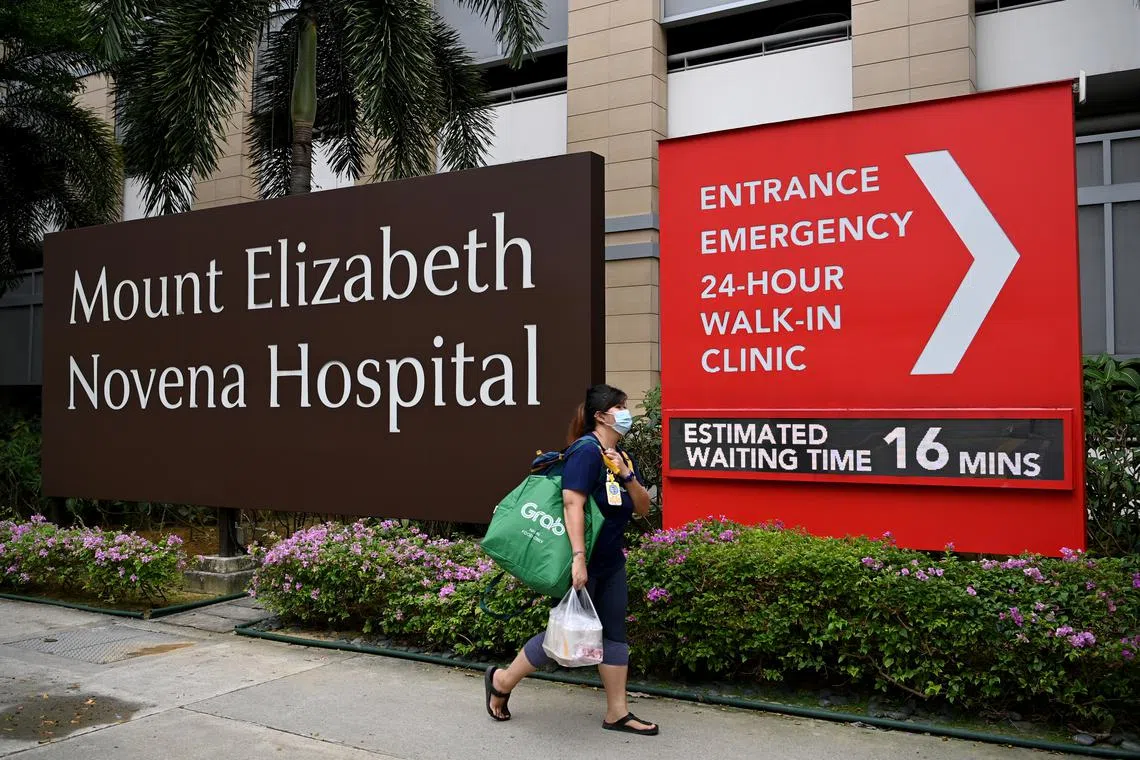
Jaiswal said that while these ambulatory care efforts enable private healthcare players to capitalise on the shortage of public healthcare facilities, the sector is still largely dominated by the private healthcare system.
“However, it is worth noting that the public healthcare infrastructure is seeing high utilisation levels, and the government has been working with private healthcare providers to ensure they can take some load away from the already stretched public healthcare system,” he said.
In January, Minister for Health Ong Ye Kung said in a parliamentary reply that public hospitals are tapping transitional care facilities, among other methods, to expand overall capacity.
These facilities – built during the Covid-19 pandemic to alleviate a hospital bed crunch and retained after the pandemic – took in medically stable patients from public hospitals waiting for long-term care arrangements. They are generally managed by private healthcare operators.
Jaiswal said: “We see possibilities of more (of) such collaboration between public and private healthcare service providers going forward.”






