Restaurants turn to data-mining to serve up enhanced dining experience
New York
THE early diners are dawdling, so your 7.30pm reservation looks more like 8. While you wait, the last order of the duck you wanted passes by. Tonight, you'll be eating something else - without a second bottle of wine, because you can't find your server in the busy dining room. This is not your favourite night out.
The right data could have fixed it, according to the tech wizards who are determined to jolt the restaurant industry out of its current slump. Information culled and crunched from a wide array of sources can identify customers who like to linger, based on data about their dining histories, so the manager can anticipate your wait, buy you a drink and make the delay less painful.
It can track the restaurant's duck sales by day, week and season, and flag you as a regular who likes duck. It can identify a server whose customers have spent a less-than-average amount on alcohol, to see if he needs to sharpen his second-round skills.
So Big Data is staging an intervention.
Both startups and established companies are scrambling to deliver up-to-the-minute data on sales, customers, staff performance or competitors by merging the information that restaurants already have with all sorts of data from outside sources: social media, tracking apps, reservation systems, review sites, even weather reports.
They have an eager audience. The NPD Group, a market research company, is predicting "flat" growth in 2017 restaurant traffic, with a 2 per cent decline among full-service restaurants and no growth for quick-service restaurants. A 2016 National Restaurant Association survey reported that four out of five restaurateurs believed that business would improve if they embraced technology, and a third worried that they were lagging in those efforts.
Disrupting the food space
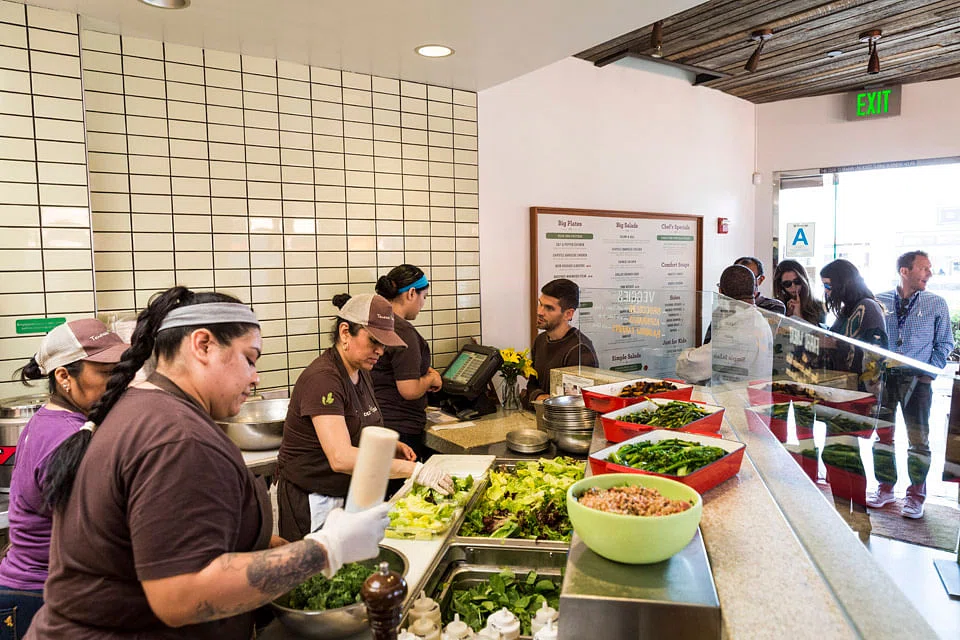
"Silicon Valley looks at inefficiencies in the world, and they aim to disrupt the food space," said Erik Oberholtzer, a founder and the chief executive of Tender Greens, a quick-service chain based in Los Angeles that is using data to guide its East Coast expansion. "I mean that in a good way."
In the old days, restaurateurs used ledgers to track sales, and scribbled notes about their customers' preferences or idiosyncrasies. Then along came point-of-sale software and reservation services that provided more sophisticated records and analysis, but created a tech tower of Babel, with most systems speaking their own dialect.
Avero, a New York City-based company founded in 1999, defined the next generation of analytics: It translated data into a common language, added external data and generated an easy-access overview of inventory, food costs and sales, accounting, scheduling and customer behaviour. "Not 40 systems with 40 passwords," said Avero's founder, Damian Mogavero.
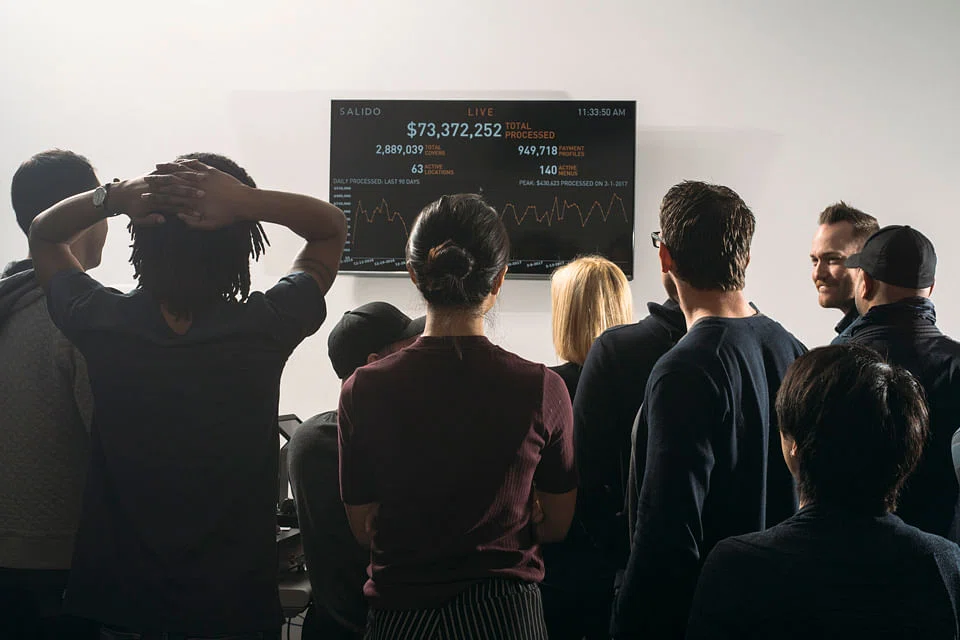
Newer companies now aspire to eliminate the need for translation, to create an analytics program that integrates all aspects of a restaurant's operations into one system, with one password, in real time with mobile access, said Shu Chowdhury, the chief executive of a startup called Salido. One of its initial investors is the chef Tom Colicchio, who is using it as he revamps and expands his chain of 'Wichcraft sandwich shops.
These new tools make a paradoxical promise: that they can take restaurants back to the good old days, before the business grew so big.
"The goal," Mr Oberholtzer said, "is to leverage the technology to do what we would do if we had one little restaurant and we were there all the time and knew every customer by name." Mr Oberholtzer and his two partners opened the first of two dozen cafeteria-style restaurants in Culver City, California, in 2006, and plan to open an equal number in the North-east by 2020. Every new Tender Greens will rely on what he calls "a whole rebuild of technology", because the 11-year-old system it uses is about as up-to-date as a beeper.
He has decided on a combination of three systems that "play well with others", he said, so there's no communications problem: Brink POS software, a point-of-sale system that Mr Oberholtzer says "is robust enough to handle volume and simple enough for our teams to use easily", an essential combination for an expanding company; Olo, to coordinate online ordering and delivery; and the Punchh mobile app, which logs each customer's name, email address and purchase history.
"It gives us ways to recognise people who've been in regularly, or haven't been in for a while or have specific preferences," Mr Oberholtzer said.
A regular diner who always orders the niçoise salad will get a message on the app about the halibut special. A diner who always orders vegetarian options will not get the message about the summer hog roast. "We want to accommodate everyone's needs," Mr Oberholtzer said, "sometimes before they even mention them."
In Chicago, at the Michelin-starred Oriole, where 28 diners sit down each night to a US$190 tasting menu, the owners, Noah and Cara Sandoval, rely on data from the Upserve system to identify their top 100 guests in terms of numbers of visits and amount spent, but that's just the start. The system also creates a profile with every first-time reservation.
"You can't know that someone's going to become a regular, so you don't necessarily keep track of those people," Mr Sandoval said. "But the system does." NYTIMES
TRENDING NOW
Three ex-employees of Envy group join Ng Yu Zhi in bankruptcy
He built the Vingroup empire. Now South-east Asia’s richest man is handing some key roles to his sons
Grab CEO’s wife Chloe Tong on life with Anthony Tan and finding her purpose
Incidence of civil servants buying property near unannounced MRT stations ‘a concern’, but may not establish misconduct: PSD