

Singapore clothing rental market a bright spot for fashion sector
Subscriptions stable or have risen since outbreak began, say companies offering service here
Singapore
SINGAPORE'S clothing rental subscription market might just be a ray of hope for the fashion industry, which is taking a beating thanks to the Covid-19 outbreak.
Amid the doom and gloom, some observers are seeing resilience in the niche clothing subscription scene, which operates like Netflix for fashion: customers pay a monthly fee to cycle through a selection of rented items delivered to their doorsteps.
Fitch Solutions released a report earlier this month predicting that the sector's "solid" long-term fundamentals in Singapore would help it weather the pandemic. These include steady rises in consumers' clothing spend and disposable incomes.
The market insights firm predicted that the average Singaporean's disposable income this year would hit US$36,237 - the highest in Asia, surpassing Hong Kong, South Korea, Japan and Taiwan.
The average local consumer's annual clothing and footwear spend is also predicted to expand 2.6 per cent this year from US$626 to US$637, reaching US$767 by 2024.
"(Singapore's) consumers are best placed in the region to be able to afford non-essential luxury services, such as clothing subscriptions, which tend to have higher price points," Fitch said.
Monthly subscription rates for clothing rentals range from S$49 for six items to S$279 for unlimited items.
With subscriber figures accounting for roughly 6 per cent of all women aged 20 to 40 years old, Fitch estimated that the Republic's clothing rental subscription market to be worth US$3.9 million a year.
This sum is set to increase over the next few years as the trend catches on, it added.
The firm said the sector's long-term potential will outweigh short-term risks such as fears of sharing clothes amid the outbreak.
Reina Nakamura, general partner of fashion-tech venture capital firm Lyra Ventures, added that unlike retailers that purchase inventory in advance, subscription businesses source clothes from different avenues including off-season items.
This means they are largely shielded from cash flow issues, and could even stand to benefit from the virus outbreak as brands search for alternative ways to clear their stocks.
Players in Singapore's clothing subscription scene include Style Theory, MADThread, Closet Share and The Treasure Collective.
Three companies - MADThread, Closet Share and The Treasure Collective - told The Business Times that subscriptions had either remained stable or risen since the outbreak began in earnest here last month.
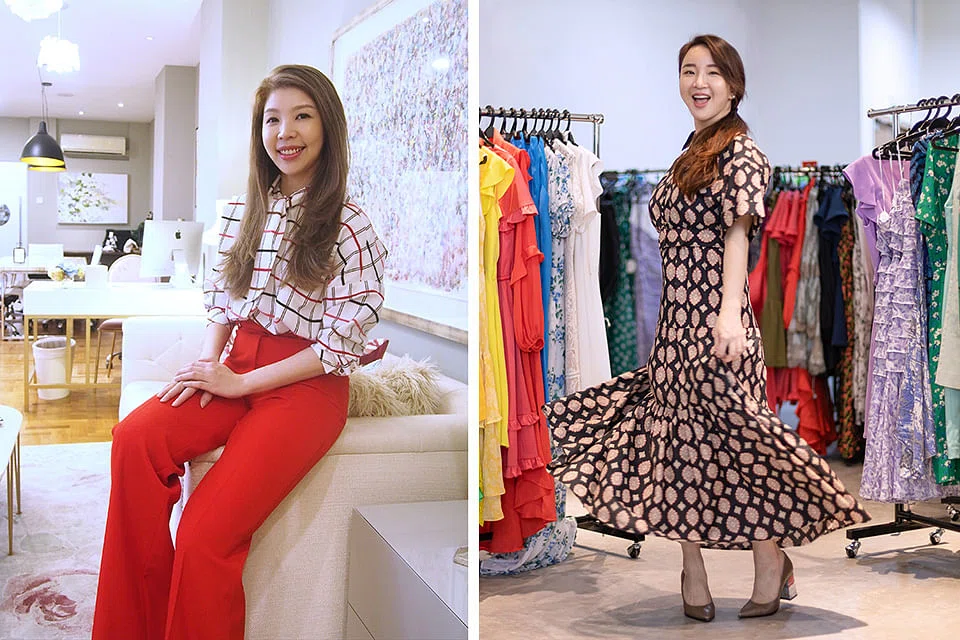
Nicole Hu, the founder of one-year-old MADThread, said revenues for the first quarter of the year tripled compared to the same period last year. Subscriber figures jumped tenfold over the past year, and the amount spent per subscriber had also risen.
Said Ms Hu: "We offer everyday wear, rather than ball gowns or evening wear, so there is still a need for customers to use our service."
The MADThread founder added that despite the current health scare, the company had built up customer trust with its stringent hygiene standards. It uses a food-grade sanitiser to disinfect bags and clothes, which it says is similar to the sanitisers used in hospitals and infant care facilities.
Similarly, a spokesman for Closet Share said subscriptions had risen, as customers, worried about adequately disinfecting their clothes at home, increasingly opt for its services as garments are professionally sanitised.
The three-year-old Korean brand, which boasts 300 per cent annual growth, sterilises clothes with a high-temperature process.
It recently added a product quarantine system and contactless delivery to its Singapore and South Korea operations in response to Covid-19.
As for The Treasure Collective, subscriptions - which made up 60 per cent of rental orders over the past four months - are now propping up the business, while one-time rentals of gowns and cocktail dresses have plummeted to almost zero following widespread cancellations of weddings and corporate functions.
Said The Treasure Collective founder Tresor Anne Tan: "As the majority of our subscriber base are professional women in the financial services, legal and MNC sectors, many of them still utilise our service for their day-to-day needs as they head to work.
"We have a few subscribers who paused their subscriptions over the past two weeks as they are working from home, but their subscriptions will be reinstated once working conditions normalise," she added.
The Treasure Collective recorded double-digit percentage growth last year. Since January this year, it has also clocked a 30 per cent increase in items for rent, Ms Tan said.
She added: "I am hopeful that when things turn for the better and companies reinstate their normal operating models, our subscription business will pick up."
But Lyra's Ms Nakamura cautioned that the market could still be affected by the virus outbreak in the long run.
"In our view, whether or not such businesses are resilient to the impact of Covid-19 is not just a matter of overall consumer spending drying up. We are looking at a potentially significant transformation in the way people live and work," she said.
"For example, if people adapt to working more from home, then they are likely to need less workwear. We advise (these companies) to be mindful in building their inventory mix and stay prepared to respond to changes in customer behaviour."
Decoding Asia newsletter: your guide to navigating Asia in a new global order. Sign up here to get Decoding Asia newsletter. Delivered to your inbox. Free.
Share with us your feedback on BT's products and services
TRENDING NOW

Indonesia begins cutting natural gas exports to Singapore from Oct 24: reports

Singapore’s central gas buyer affirms Indonesia’s role as ‘important partner’ amid export review warning

KKR founders among investors buying 42% of Peter Lim’s Valencia; club valued at US$1.4 billion

NEA issues notices to 10 Singapore-based companies, including Wilmar and APP, over haze

