Singapore food manufacturers in spotlight as Asean consumption recovers

Megan Cheah
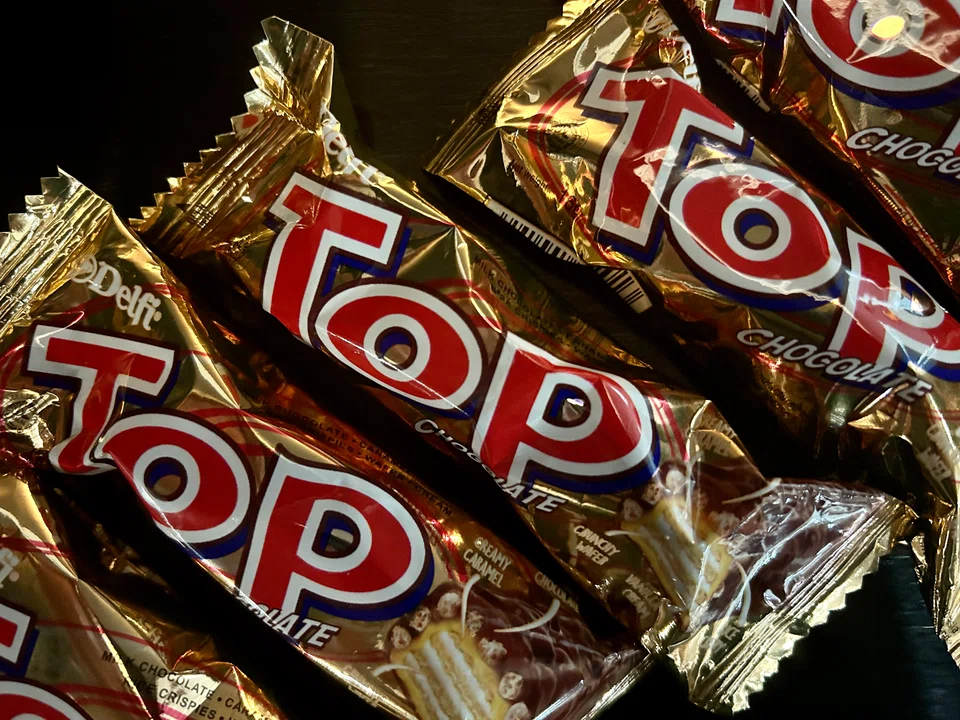
SINGAPORE-LISTED food and beverage (F&B) manufacturers should get a lift from a post-Covid consumption recovery across South-east Asia next year.
Industry watchers warned, however, that these companies also face headwinds from higher interest rates and inflationary pressures.
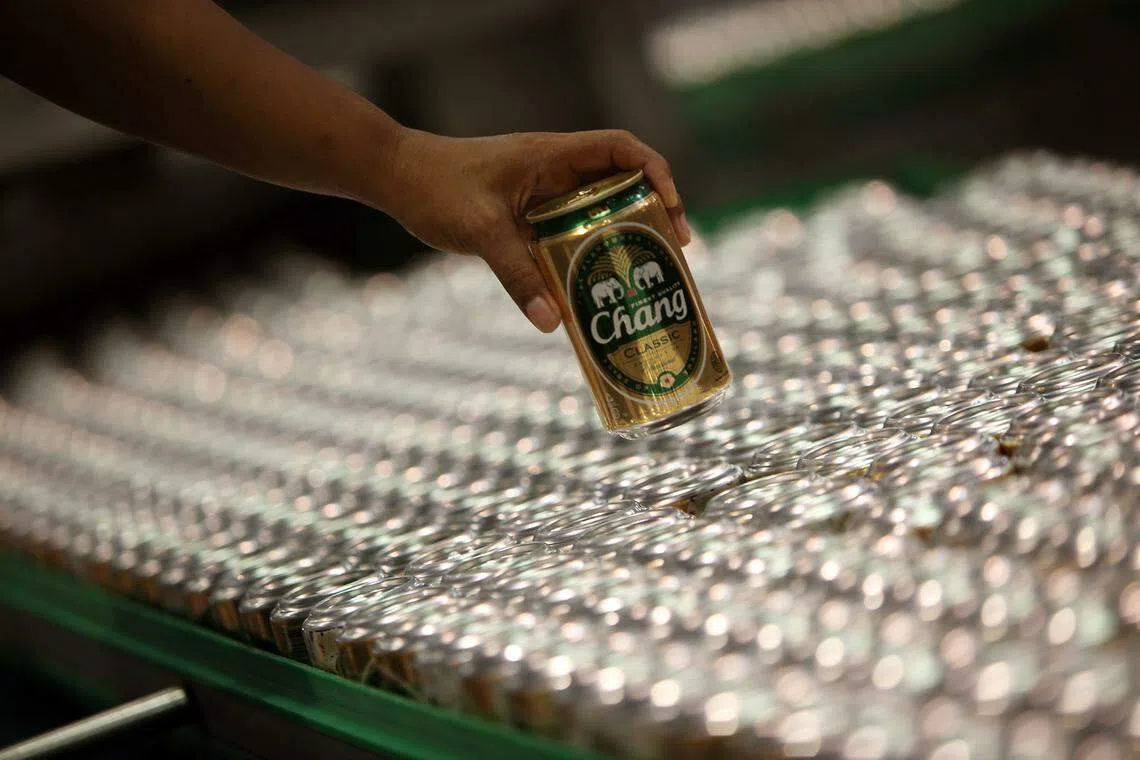
F&B manufacturing companies – such as Chang beer maker Thai Beverage , confectionery brand Delfi and instant 3-in-1 coffee maker Food Empire – have shown resilience in the past year.
While margins have come under pressure due to cost inflation, DBS Group Research analyst Andy Sim noted that cost pressures have largely been mitigated by the passing of the increase in prices through to consumers.
It is mostly companies selling consumer goods with higher brand equity that are faring better, though, said CGS-CIMB analyst Tay Wee Kuang.
“Within consumer food staples such as cooking oils, consumers are able to down-trade to cheaper alternatives,” he said. “Poultry consumption seems to have fallen as consumers switch to cheaper protein alternatives, such as tempeh in Indonesia.”
There are also pockets of the market that appear to be less elastic. “Chocolate consumption has been more resilient, given that only a smaller proportion of consumers were consuming such products pre-pandemic,” Tay added.
Alfie Yeo, senior research analyst at RHB Singapore, said markets have yet to fully recognise the resilience of Singapore-listed midstream food manufacturers. He reckons the recovery will be “gradual rather than immediate”, which suggests upside for investors in the year ahead.
Inflation, interest rates eat into earnings
For the first nine months of 2023, Delfi posted a 9.4 per cent increase in earnings before interest, taxes, depreciation and amortisation (Ebitda) to US$52.8 million, as revenue rose 15.2 per cent to US$412.6 million.
In its latest quarterly business update, however, the confectionery manufacturer flagged “potential economic headwinds” in 2024.
Interest rate and inflationary pressures, currency volatility, and higher oil prices would impact its markets, the company said.
Food Empire, too, is performing well in its core market.
The company reported a 14.8 per cent drop in net profit after tax to US$42.3 million for 9M 2023, largely due to the absence of a one-off gain of US$15 million from the disposal of a non-core asset in the previous year.
Its operating profit, however, was up 55.7 per cent to US$54.3 million, as revenue climbed 6.7 per cent to US$305.1 million.
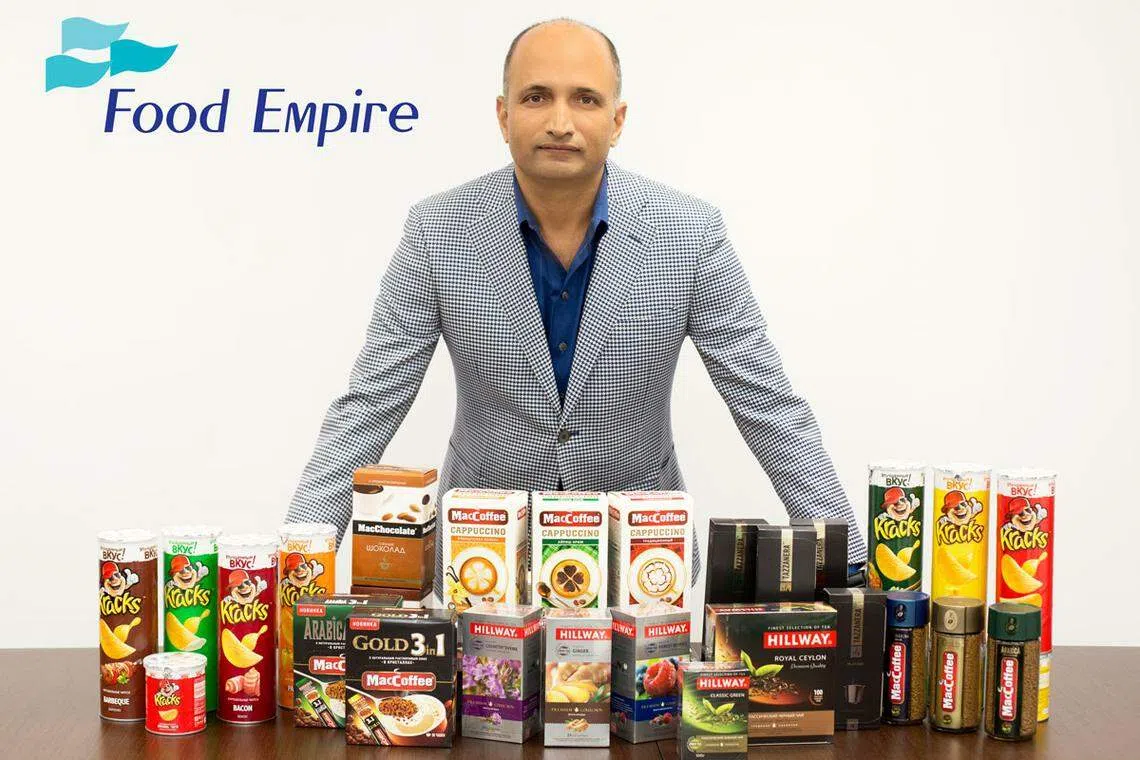
Group chief executive Sudeep Nair said the pandemic had served as a “speed breaker”. Several of the company’s long-term plans, such as the construction of new manufacturing plants, were put on hold.
Nevertheless, the group had taken the opportunity to continue investing in its brands and focused on specific product lines and promotions.
Higher contributions from Vietnam boosted the group’s revenue from South-east Asia. Nair said the group now has about 12 per cent of the market share for branded coffee mix in Vietnam, and is a leader in the country’s ice coffee segment.
“We are also trying to develop (in) neighbouring countries, as some goods are exported there for consumption,” he said.
Results were more mixed at Thai Beverage. Its full-year revenue increased 2.5 per cent to 279.1 billion baht (S$10.6 billion), thanks to an improvement in Thailand’s economic activity. Net profit, however, fell 8.9 per cent to 27.4 billion baht on cost pressures and brand marketing and investment.
While it noted improvements in the beverage industry this year, the group warned of weak purchasing power among low-income households due to high household debt and the rising cost of living.
Staying resilient
RHB’s Yeo said companies are generally dependent on the key markets where they operate. Their recoveries would therefore hinge on when the various countries lifted their Covid-19 restrictions.
He favours Delfi, whose brands are prevalent in Indonesia, as it is likely to benefit from the country’s consumption recovery.
Thai Beverage, whose key markets are Thailand and Vietnam, is also expected to gain from the former’s eventual return to pre-pandemic consumption levels and incoming tourist spending, he said.
Yeo sees Food Empire – which is largely exposed to Russia and Ukraine but retains a key South-east Asian market in Vietnam – as a “slightly riskier buy” compared to its peers.
“In general, the outlook for FY2024 will be more positive as companies strategise to grow volume sales and gain market share with new products, new target segments, and new customers or points of sales,” he told The Business Times.
Industry watchers also noted that several of the midstream food manufacturers have relatively healthy cash flows and gearing ratios.
Food Empire’s nine-month business update indicated a cash inflow of US$24.5 million from operating activities, bringing its cash and cash equivalents to US$115.6 million.
Nair said its healthy balance sheet has enabled Food Empire to survive the pandemic.
Delfi is in a net cash position and would benefit from high interest rates as it generates income from idle cash, said CGS-CIMB’s Tay.
The confectionery manufacturer had US$61.9 million in cash and cash equivalents as at Sep 30.
DBS’ Sim added that Thai Beverage’s gearing and leverage ratios are likely to improve, as its cash flow generation remains healthy.
“They have also managed their debt maturities well,” he said. “And the majority of their debt is denominated in baht, which mitigates foreign currency risks.”