

Strong Singapore dollar, Malaysian, Thai medical tourism push a bitter pill for Singapore to swallow
Singapore healthcare players focusing on complex cases to attract higher-paying foreign patients

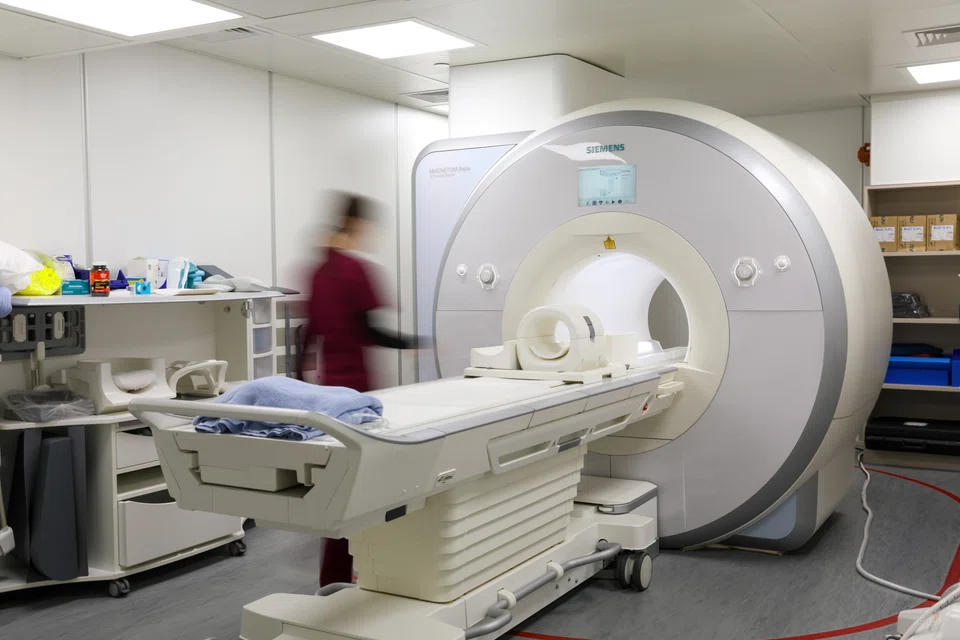
SINGAPORE’S position as the go-to medical hub in South-east Asia is under threat, amid a strong Singapore dollar and regional peers catching up in terms of quality care and scope of services.
To overcome this challenge, local healthcare players have been zeroing in on serving complex cases to attract higher-paying foreign patients.
At the same time, some believe that expanding their operations overseas may be the better bet, as they aim to capture larger markets that have more need for quality healthcare.
Tay Wee Kuang, analyst at CGS International, said that while exact numbers are not available, conversations with local operators place the share of pre-Covid revenue from foreign patients at 25 to 30 per cent.
“Since (the pandemic ended), this has fallen to 20 to 25 per cent,” he said.
A RHB report placed Singapore’s medical tourism revenue for 2023 at around US$250 million to US$270 million. This is lower than its estimation for peers such as Thailand – US$850 million – and Malaysia at US$444 million.
RHB’s analysts said: “As the strong Singapore dollar has made Singapore a less attractive medical tourism destination, we see Thailand and Malaysia benefiting from the shifting of interest from medical tourists seeking value-for-money quality healthcare services.”
With the strength of the Singapore dollar, the country’s star has somewhat dimmed.
This is especially the case as other countries are doubling down on medical tourism with incentives, which is directing patient flows towards cheaper markets, players noted.
One provider, Singapore Medical Group, has already seen the movement of foreign patients from Singapore to other medical hubs.
Singapore Medical Group’s chief executive Beng Teck Liang told The Business Times that the number of patients from Vietnam, where it gets more than half of its non-local customers, has dropped by around 15 to 20 per cent since January 2024.
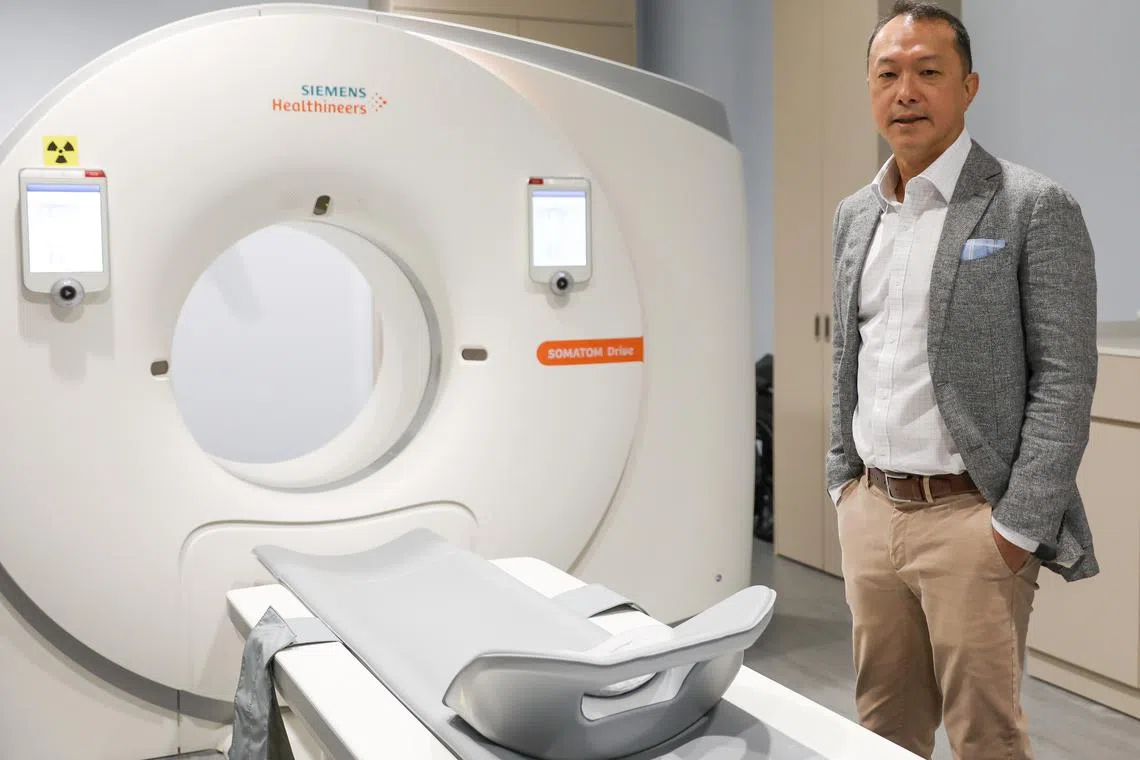
“We get our biggest block of medical tourism from Vietnam and (with) how much the Vietnam dong has weakened against the Singapore dollar, it’s definitely affecting our numbers,” he said.
About 30 per cent of Singapore Medical Group’s patients are foreigners, although the proportion changes based on the medical discipline, he added.
The group has a network of more than 45 owned and associated clinics covering more than 25 medical specialities.
A Healthway Medical spokesperson likewise said that their group has observed regional patients increasingly seeking healthcare in neighbouring countries due to the strong Singapore dollar.
Meanwhile, for integrated healthcare player IHH Healthcare , the proportion of revenue from medical tourists in their Singapore operations is still largely consistent with the previous years.
IHH Healthcare group chief executive Prem Nair said that as at the third quarter of 2024, medical tourism accounted for 18 per cent of IHH Healthcare Singapore’s top line. The integrated healthcare provider reported revenue of RM4.7 billion (S$1.4 billion) for the period for its Singapore hospital and healthcare segment, 12.8 per cent higher than RM4.1 billion the year before.
This is close to the average of 17 per cent that medical tourism made up in IHH Healthcare Singapore’s revenue between 2019 and 2023, even through Covid-19, he said.
In comparison to the largely unchanged Singapore, IHH Healthcare’s home market of Malaysia is seeing an uptick in revenue from medical tourists.
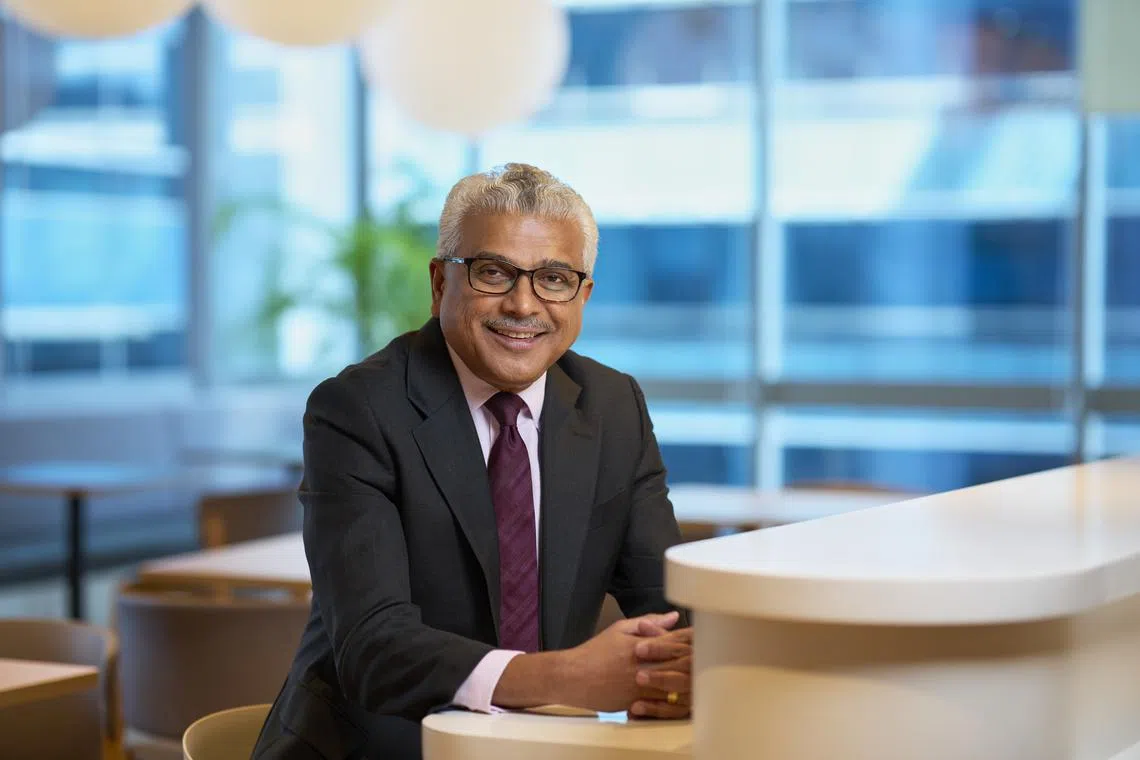
Dr Nair said foreign patients account for 7 per cent of IHH Healthcare Malaysia’s top line as at Q3 FY2024, higher than the average of 3 per cent of revenue from these patients between 2019 and 2023.
Insurance driver
Insurers have also played a part in the move, with some plans appearing to encourage moves into cheaper markets.
HMI Medical’s group chief executive Chin Wei Jia said regional insurance plans, which offer targeted healthcare coverage within specific geographic boundaries, “strategically incentivise” patients to seek medical treatments in more cost-efficient destinations.
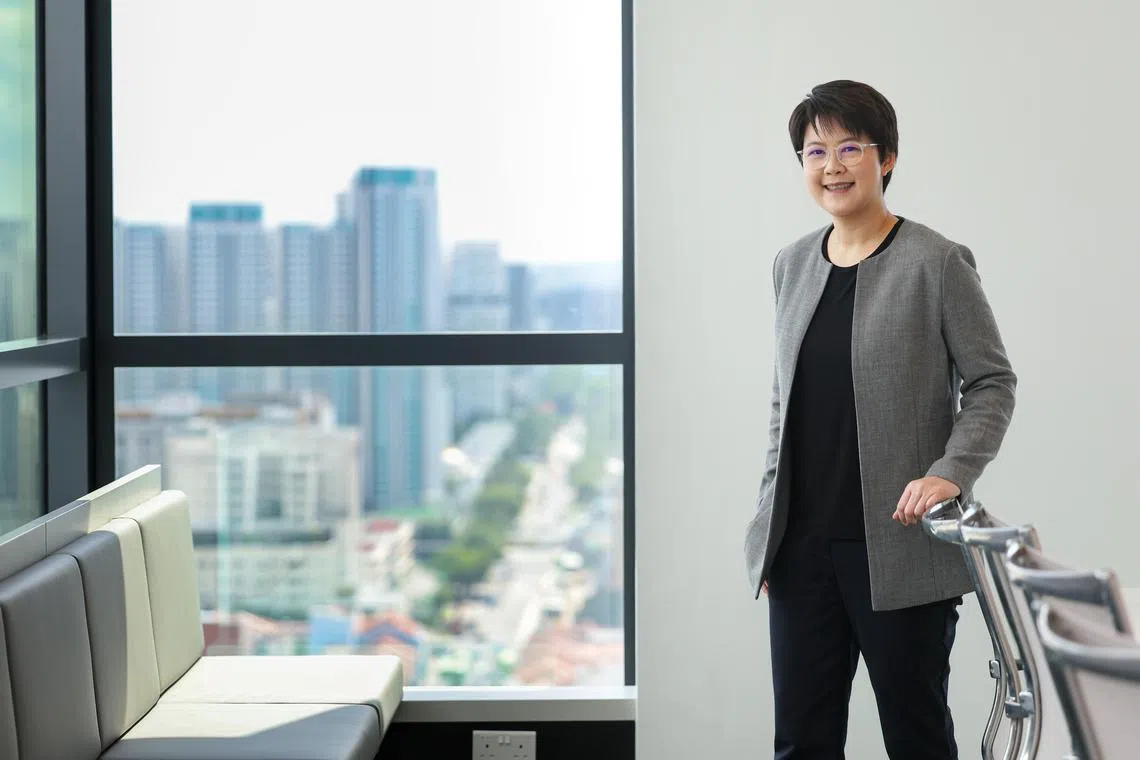
“While high-net-worth segments continue to view Singapore as a medical excellence hub with a trusted brand, there’s an emerging pattern of increased price sensitivity, more selectiveness around sub-speciality expertise, and value-based healthcare choices,” she said.
Regional moves
Alongside currency concerns, regional peers have been wooing medical tourists aggressively.
Malaysia’s Malaysian Healthcare Travel Council has positioned the country as a strong competitor to Singapore, offering resources to its local healthcare companies in a bid to attract foreign patients.
Similarly, Thailand’s government relaxed medical visa regulations in 2023 to make healthcare more accessible for international patients – for example, foreign patients can apply for a one-year visa for medical treatment, with multiple re-entry permits.
CGS International’s Tay noted: “Malaysia has been catching up to Singapore and Thailand in terms of quality of care and improvement to infrastructure, while keeping costs lower.”
Malaysia, in particular, is likely to also eat into the share of medical tourists that used to come to Singapore, as those travelling to Malaysia are mostly Indonesian – a key source of foreign patients in Singapore.
Singapore pivots to complex healthcare
While rival regional hubs have emerged, industry observers believe Singapore still has what it takes to remain at the top – largely by taking on complicated treatment and surgeries.
This is because Singapore has a strong reputation for “world-class medical facilities and expertise”, said Eric Ong, an analyst at Maybank Securities Singapore. He listed conditions such as cancer, cardiovascular diseases and neurological disorders as those requiring advanced treatments.
Thomson Medical ’s group chief executive Melvin Heng said several of Singapore’s medical facilities are accredited by the Joint Commission International, a United States-based non-profit that recognises reliable healthcare expertise.
This shows that the facilities are advanced and can treat several conditions, attracting a growing cadre of patients needing more complex care. Medical tourists currently amount to about 10 per cent of Thomson Medical’s patients in Singapore.
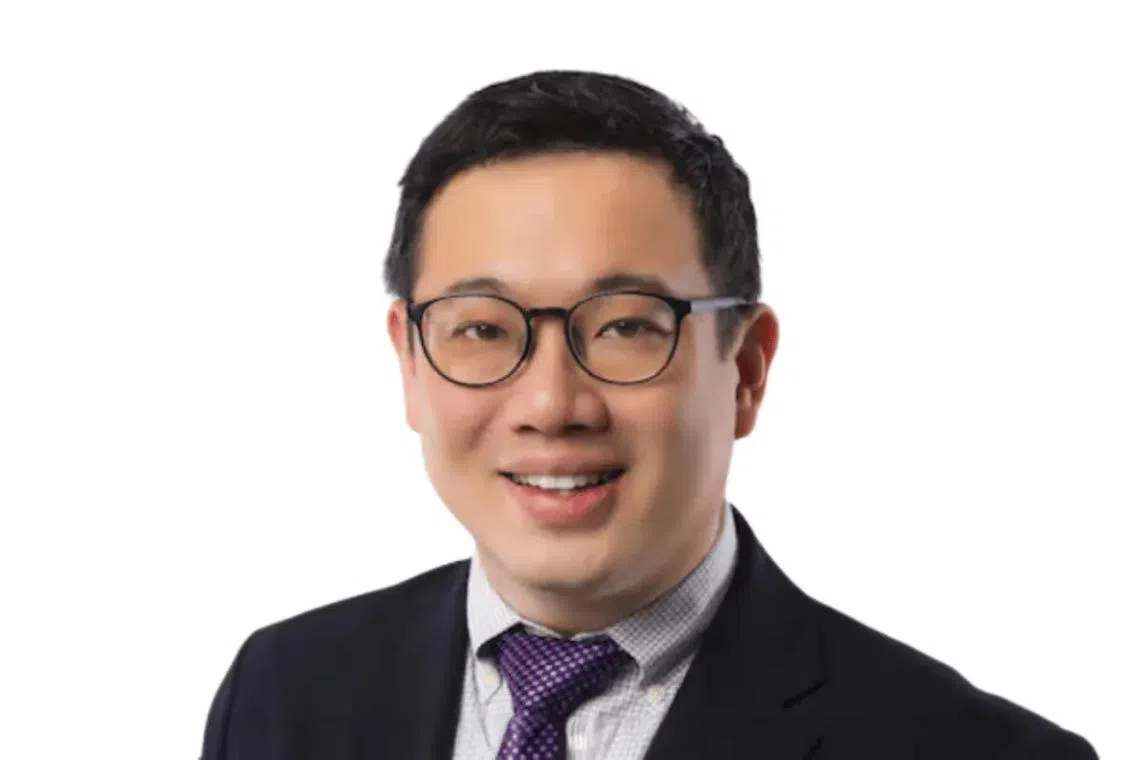
He added that Thomson Medical typically attracts couples seeking fertility support, but have been expanding its medical specialities to give patients access to a range of complex treatments centred about the healthcare needs of the family.
“We anticipate that Thomson Medical will continue to be attractive to overseas patients as a one-stop healthcare expert for the family,” he said.
Another player, specialist group Foundation Healthcare, leverages the expertise of its doctors to draw patients. Its chief executive Liaw Yit Ming said its specialists are regularly engaged by Singapore-based medical device companies to use new products and technology, and often act as trainers for overseas doctors.
“This encourages doctors across the region to refer their patients to our specialists in Singapore for more complex surgeries,” he said. Foundation’s network includes 62 clinics and two medical centres.
IHH Healthcare Singapore has been investing in new technologies and services to “offer patients wider options and improved treatment outcomes”, said Dr Nair. These include proton therapy, robotic surgery, artificial intelligence-assisted care and other precision medicine treatments.
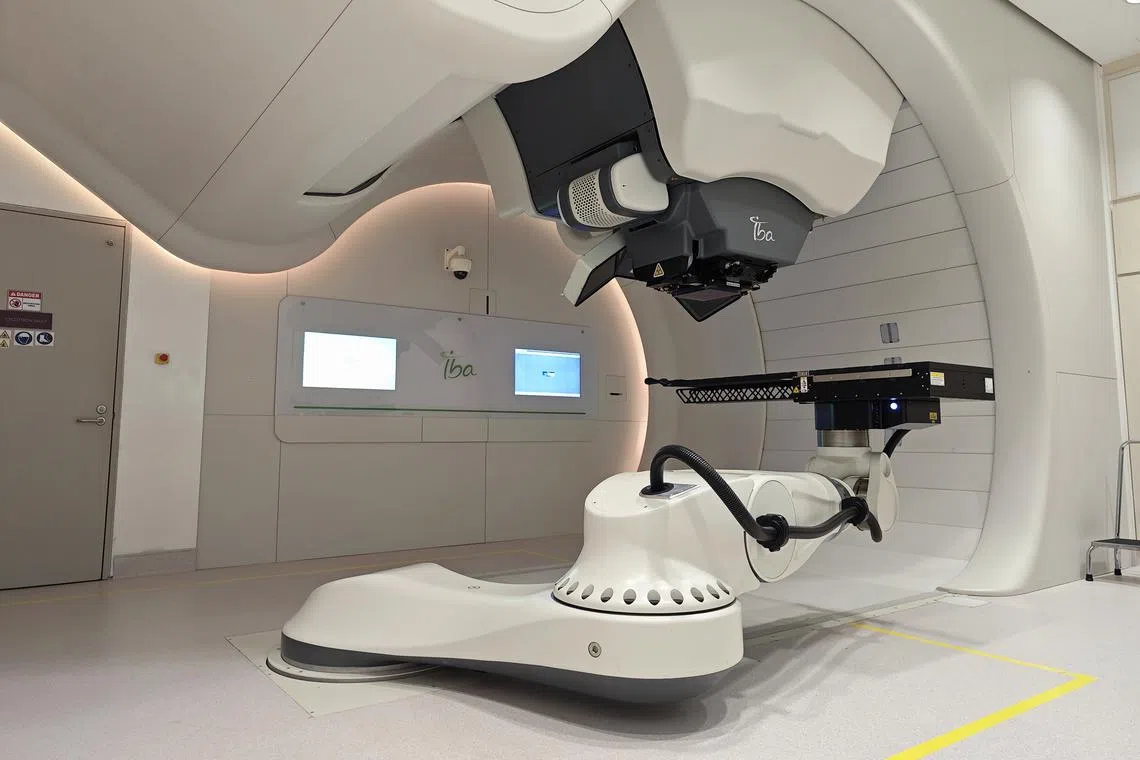
In May 2023, the group opened its proton therapy centre in Mount Elizabeth Novena Hospital for specialised cancer care. Within a year, it had treated more than 100 foreign and local patients.
EHL Hospitality Business School Assistant Professor Guy Llewellyn said that to differentiate itself from its peers, Singapore has to continue positioning itself as the destination for luxury medical tourism, promoting high-end facilities and doctors.
That said, Dr Llewellyn believes Singapore will continue to be the top medical tourism destination in Asia “for the foreseeable future”.
Singapore players eye greener pastures?
Some healthcare providers are making forays into overseas markets to mitigate the lower volumes of incoming patients.
Singapore Medical Group in 2017 established a presence in Vietnam by investing through a joint venture in CityClinic Asia, which runs primary care clinic chain CarePlus. The country was then already a large source of foreign patients for Singapore Medical Group, said Dr Beng.
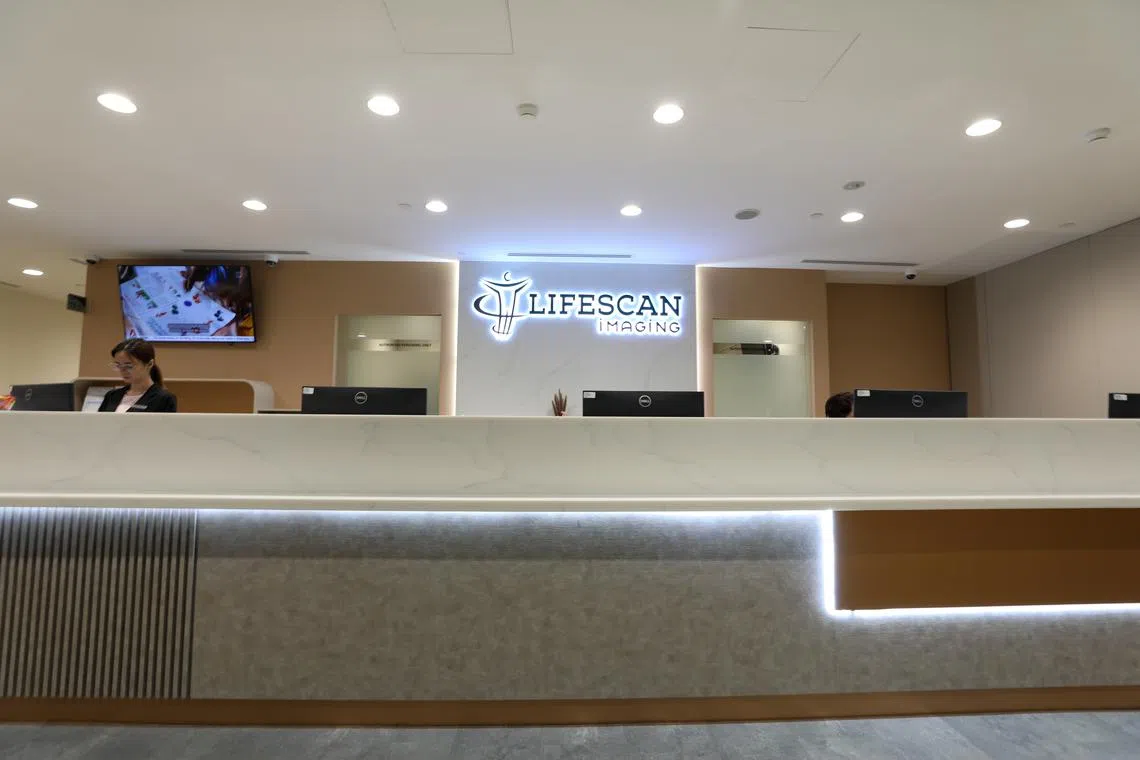
CarePlus provides health screening, examination and diagnostic imaging services in partnership with Singapore Medical Group’s Lifescan centres. These Vietnam centres are connected to the group’s Singapore operations, enabling doctors here to provide diagnostics overseas, he said.
Thomson Medical also recently entered Vietnam through the acquisition of FV Hospital’s owner Far East Medical Vietnam. This comes as Vietnam’s “momentum has picked up”, combined with the country’s investments into healthcare infrastructure, said Dr Heng.
Other Singapore players have similarly moved to markets outside the island. Healthway Medical said it recently acquired a dental chain in Indonesia. HMI has several facilities in Malaysia. IHH Healthcare, too, has operations in places besides Singapore and Malaysia, such as India and Turkey.
In Singapore Medical Group’s case, the push into Vietnam was part of a longer-term plan to find new growth avenues when medical tourism eventually tapered off.
Dr Beng said the company was “very clear” that medical tourism in Singapore was “never going to last forever”.
“We knew that it would be a matter of time before the (other regions) caught up in terms of technology and capabilities,” he added.
That said, healthcare players as a whole continue to be positive on Singapore’s ability to attract medical tourists – not only through traditional healthcare but also new related fields, such as wellness tourism.
In May 2024, Minister for Sustainability and the Environment Grace Fu said the government wants to “position Singapore as an urban wellness haven” amid rising demand for more restorative and wellness-related experiences. An upcoming attraction in this area in Marina South is currently on the cards.
Said Thomson Medical’s Dr Heng: “Rising costs and market saturation continue to be key challenges for the medical tourism scene in Singapore. However, these are challenges that every market faces to different degrees.
“Looking ahead, the different medical tourism hubs will come to be known over time for different niche areas, with Singapore doubling down on more complex care.”
Read more stories in BT’s Asia Health Haven series
Coming up next week: Malaysia
TRENDING NOW

Britain’s mansion tax shows the difficulty of targeting wealth

Once staunchly pro-China, Malaysian Chinese businesses are now distancing themselves from Beijing

The only common thing in S-E Asia is that we all eat rice: Cisco’s Asean president
Singapore data centre operator DayOne opts for US IPO at likely US$20 billion valuation

