Strong US$ brings cheer to Americans on holiday in Europe
New York
OF the many wonders to behold in Greece, Matt Derr has found a gem: local wine at US$3 a glass.
During a nine-day getaway to the land of the gods, he's sampled Greek salads and grilled meats for as little as US$7 a plate and learned how to pick the freshest fish for dinner. As a foreign-exchange strategist at Credit Suisse Group AG in New York, Mr Derr has been tracking the dollar's 19 per cent gain against the euro over the past year. That hasn't stopped him from being pleasantly surprised by how far his dollars stretch.
"It's been all about the seafood," Mr Derr said on Wednesday from the island of Crete, after stops in Athens, the birthplace of democracy, and Santorini, famed for its sunsets. "The biggest benefit I see is just how cheap wine and food more broadly is - as well as the tipping."
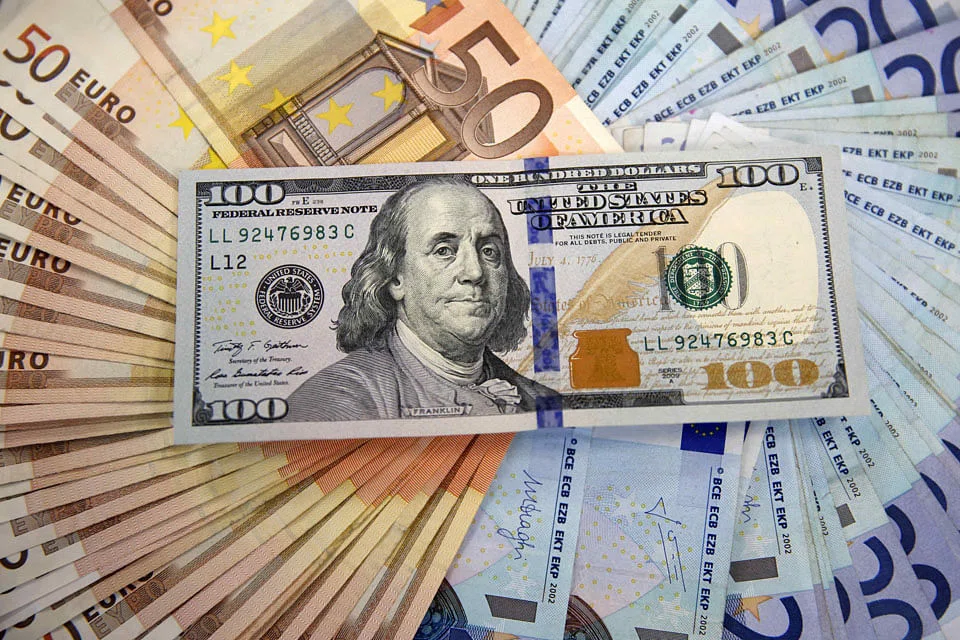
Americans are getting more bang - or 90 euro cents (S$1.33) - for their buck when travelling in the shared currency's 19 member nations. Mr Derr follows an influx of tourists flocking to Greece, where US visitor arrivals jumped 25 per cent to 23,200 in January and February, according to data from the Bank of Greece.
The dollar has advanced against all of its 16 major counterparts since July, bolstered by a stronger economy and the prospect of the US Federal Reserve raising interest rates for the first time in almost a decade. At the same time, the euro has been debased by the European Central Bank's unprecedented stimulus plan.
The dollar has risen to US$1.11 per euro from US$1.37 in July. While the greenback has slipped 6 per cent since mid-March, its broader gain is a boon to Americans making a transatlantic voyage - and analysts see the exchange rate getting even more favourable through next year, forecasting a euro drop to US$1.07.
Michael DuCharme, head of currency strategy at Russell Investments Group in Seattle, and his wife travelled to Rome and Italy's Amalfi coast last month, where they marvelled at the towering columns of the Colosseum and the intricate tile mosaics in the ancient ruins of Pompeii.
The couple found bargains everywhere: a reasonably-priced hotel near the ruins of the ancient forum, affordable leather goods for their children and, of course, cheap pizza and pasta.
"I was just stunned at the prices in euros," Mr DuCharme said on Wednesday. "We would just look at each other and shake our heads and say 'this is so much cheaper than back home'."
He's already eyeing another trip, next time to Normandy in France. "If you're going to go to Europe, now's the time to go," Mr DuCharme said.
The mightier dollar means US residents are travelling abroad in bigger numbers and spending more when they arrive, said David Huether, senior vice-president of research at the US Travel Association, an industry group in Washington.
"The Americans I meet keep things easy by simply thinking of one euro as one dollar," Rick Steves, author of more than 50 European travel books, said from Rome. "At dinner, that makes a bottle of fine wine rather than a carafe of house wine suddenly much more affordable," said Mr Steves, who also hosts travel shows on public television and radio.
Europe is the third-most popular region for US citizens heading abroad after Mexico and Canada, accounting for 17 per cent of traffic in 2014, Commerce Department data show. The number of American trips to Europe rose 4.2 per cent to 840,187 in March versus a year earlier.
That's helping to provide an infusion of cash into Europe's economy. The region's tourism earnings rose to US$509 billion in 2014, up 3 per cent from the previous year, according to the United Nations World Tourism Organization. Bloomberg