Struggling Xiaomi bets on smart rice cookers
Beyond smartphones, the unicorn is investing in hardware startups and selling various devices
New York
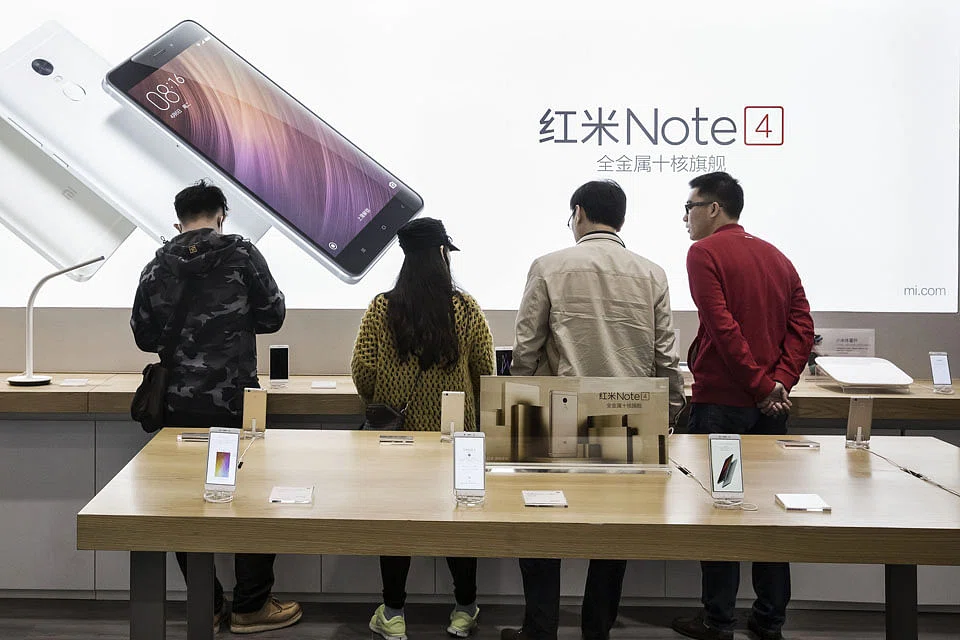
ON a recent afternoon in northern Beijing, Chinese 20-somethings lean over a long blond-wood table in a retail store, examining colourful smartphones and fitness bands. The white walls and spare space recall an Apple Store, but on display is a wider, and more curious, range of products: "smart" rice-cookers, hoverboards, robot vacuum cleaners, bathroom scales and air purifiers. A tall salesman in a bright blue T-shirt says they are planning to soon cordon off an area to demo Xiaomi drones.
The brightly lit store is one of 36 locations across Greater China operated by Xiaomi Corp, a Beijing-based smartphone-maker that has been frequently touted as the "Apple of China". But Xiaomi has a very different strategy: Instead of meticulously designing products in-house, guided by the technical and aesthetic vision of a Steve Jobs-like figure, Xiaomi is investing in dozens of Chinese hardware startups, branding the devices with the Xiaomi label, and selling them in stores and through its website.
The gadgets can be operated from a Xiaomi smartphone - a classic Internet of Things play - and are typically priced near the low range of competing products. The rice cooker costs about US$150, more expensive than traditional electronic cookers, but far below top-end products from Philips and Toshiba, which can run to US$450. The Mi Band 2 fitness- tracker costs US$22, about a fifth the price of Fitbit Alta.
The strategy is familiar enough: hook customers on an operating system - MIUI, a heavily customised version of Android - so they'll stay loyal to the brand and keep buying more products. Liu De, who runs Xiaomi's new ecosystems products division, says the business will pull in 10 billion yuan (S$2.1 billion) this year - splitting profits with Xiaomi's hardware partners - and double that in 2017. He accepts that this is a "very ambitious goal".
Xiaomi badly needs a second act. A couple of years ago, the company was China's top smartphone seller and for a time the world's largest unicorn - a startup company valued at over US$1 billion - after Uber. But its dominance has proved fleeting because consumers have moved upmarket. "They want to get more premium phones and are willing to pay more," says Jessie Ding, a China market analyst at Canalys. "However, Xiaomi's specs have not changed much over past two years." Meanwhile, competition from domestic phone makers has intensified, knocking Xiaomi into fourth place.
The company is trying to claw its way back. Led by the vice-president of Global Operations, Hugo Barra, Xiaomi is pushing into other developing markets. India is a particular focus because, like China five years ago, most consumers want value for money, says Tarun Pathak, a market analyst at Counterpoint Research. But he says it won't be long before Indians, too, will want better phones. Later this month, Xiaomi will launch a premium smartphone with a screen that curves around the side like a Samsung Edge, according to people familiar with the plan. A smart watch is also expected to debut later this year.
If the new phone doesn't jumpstart sales, Xiaomi's growth prospects may rest with Mr Liu and his ecosystems division. To date, Mr Liu says his team has invested in more than 60 startups, largely founded in the last three years, and remains a minority shareholder in most of them. Xiaomi also offers input on product design and marketing. "We target big markets, big demands," he says, explaining that the aim is to maintain a steady pace of innovation so consumers will want to replace or upgrade every few years.
Chief among the startups is Huami, the fitness band maker, which was founded in 2014 by serial entrepreneur Wang Huang. It has raised money from Sequoia, Morningside Venture and Banyan Capital. Headquartered in Beijing, the company also has a Silicon Valley engineering office and more than 300 employees. In the US, it has launched the pricier Amazfit fitness tracker. It resembles a wristwatch adorned with a jade pendant-like sensor - evoking traditional Chinese jade jewellery - while tracking steps and calculating calories burned. Huami declined to comment.
To date, Huami is the most obviously successful device company in which Xiaomi holds a minority stake. Huami's Mi is the top-selling fitness band in China, according to Canalys, and No 2 globally after Fitbit. However, Ms Ding says, supply-chain hiccups hurt Mi band shipments earlier this year and it will take time for Xiaomi to get its other startup partners shipping products reliably.
What's more, they've yet to deliver many appealing hardware innovations, according to IDC analyst Jean Xiao. She says Xiaomi's drone didn't offer any more features than market leader DJI's model. "Then DJI lowered its price, so it was actually cheaper than Xiaomi."
Don't count Xiaomi out, Mr Liu says. The company isn't aiming to compete at the high-end with DJI or anyone else. "Our primary goal remains to serve the growing middle class in China." BLOOMBERG