

The summer that would save Agrokor from decay may never come
Washington
THE annual invasion of tourists was supposed to offer a financial reprieve for the biggest retailer in scenic Croatia. Instead, this summer is shaping up as another source of grief in Agrokor's spiralling crisis, which has threatened economies across the Balkans.
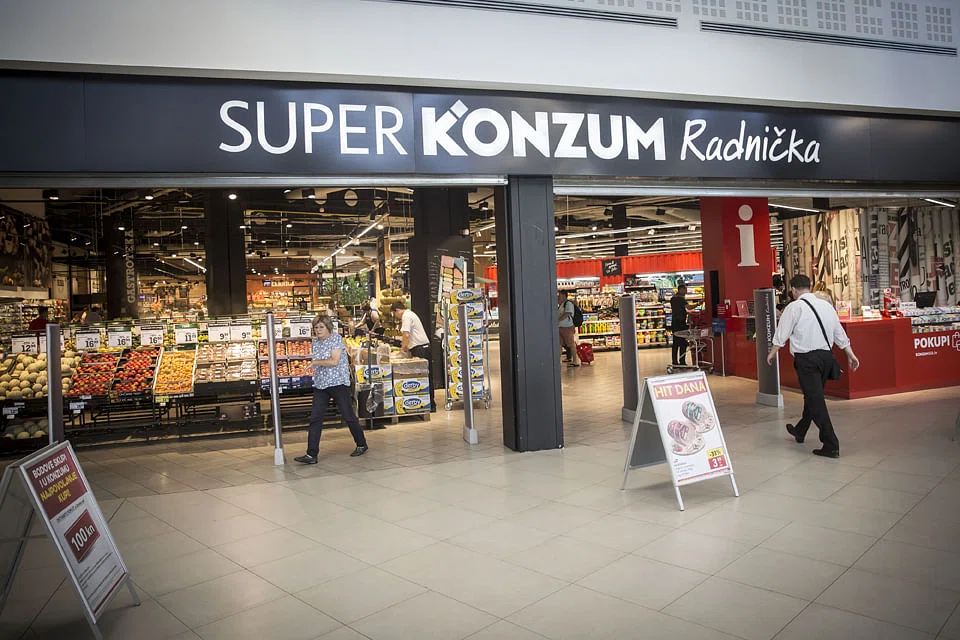
Agrokor needs the millions of foreigners who flock to Croatian resorts each year to spend money at its Konzum grocery stores, the group's biggest source of cash. Yet, even locals are abandoning the outlets, taking their business to competitors like Lidl, which in the past decade has built itself into a major force in the former Yugoslav country.
"I used to shop at Konzum, but now I find Lidl products to be better and cheaper," said Nebojsa Kovacevic, a plumber, before jumping on his Suzuki motorcycle and zipping toward the Lidl on the other side of a parking lot on the scrubby hills on the resort island of Krk.
His choice is emblematic of the peril facing Agrokor, once the mightiest conglomerate in the western Balkans that's now facing oblivion.
If it was the arrival of rivals such as Lidl that undercut the company's finances in the first place, Agrokor's messy implosion this year has also been a turn-off for shoppers. Konzum's sales dropped 11 per cent in the first five months from a year earlier, helping accelerate a skid that cut the value of Agrokor bonds more than 80 per cent.
The performance of Konzum stores this summer will be paramount as Agrokor enters a crucial stretch of restructuring.
For years, the chain was the main grocery destination for millions of tourists on the 5,800-kilometre coastline of Croatia's archipelago every summer, giving the parent company a robust pipeline of cash.
Now, stronger competition and bad publicity are driving customers away, while the company's ability to respond is limited as a government appointee runs the overhaul and the demands of out-of-cash creditors and suppliers take precedence.
While putting a number on the problems has been complicated by Agrokor's admission that its past financial accounts are unreliable, retail brings in the vast majority of revenue, Konzum being the key brand. As Agrokor is getting by on emergency loans during its state-managed restructuring, it can't afford to lose customers. Supply-chain difficulties could leave it especially vulnerable in the peak tourist season, though the issues are far wider, said Goranko Fizulic, a former economy minister now working as an analyst.
"Konzum can't maintain its retail model, because this model is under siege," Mr Fizulic explained. "With its high business margin, its rent costs and the number of employees, Konzum can't compete with Lidl and others and it won't be able to keep its market share. This competition is even harder in summer months, when foreign tourists will buy at the stores they are familiar with."
Ante Ramljak, Agrokor's government-appointed commissioner, acknowledged that the conglomerate will probably no longer exist in its current form once the 15-month state administration ends.
The Agrokor parent will be liquidated and its three segments - retail, food and non-core - sold to finance payments to bond holders sitting on near-worthless debt, banks and suppliers, Mr Ramljak said in a June 13 interview in the boardroom once commanded by founder Ivica Todoric.
In its bid to muster support from more creditors for its restructuring plans, Agrokor extended a deadline for participation in its 530 million euro (S$835 million) loan, according to people familiar with the matter who asked not to be identified because the talks are private. The original deadline expired on Friday.
At Agrokor's 21-storey glass and steel headquarters in Zagreb, an entire floor is dedicated to the task of dealing with creditors' claim demands for credit.
In the meantime, the transformation is already under way. Konzum will close as many as 100 of its roughly 700 outlets in Croatia, chief executive officer Slavko Ledic said on June 21, according to the news website Dnevnik.hr. The retailer is adjusting its supply chain and will honour contracts, Mr Ledic added, insisting that stores remain well-stocked. WP






