

Transportation woes expected to send coffee prices up
Coffee processors and smaller roasters say they may have to pass on the higher shipping costs to consumers
 Add BT as a preferred source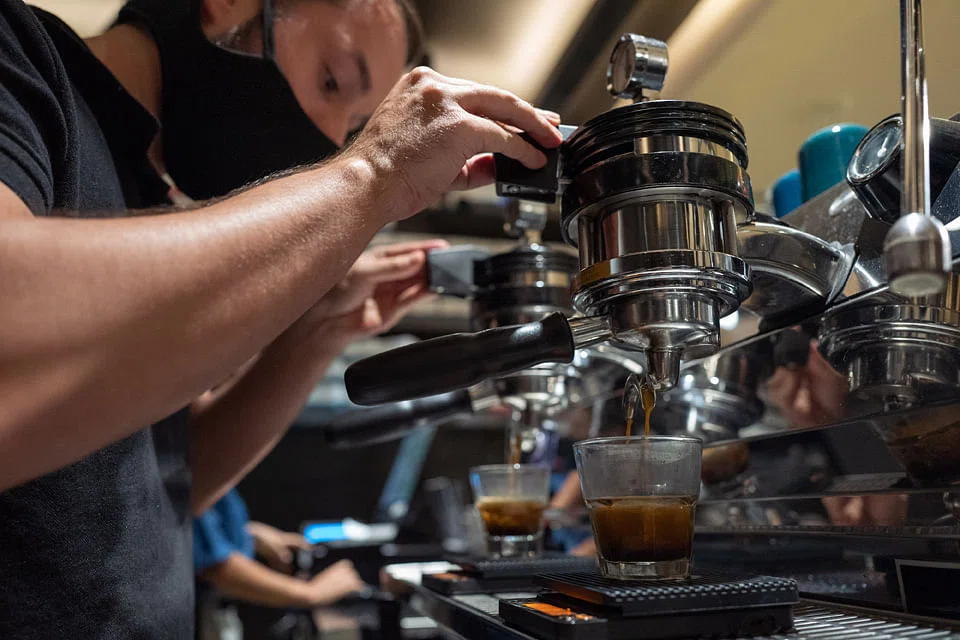
DeeperDive is a beta AI feature. Refer to full articles for the facts.
Bengaluru
COFFEE processors in the United States, the world's largest consumer of the beverage, are reporting significant cost increases in their operations, mostly related to transportation. They expect to raise retail prices soon.
Mid-sized and smaller roasters, particularly specialty coffee companies, have been hit hardest, company executives said, but even larger companies such as Peet's and J. M. Smucker Co say they are coping with higher costs.
Other US business sectors also face shipping inflation. Market intelligence provider S&P Global Platts reported that freight may have added nearly US$10 billion to corporate costs on US in-bound routes in the fourth quarter of 2020, a bill that could grow.
Last week, transportation backlogs helped push coffee prices to their highest in more than a year.
Oliver Stormshak, chief executive at Olympia Coffee Roasting, based in Olympia, Washington, said: "We're currently signing contracts for delivery in the summer and fall, and those prices have gone up quite a bit, about 15 per cent increases on everything.
Navigate Asia in
a new global order
Get the insights delivered to your inbox.
"I'm trying to decide right now whether we eat the costs or restructure our pricing and raise it."
Coffee executives said higher demand for shipping services as more consumers shop online and extra safety procedures during the pandemic are increasing costs in the United States.
"There are supply constraints, not because of production, but simply hurdles brought upon us by Covid-19 and safety guidelines. It is a systemic issue," said Jorge Cuevas, an executive at Sustainable Harvest Coffee Importers in Portland, Oregon.
"It is now more expensive than in the last five to 10 years to bring coffee to the consumer," he said.
Coffee companies also said costs of trans-oceanic shipping are rising due to imbalances in the flow of containers caused by the pandemic. On some routes, demand for containers is increasing, while others are less-travelled, causing an uneven flow and raising costs.
Rabobank's analyst Carlos Mera, noting that routes from South-east Asia to Europe and the United States cost more because of container shortages, said: "The container cost is a major issue in the coffee market. Even if you are willing to pay, you may not find availability."
Commodities such as coffee, cocoa, cotton and refined sugar are usually transported in containers; others such as soybeans, corn and raw sugar use bulk carriers.
Roasters reported delays for receiving coffees from Africa and some South American nations.
Lee Harrison, a senior director at New York-based Joe Coffee Company, said one coffee cargo from Burundi scheduled to arrive at the start of the year will do so only in March. He said he would likely substitute that origin.
J. M. Smucker, owner of brands such as Folgers and Dunkin, said in a statement: "Like others in the industry, we have experienced some recent coffee supply chain challenges."
Large coffee companies boosted stocks last year as a precaution during the pandemic.
Eric Lauterbach, president and chief operating officer at Peet's (which has had shipping issues in the United States and Asia), said: "We are not worried about supplies, as we have good inventory positions."
Starbucks, the largest US coffee retailer, did not respond to a request for comment. REUTERS
Decoding Asia newsletter: your guide to navigating Asia in a new global order. Sign up here to get Decoding Asia newsletter. Delivered to your inbox. Free.
Share with us your feedback on BT's products and services
TRENDING NOW
Autobahn Rent A Car directors declared bankrupt over S$50 million each owed to DBS

Higher costs, lower returns: Why are Singaporeans still betting on real estate?

Richard Eu on how core values, customers keep Singapore’s TCM chain Eu Yan Sang relevant
Loyang Valley sold for S$880 million to SingHaiyi-led consortium

