

UK consumer industries warn curbing energy support will hit demand
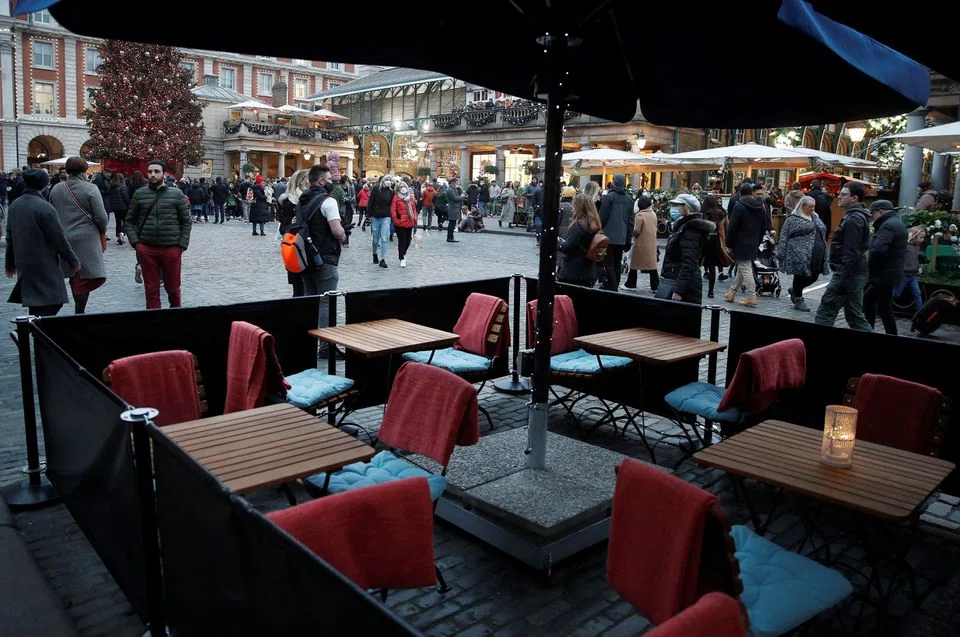
THE mood among Britain’s beleaguered retail and hospitality industries darkened on Monday (Oct 17) on fears new finance minister Jeremy Hunt’s move to rein in a vast energy subsidy plan and reverse planned tax cuts would further dent demand.
A two-year energy support scheme for households and businesses, expected to cost more than £100 billion (S$161.8 billion), will now end in April and be replaced by a more targeted scheme that will “cost the taxpayer significantly less than planned”, Hunt said.
That move, a decision to reverse an income tax cut planned from April 2023 and an expectation that interest rates will rise further, exacerbated worries about consumer demand in Britain, where confidence levels are already at record lows.
“If energy prices remain anywhere near where they are now then expect carnage in household and business finances from spring next year,” Shore Capital analyst Clive Black said.
UKHospitality, which represents over 730 companies operating around 85,000 venues, said the hospitality sector had been devastated by the energy crisis.
“It’s essential that the government continues to work closely with the sector as part of its review into (energy) support post-April 2023,” CEO Kate Nicholls said.
She again called for urgent reform of Britain’s “not fit for purpose” business rates system.
Michael Kill, CEO of the Night Time Industries Association, said Hunt’s statement has “critically compromised thousands of businesses and workers across our sector.”
He said his industry was now “facing one of the toughest winters in history.”
The British Beer and Pub Association criticised Hunt’s reversal of an alcohol duty freeze as “a huge blow”.
“It would have delivered a 300 million pound saving when we desperately need any relief we can get,” it said on Twitter.
Hunt was also criticised for reversing a decision by his predecessor Kwasi Kwarteng to bring back sales tax (VAT) free shopping for overseas visitors.
Paul Barnes, CEO of the Association of International Retail, called it a “hammer blow” to UK tourism and the British high street.
“This short-sighted move is based on inaccurate and incomplete projections, and risks putting a brake on the return of international visitors who are vital drivers of economic growth throughout the UK,” he said.
The British Retail Consortium (BRC) also said it was disappointed by the move.
“This decision leaves the UK as one of the only European countries not to provide a tax-free shopping scheme to encourage tourism,” Tom Ironside, the BRC’s director of business & regulation said.
Britain’s manufacturers association said business was still in shock at the past month’s political and markets turmoil, with a long road to recovery ahead to restore the country’s political and economic credibility.
“If government is really serious about boosting growth at national and regional level, given the scale of the economic challenges we face, it is more vital than ever it works with business on a long-term plan for the economy,” Stephen Phipson, chief executive of Make UK, said. REUTERS
Decoding Asia newsletter: your guide to navigating Asia in a new global order. Sign up here to get Decoding Asia newsletter. Delivered to your inbox. Free.
Share with us your feedback on BT's products and services
TRENDING NOW

First Resources blames El Nino, outside fires for Kalimantan hotspots amid haze scrutiny

High Court rules against Julius Baer’s Singapore trust arm in US$50 million family trust dispute
Singapore key exports jump by higher-than-expected 68.4% in September, led by non-electronics
MSCI proposes downgrading Indonesia to standalone market status

