

Unilever in talks to separate food business and combine it with McCormick: WSJ
It has sold off other food assets over the last decade
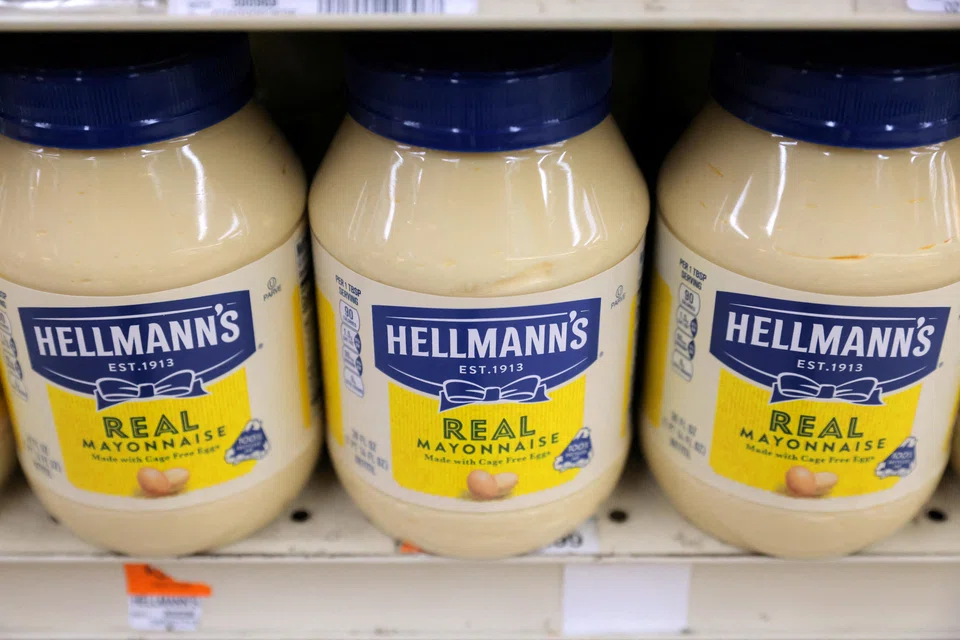
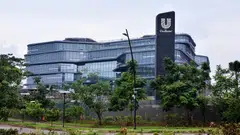
UNILEVER, the maker of Hellmann’s mayonnaise, is in talks to sell its food business to McCormick & Co, according to a person familiar with the matter.
A deal between the Anglo-Dutch consumer goods company and the Maryland-based spices and seasonings maker could come together by the end of the month, said the person, who asked not to be identified because the information was private.
The person said the transaction would be structured as a so-called Reverse Morris Trust, a type of merger that’s designed to be tax-free.
Bloomberg News reported earlier this week that Unilever was considering spinning off its food business.
A transaction would likely value the Unilever food brands at tens of billions of dollars, people familiar with the matter said. The Wall Street Journal reported on Thursday that Unilever was in talks with McCormick.
The companies haven’t reached an agreement on a transaction and talks could still end without one. Representatives for Unilever and McCormick didn’t immediately respond to requests for comment on the talks.
A sale would be part of a Unilever pivot toward health and beauty products. Its brands include Dove, Vaseline and Nexxus, among many others.
Unilever has over the last decade sold off other food assets including its global spreads division, which included I Can’t Believe It’s Not Butter!, and more recently snack brand Graze and fake-meat maker The Vegetarian Butcher.
Major food companies like Unilever and rival Nestlé SA are struggling to drive growth as cash-strapped consumers rein in spending and turn to cheaper store brands. The increasing popularity of GLP-1 weight-loss drugs is also a threat as buyers eat less overall or opt for less calorie-dense products.

Beauty, on the other hand, has been an important growth market for multinationals, as younger and older consumers alike spend on everything from multistep skin-care routines to fragrance collections. BLOOMBERG
Decoding Asia newsletter: your guide to navigating Asia in a new global order. Sign up here to get Decoding Asia newsletter. Delivered to your inbox. Free.
Share with us your feedback on BT's products and services
TRENDING NOW

Two Singapore-listed palm oil firms named in Greenpeace report on Indonesian plantation fires

Singapore Airlines flight returns to San Francisco after ‘unruly’ passenger incident

Singapore looking into which companies responsible for haze-causing fires: PM Wong
Deluge IPO 3.86 times subscribed ahead of SGX debut

