

Universal Music turns dominant roster of stars into US$42b smash
 Add BT as a preferred source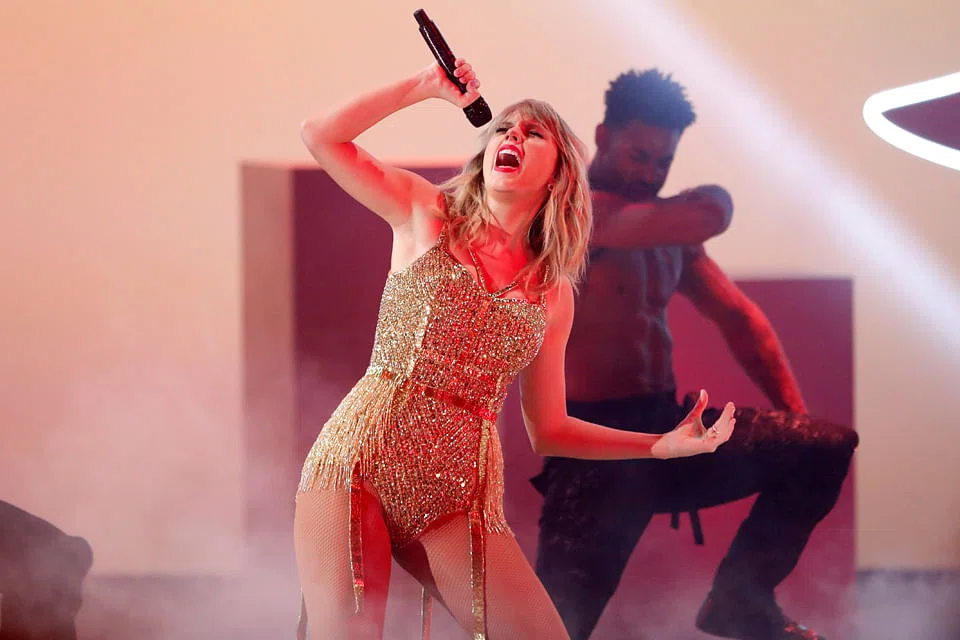
DeeperDive is a beta AI feature. Refer to full articles for the facts.
London
WHEN Universal Music Group (UMG) swooped in to buy the Beatles' record label EMI in 2011, the band's longtime producer George Martin called it the "worst thing that music has ever faced."
The move by UMG CEO Lucian Grainge was decried as big business conquering music's creative soul. The US$1.9 billion deal drew scorn from other labels and only cleared regulatory hurdles after a series of assets were sold.
In one sense, Mr Grainge's detractors were right to be concerned. UMG is now the world's unchallenged hit machine because it is so much bigger than rivals. While some artists have rebelled publicly against its control over their careers, more have joined its roster in the belief that it will give them the best chance of becoming a superstar.
Today, nearly half of the top 10 acts in Bloomberg's Pop Star Power Rankings are signed to UMG labels.
The formula has propelled UMG past its peers - and sent its valuation to new heights. Back in 2013, SoftBank Group tried to buy the business for US$8.5 billion. Compare that with a deal currently under discussion that would value UMG at about US$42 billion, including debt. And that price may actually undervalue the business, according to analysts at Citi.
Navigate Asia in
a new global order
Get the insights delivered to your inbox.
On June 4, parent company Vivendi said it was in talks to sell 10 per cent of UMG to a blank-cheque firm backed by billionaire Bill Ackman - a step toward the music company going public later this year.
Vivendi and UMG also talked to other potential investors in recent months, including private equity firm TPG, according to people familiar with the matter.
UMG has reached this point by overcoming two key challenges.
The first was the industry-wide slump brought on by consumers ditching CDs and getting their music from free download sites.
With streaming services such as Spotify enticing consumers to pay for music again, the industry has now seen sales climb for five straight years.
Under Mr Grainge, UMG has successfully fended off another threat: the rise of smaller companies trying to lure musicians by offering to distribute their work without taking control of their artistic lives.
UMG has responded by embracing the disruption and playing the new independents at their own game.
When Taylor Swift sparred with her record label over use of her master recordings, UMG offered her full creative control over her work. Mr Grainge even threw in an offer to hand proceeds from the sale of UMG's stake in Spotify to the label's artists.
Mr Grainge has succeeded in part by fostering competition among his sub-labels.
While rivals Sony Music Entertainment and Warner Music Group have only one or two big labels under the larger group, UMG consists of a number of key fiefdoms. Interscope is the home of Billie Eilish, Lady Gaga and Blackpink. Republic releases music from Ariana Grande, Drake and the Weeknd. Def Jam, meanwhile, has Justin Bieber, Kanye West and Rihanna.
Thanks to this talent empire, UMG accounted for nine of the 10 bestselling artists in the world last year, according to the International Federation of the Phonographic Industry.
UMG is now trying to get a bigger piece of the music market in Asia, where a growing middle class is spending more on streaming. According to data from Omdia, about half of the region is now an "addressable" market, meaning people will pay for a streaming service. That's expected to increase to two-thirds by 2030.
With growth slowing in big Western markets, UMG is focused on new regional music markets with a local repertoire. The company has also formed a record label venture with its new Chinese shareholder, Tencent.
UMG's scale is an asset during the globalisation of music. The company can quickly pick up emerging artists in one region and then promote them elsewhere. BLOOMBERG
Decoding Asia newsletter: your guide to navigating Asia in a new global order. Sign up here to get Decoding Asia newsletter. Delivered to your inbox. Free.
Share with us your feedback on BT's products and services
TRENDING NOW

Shelving S$5 billion office redevelopment plan proved ‘wise’ as geopolitical risks mount: OCBC chairman
OCBC is said to emerge as lead bidder for HSBC Indonesia assets

Middle East-linked energy supply shocks put Asean Power Grid back in focus

Eurokars Group introduces rental car franchises Enterprise Rent-A-Car, National Car Rental, and Alamo to Singapore

