

US$940b food-waste problem has Walmart, Impossible Foods pledging to help
 Add BT as a preferred source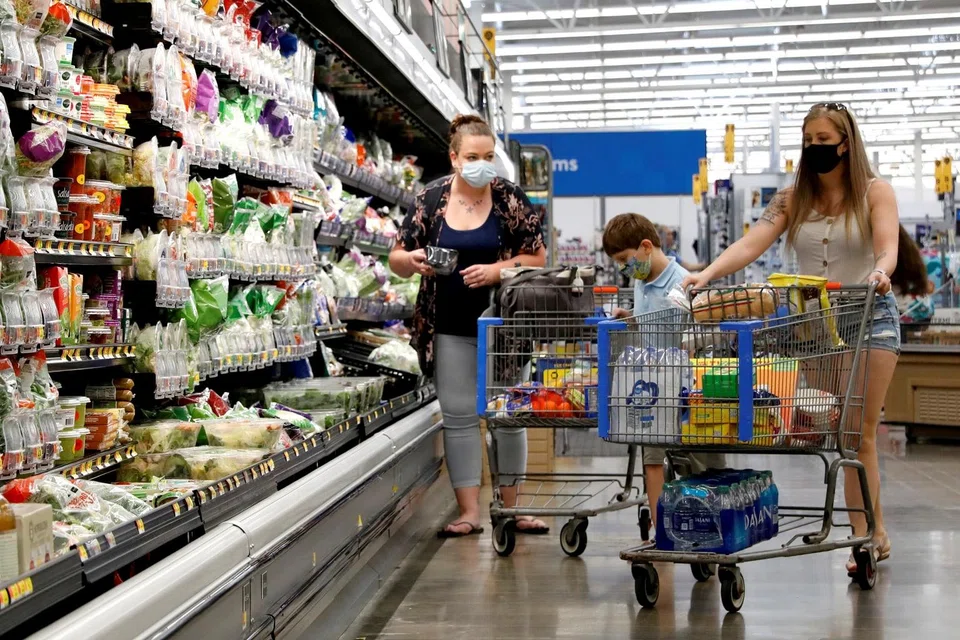
DeeperDive is a beta AI feature. Refer to full articles for the facts.
[MIAMI] That rotting onion in your crisper drawer is part of a US$940 billion global food-waste problem that companies up and down the supply chain are pledging to fix.
With one-third of all food produced in the world lost every year, nearly 200 major suppliers have signed on to cut food waste from their own operations in half in the next decade. Campbell Soup, Impossible Foods and Kellogg are among those that have agreed to make the changes, which also includes measuring and publishing data on their food loss.
The supplier pledge is part of the "10x20x30" initiative, which originally brought together 10 of the world's largest food retailers, such as Walmart and Tesco, to each persuade at least 20 of their priority suppliers to halve food waste by 2030. While all this food is being lost, one in nine people is undernourished, a situation that has only been exacerbated during the Covid-19 pandemic.
At the same time, lost food accounts for 8 per cent of global greenhouse gas emissions, says Champions 12.3, the coalition behind the pledge.
"The challenges of climate change and the loss of nature are approaching crisis level," said Kathleen McLaughlin, chief sustainability officer at Walmart. "If we want to avoid the worst consequences, we have to take action now. If we could eliminate all food waste, what would that mean to reduce pressure on nature and to reduce emissions? It's one of the easiest levers to go after."
Walmart is working with 23 suppliers through 10x20x30, 50 per cent of which are produce suppliers, since berries go bad a lot faster than canned soup. Some of the suppliers who joined this week's pledge have already started to make changes to reduce waste, but for others, this is a newer effort, Ms McLaughlin said. At Walmart, the retailer has tried to improve its own fresh-food ordering and handling of food to result in less waste.
Navigate Asia in
a new global order
Get the insights delivered to your inbox.
"If we do have excess unsold food, we built out an infrastructure to donate the edible food to charitable meals," she said. "And if the food really isn't edible at all, we donate it for the animal feeds or composting or even conversion to energy."
BLOOMBERG
Decoding Asia newsletter: your guide to navigating Asia in a new global order. Sign up here to get Decoding Asia newsletter. Delivered to your inbox. Free.
Share with us your feedback on BT's products and services
TRENDING NOW
StarHub hands Ensign InfoSecurity control back to Temasek in S$115 million deal, books S$200 million gain
Singaporeans can now buy record amount of yen per Singdollar
Air India asks Tata, Singapore Airlines for funds after US$2.4 billion loss

Keppel DC Reit posts 13.2% higher Q1 DPU of S$0.02833 on strong portfolio performance

