

Valentino chairman gives gloomy outlook for luxury sector
 Add BT as a preferred source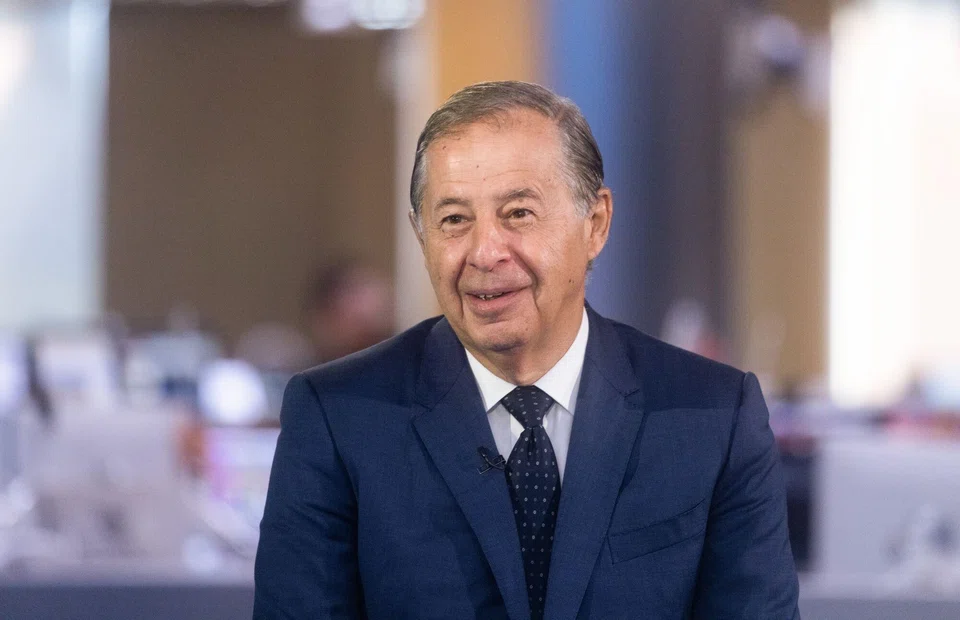
DeeperDive is a beta AI feature. Refer to full articles for the facts.
THE luxury industry’s troubles are mounting, with US department stores struggling and China failing to live up to expectations as a growth motor in the post-pandemic world.
That’s dashing hopes of another resilient year for the sector, which in 2022 defied gloomy headlines to grow by as much as 20 per cent in some locations, according to Rachid Mohamed Rachid, chairman of fashion house Valentino.
“We came into 2023 with a prediction that luxury will probably grow 10 per cent,” Rachid said in an interview with Bloomberg TV. “We have seen very strong signs that it will be much worse.”
Bain in June estimated that the personal luxury goods market, which includes handbags and ready-to-wear, would grow between 5 per cent to 12 per cent this year, depending on the pace of the recovery in China, where severe lockdowns for much of last year hurt demand.
“The picture isn’t as rosy as expected in China, where there’s been a slow recovery this year,” in luxury goods demand, Rachid said. “In Europe, we see that tourists are spending on hotels and restaurants but then there’s not much left afterwards to spend on luxury goods,” while Chinese tourists haven’t yet returned.
The gloomier picture is fuelling more talk of consolidation after Kering agreed to buy a 30 per cent stake in Valentino in July for 1.7 billion euros (S$2.5 billion). Tapestry Inc., owner of brands including Coach and Kate Spade, also agreed to acquire Michael Kors parent Capri Holdings Ltd. in an US$8.5 billion deal last month, and cosmetics firm Estée Lauder Cos. has taken over Tom Ford in an US$2.8 billion transaction.
Navigate Asia in
a new global order
Get the insights delivered to your inbox.
Before the Kering deal, which has yet to close, Valentino was planning for an initial public offering to create a more “institutional arrangement” and attract better talent, said Rachid, who is also chief executive officer of Qatar’s Mayhoola, the investment fund that owns Valentino and French fashion house Balmain. Kering’s investment, however, helps with both those goals, he said.
While Kering will probably take a bigger stake in Valentino over the next five years – potentially even with a full takeover – it’s also possible that Mayhoola will become a Kering shareholder, according to Rachid.
“The intention really is to get more integrated together,” Rachid said, “but at the same time, to expand the horizon of the luxury investment.”
High-end fashion isn’t the only area feeling the squeeze. Earlier this month, LVMH said demand for Champagne would soften in 2023. The luxury conglomerate controlled by Bernard Arnault is the biggest maker of the bubbly beverage.
Philippe Schaus, who heads the wines and spirits unit at Paris-based LVMH, said inflation had started to curb consumers’ appetite for the drink. BLOOMBERG
Decoding Asia newsletter: your guide to navigating Asia in a new global order. Sign up here to get Decoding Asia newsletter. Delivered to your inbox. Free.
Share with us your feedback on BT's products and services
TRENDING NOW

Shelving S$5 billion office redevelopment plan proved ‘wise’ as geopolitical risks mount: OCBC chairman

Eurokars Group introduces rental car franchises Enterprise Rent-A-Car, National Car Rental, and Alamo to Singapore
20 photos that show how dramatically Singapore has changed in two decades
Singapore’s key exports up 15.3% in March from electronics surge, exceeding forecasts

