

Viacom's profit down 29%, providing lens into a business in turmoil
Firm has been engulfed in legal turmoil over mental capacity of its controlling shareholder
New York
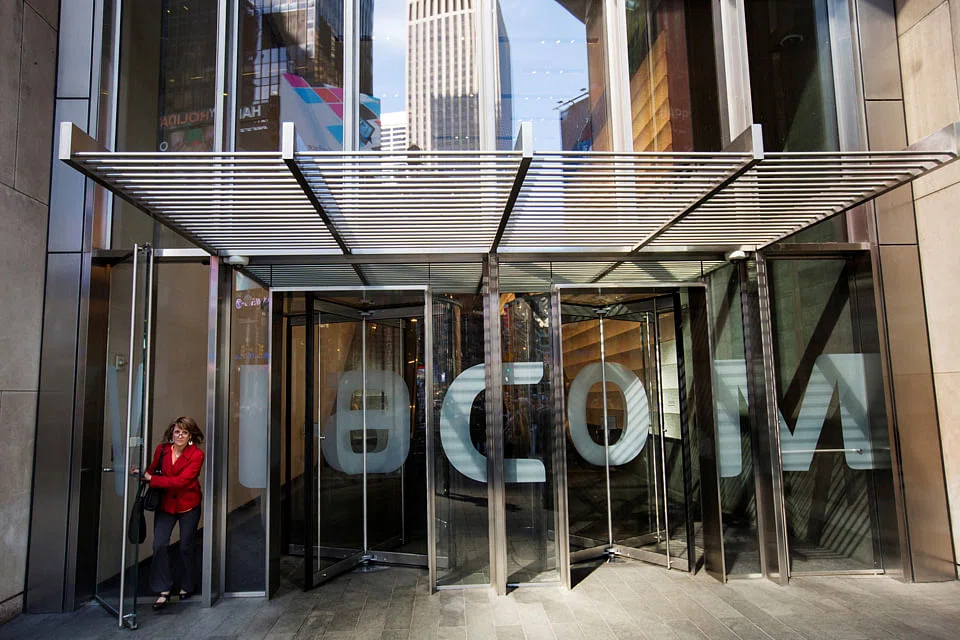
VIACOM reported a 29 per cent plunge in profit in the latest fiscal quarter, putting its management in the hot seat as it continues to wage a brutal fight for control of the entertainment company.
The lacklustre earnings, reported on Thursday, put a harsh spotlight on the actual business results of a company that has been engulfed in legal turmoil over the mental capacity of its controlling shareholder, Sumner M Redstone.
Industry executives said that a weak report could put more pressure on Viacom's embattled management to resolve the dispute out of court, while steady results could embolden Viacom executives to continue to fight.
It remains to be seen how the latest earnings will ultimately affect settlement talks, but Mr Redstone's National Amusements slammed Viacom's performance, stating it "continues to highlight the need for changes to leadership at the company". Through National Amusements, a movie theatre chain, Mr Redstone controls about 80 per cent of the voting shares in Viacom and CBS.
Total revenue for Viacom - the owner of the MTV, Comedy Central and Nickelodeon cable television networks and the Paramount Pictures film and television studio - inched up 2 per cent, to US$3.1 billion, in its last quarter, Viacom said on Thursday.
Adjusted net earnings attributable to Viacom were US$419 million, or US$1.05 a share, for the three months that ended June 30, the company's third fiscal quarter. That compares with US$591 million, or US$1.47 a share, during the same period last year.
In a conference call on Thursday, Philippe P Dauman, Viacom's chief executive, briefly addressed the dispute and acknowledged that its public nature has been a distraction, particularly with its efforts to sell a 49 per cent stake in Paramount.
"Yes, it is a distraction, but in the scope of time it will be viewed as temporary," Mr Dauman said. "Our strategic initiatives continue unabated."
Wall Street reacted to Viacom's results with a sigh. The company's results beat Wall Street's most recent, reduced expectations for revenue and profit, and Viacom shares were down about one per cent in afternoon trading on Thursday. "Operations remain under pressure but there are no new negatives," Steven Cahall, an analyst with RBC Capital Markets, said.
The company signalled in June that its profit for the quarter would fall well below what Wall Street had previously expected, attributing the weakness in part to the dismal box-office performance of its film Teenage Mutant Ninja Turtles: Out of the Shadows. The company also said that the "highly public governance controversy" had delayed a significant streaming deal.
Court battles are being waged in California, Massachusetts and Delaware over whether Mr Redstone has the mental capacity to make decisions about his businesses. Settlement discussions fell apart just last week after the Massachusetts judge ruled that the trial should go forward.
In May, Mr Redstone unexpectedly ousted his longtime confidants Mr Dauman and George S Abrams from the trust that will control his companies after he dies or is declared incompetent. Mr Dauman and Mr Abrams filed suit, challenging the mental capacity of Mr Redstone, who is 93 and in failing health, and asserting that he had been unduly influenced by his daughter, Shari Redstone.
In June, National Amusements moved to replace five Viacom board members, an action widely considered to be the precursor for ousting Mr Dauman as chief executive. Viacom's lead independent director filed suit in Delaware, challenging the shake-up.
Last week, courts rejected motions by the Redstone camp to dismiss the suits in Massachusetts and Delaware, allowed discovery to proceed and scheduled trials in October.
In the conference call on Thursday, Mr Dauman called the court rulings "favourable steps" that would move toward a resolution. He added that the legal developments would "create a better environment" for moving ahead with a Paramount transaction, which National Amusements has opposed.
Mr Dauman said that Viacom had whittled down potential buyers for the Paramount stake to a handful of prospects, but that there had been a slowdown in recent weeks.
Mr Dauman spent most of the call focused on Viacom's business. He outlined a number of initiatives underway that he characterised as transforming the company. Those include ratings improvements at several TV networks as well as growth in the company's international businesses.
Several of those initiatives have yet to deliver a turnaround.
National Amusements criticised Viacom management, stating it "has failed to articulate a credible long-term plan to reverse the company's decline". As proof, it pointed to the 50 per cent drop in share price over the two years that ended on June 15, when it moved to shake up Viacom's board. Other factors included declines in ratings and advertising sales.
In response, a Viacom spokesman, Carl Folta, took aim at Ms Redstone. "Viacom continues to execute on its strategic plan, which is supported by a majority of its independent board," he said. "It is unfortunate that one of our directors feels the need to try to damage the company in response to losses in the courtroom."
Viacom said that in the most recent quarter, revenue gains in its filmed entertainment group offset decreases in its media networks group. Sales in Viacom's media networks segments, which include its TV networks, plunged 22 per cent in the quarter because of declines in domestic advertising and affiliate sales.
Domestic advertising sales declined 4 per cent in the quarter. Price increases were offset by weak ratings at some networks as well as a reduction in advertising units. The results represent a sequential improvement from the previous quarter, when domestic advertising sales declined 5 per cent. Mr Dauman has said that the company expects continued improvement in domestic advertising sales this year.
International advertising sales increased 13 per cent, propelled by growth in Europe. Domestic affiliate sales declined 10 per cent, which the company attributed to a "difficult comparison" with the timing of certain deals the previous year. International affiliate sales increased 9 per cent. The company was hurt by foreign exchange rates.
Filmed entertainment revenue increased 30 per cent to US$621 million, bolstered by gains in licence fees and theatrical revenue. Global theatrical revenue increased to US$91 million. NYT
TRENDING NOW

Knight Frank’s Tan Tee Khoon leaves firm, Nicholas Keong takes over auction business

Keppel Energy, Sembcorp Utilities and Tuas Power to supply biomethane in pilot project

GovTech retrenches another 38 staff in second round of layoffs

Take-up of new private homes dives 45% in Q3 as prices accelerate with 1.4% rise

