

Walmart suppliers grapple with challenge of Made in US label
Buying American is, in part, a response to Chinese labour costs that have hit 61% of US levels
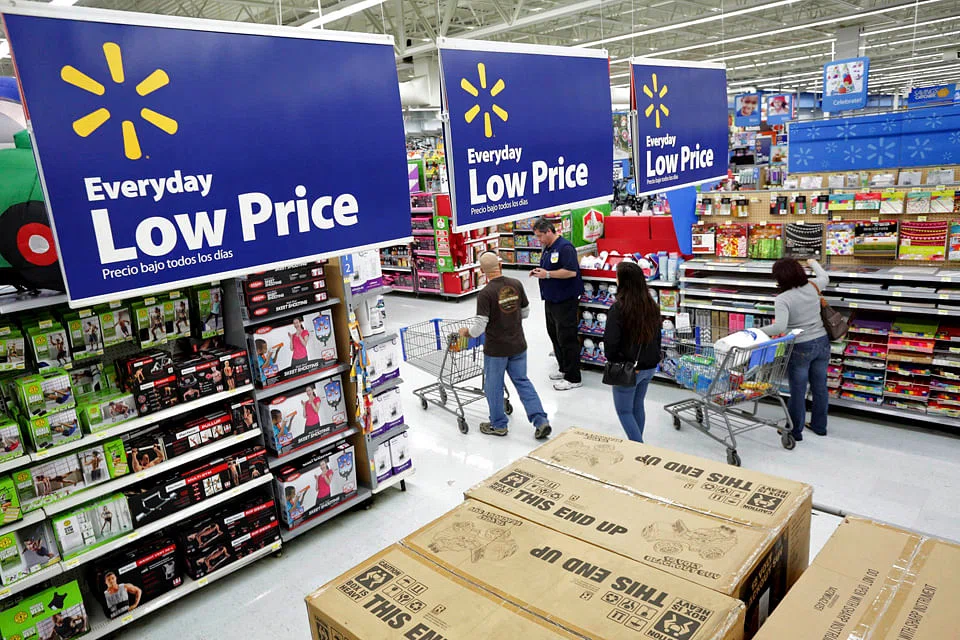
Bentonville, Arkansas
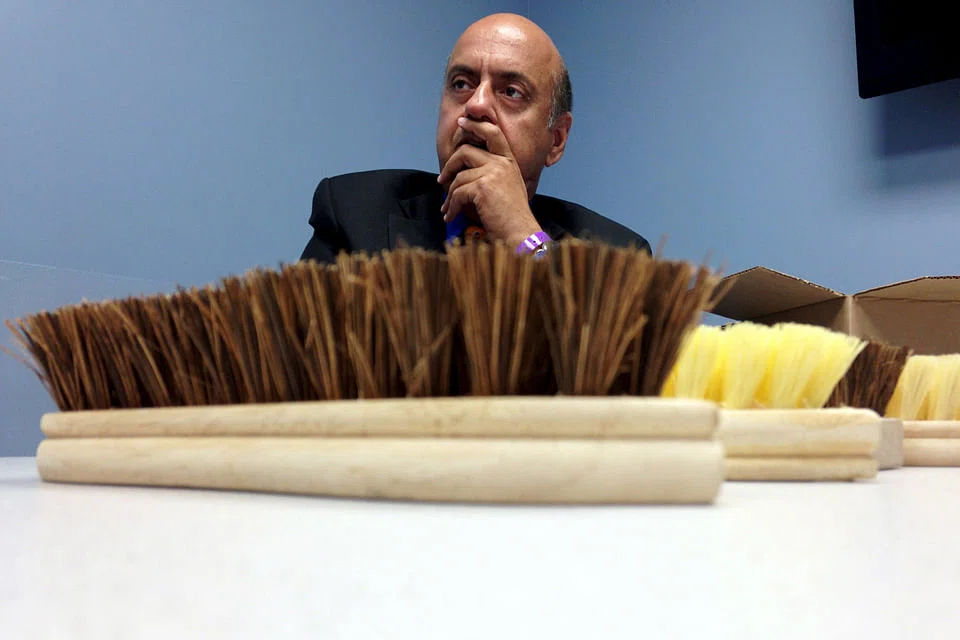
DETROIT Quality Brushes is a company that does just what its name suggests: It makes high quality brushes in Detroit.
Years ago, the company had 18 competitors in the United States. Today, there are only three left, says John Avgoustis, head of marketing and sales. "Walmart and others were a fundamental force in getting many companies to go the way of the dodo," he says.
Mr Avgoustis was among some 2,000 executives from US manufacturing companies who journeyed to Wal-Mart Stores Inc headquarters here on July 7 to huddle in tiny conference rooms with Walmart buyers and present products made in the US.
Walmart's 2015 US Manufacturing Summit was advertised as a chance for goods producers to pitch American-made products to the retail giant.
They would also get advice from Walmart executives on how to take advantage of the company's recent efforts to support more US manufacturing jobs and reverse the trends its purchasing strategies and demand for low prices have driven.
But the event also highlighted the challenges facing companies trying to bring manufacturing jobs back to the US. Cheaper energy and rising labour costs in China have helped stabilise manufacturing employment in the US, but there are still roughly five million fewer Americans working in factories today than in 1990.
Would-be Walmart vendors attending the summit had to establish that their so-called "Made in America" products are not just assembled domestically, but also made from component parts manufactured in the US. But some companies attending the summit says that they have to rely on imported parts or materials because their one-time US-based suppliers have been put out of business by foreign rivals.
Walmart's "Made in the USA" efforts go back to 2013, when the company came under increasing pressure from unions and other critics who says that its drive for low-cost goods was undermining American jobs. Walmart says that it wants to spend US$250 billion on American-made products by 2023, and says buying from US producers is good business.
Harold Sirkin, a managing director at Boston Consulting Group, says that Walmart's drive to buy American, and similar moves by big importers such as sportswear maker Nike Inc, are, in part, a response to Chinese labour costs that have hit 61 per cent of US levels, compared to 17 per cent of US levels 15 years ago. When supply chain and transport costs are figured in, American manufacturers can now compete, he says.
"The pendulum has swung back in favour of the US," Mr Sirkin says. "But it can also swing back the other way."
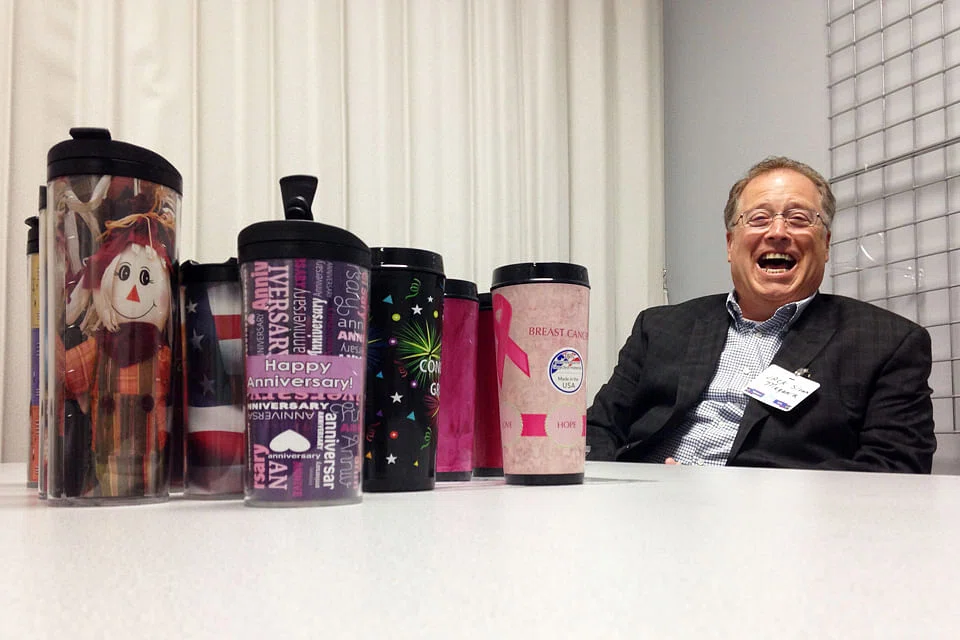
That is what worries Jack Sloan, vice-president of sales at SFH Company LLC. Mr Sloan came to Bentonville hoping to sell customisable plastic travel mugs made by SFH's Chicago-based Magenta unit from American-sourced plastic, with a recommended retail price of US$6.99, about US$1.50 cheaper than mugs he'd seen on Walmart's shelves.
His pitch went well, and the buyer asked him to come up with suggestions for Valentine's Day, Mother's Day and Back to School promotions in a test run at Walmart stores.
But Mr Sloan nevertheless had concerns. "I really love what Walmart is doing, but we'll see how committed they are in the long run," he says. "If this is just a cyclical thing, will they send it back overseas 10 years from now?"
Jeff Kjar and Shellie Slade of Utah-based Elk Management had a tougher time pitching their American-made clothing line to five Walmart executives gathered in a 10-foot by 12-foot windowless room. Mr Kjar says that Elk was willing to build a new factory to handle Walmart business, but they could not compete with a US$1.68 camisole the retailer currently sells.
The executives, who included Walmart category director for ladies apparel Kellie Mullins and David Adams, a divisional merchandise manager, responded that Walmart customers expect US$1.68 camisoles, but will also pay higher prices for better-quality clothing.
They advised Mr Kjar and Ms Slade to aim for that higher-end, but they also offered a caution: The company should double check that the spandex it uses is American-made.
The clothing manufacturers have since discovered that their spandex was imported, and they have found a domestic source instead. But many would-be Walmart suppliers say that producing goods entirely made from American materials presents a major challenge.
K'Nex Brands, a Walmart supplier, manufactures Lincoln Logs, an iconic wooden American toy that has been made in China for 60 years. Chief executive Michael Araten says that the company set out four years ago to move production back to America and did test runs with furniture makers.
But the US makers had trouble producing the small wooden logs to scale.
The company finally tapped golf tee maker PrideSports, which found moving up in scale feasible, and K'Nex recently launched production in Maine at a competitive cost.
Satisfying Walmart's criteria for Made in the USA products remains an issue for Detroit Quality Brushes, a family-owned company founded in 1887.
Mr Avgoustis says that the company purchases wood for its brushes from Sri Lanka, and bristles from Sri Lanka or Mexico, because the American suppliers it once used have all gone out of business.
Walmart buyer William Loan suggested that the company return to pitch samples of plastic brushes.
Mr Avgoustis says that he has seen other brush companies invest in US production facilities only to have retailers abandon their products in favour of cheaper, foreign-made products. But Detroit Quality Brushes has extra factory capacity, and Mr Avgoustis says that that may make it possible to produce brushes with American-made plastic that could carry a "Made in USA" label without a huge expenditure.
It is, he says, worth a try. "If after two years, Walmart were to say bye-bye to us, it wouldn't hurt us," Mr Avgoustis says. REUTERS
TRENDING NOW

Nvidia reinstates Jensen Huang as CEO; Trump says move poses no national security risk

Beyond the greenback, Vietnam’s big borrowers turn to Asian-currency bonds

Indonesia’s coal tycoon Low Tuck Kwong replaced as Bayan Resources president-director

Six workers file employment claims against Crystal Jade Food Manufacturing

