Why bigger is not better for retail
Stores such as Sears, Walmart, Target, Macy's and Nordstrom are banking on smaller, more focused areas
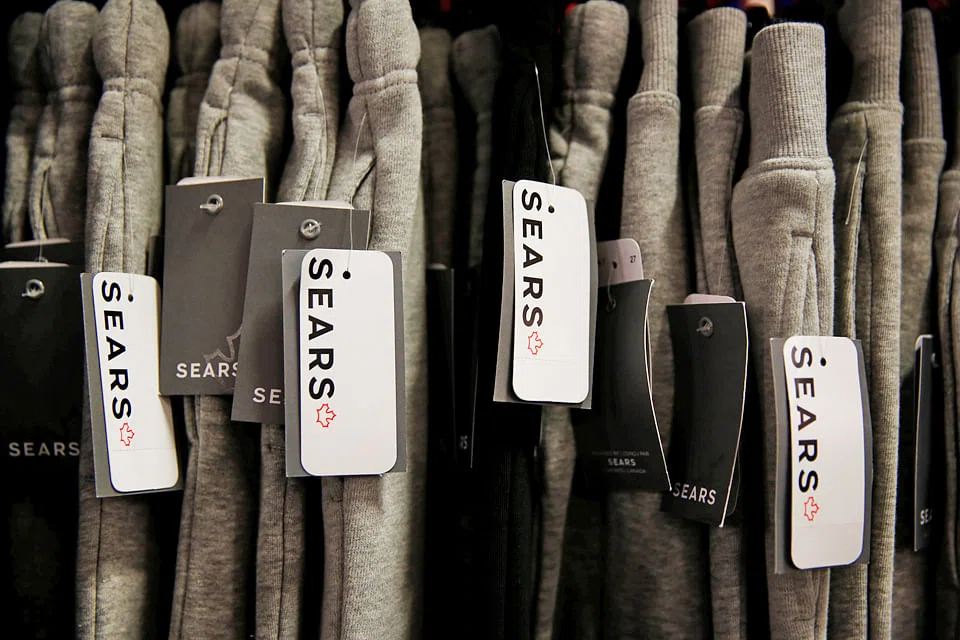
Washington
WITH holiday shopping in full swing, Sears decided it was time to host a "grand reopening" for its department store at Fair Oaks Mall in Northern Virginia, complete with magic shows, jugglers, face painting and free cotton candy.
The biggest change for the decades-old shopping centre anchor? It was now just half its size.
The store had done away with its entire second floor, concentrating its efforts on its appliance and mattress departments on the ground level. The apparel departments were smaller, and the store's many cash registers had been consolidated into one sleek, white checkout counter that looked like it'd been borrowed from the Apple store.
It had taken more than a year to renovate the store, part of a companywide effort to square a difficult retailing circle. Sears Holdings, which hasn't posted an annual profit since 2010, is trying to pare costs while making its stores attractive to a generation of shoppers who are increasingly buying online.
"The business is evolving and we're evolving with it," said Matt Trautwein, the company's district manager.
Sears is not the only store cutting back on real estate. Across the country, retailers such as Walmart, Target, Macy's and Nordstrom are experimenting with ways to distil their inventory into smaller, more focused locations.
The shift comes, analysts say, as Americans flock from the suburbs to city centres, where space is at a premium. Big-box stores on the outskirts of town are no longer convenient nor practical for millennials with tiny apartments and no car. Target alone is opening 30 smaller stores by the end of the year, doubling its presence near urban areas and college campuses.
"That big weekly stock-up where you fill up the back of the car? That's very much boomer mentality that millennials aren't buying into," said Mike Paglia, director of retail insights for research firm Kantar Retail.
Sales at smaller-format stores are projected to grow 3.9 per cent annually until 2022, outpacing 0.8 per cent sales growth for their big-box counterparts, according to recent projections from Kantar Retail. Stores smaller than 20,000 square feet currently account for US$612 billion in annual sales, with that figure slated to grow 21 per cent to US$741 billion in the next five years.
With the boom in sales online, "nobody needs a gazillion square feet of store space anymore," said Howard Davidowitz, chairman of retail consulting and investment banking firm Davidowitz & Associates. "Retailers are realising that they have to downsize stores to save money." Those smaller footprints mean more shopping centres are struggling with how to fill their empty spaces. The shift can be painful for retailers as well, Mr Davidowitz said. Renovations can cost hundreds of thousands of dollars, and in some cases, retailers may have to pay their landlords to alter existing leases.
There can be other challenges, too. American shoppers have become accustomed to shopping in megastores that offer dozens of varieties of shampoo, apples and socks. Getting them to pare down expectations can be difficult. "It's a challenge of enormous consequence," said Mark Cohen, a professor of retailing at Columbia Business School,who also happens to be the former chief executive of Sears Canada. "How do you successfully distil 200,000 square feet of products into 80,000 square feet?"
Take, for example, Walmart. The company, which had been testing small-format Express stores since 2011, last year announced that it was scrapping its plans and closing all 102 of its Express stores. Walmart executives did not offer much of an explanation, but analysts say the chain likely had difficulty persuading shoppers to think of Walmart stores as anything but one-stop shops for thousands of items.
Now Walmart says it's shifting gears to slightly larger Neighbourhood Markets stores, which average about 40,000 square feet, and focus primarily on produce and groceries. (The company's Express stores, meanwhile, maxed out at about 15,000 square feet. Its Supercenters, by comparison, average about 180,000 square feet.) At Sears in Fair Oaks Mall - which is now about 78,000 square feet, down from 145,000 square feet - store managers say they try to keep the store's most popular departments - appliances, mattresses, lawn and garden - as large as possible, while shrinking the selection of apparel, jewellery and home goods.
The company had also added computer kiosks throughout the store where customers can browse the selection at Sears.com and place orders for items that are not offered in the store. WP