

From Yaohan and Galeries to Metro: The rise and fall of department stores in Singapore
A brief history of where and how we’ve shopped through the years

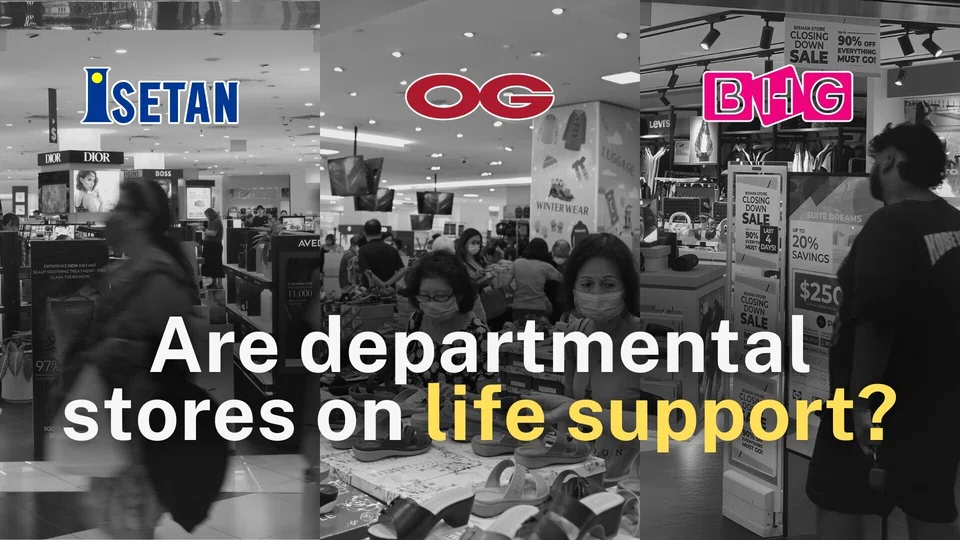
[SINGAPORE] In their halcyon days, department stores were the undisputed kings of Orchard Road and Singapore shopping. But over the years, many have closed, with their household names etched on headstones in Singapore’s retail graveyard.
The latest casualty is Metro. The store, which opened its doors even before Singapore gained independence, will be closing its final two locations at Paragon and Causeway Point when their leases expire.
For decades, a department store’s everything-under-one-roof offering was the formula for retail dominance. Landlords welcomed them with open arms as anchor tenants that would draw crowds to a mall.
But that business model was continually eroded by rising rents and other operational costs, and changing consumer taste and behaviour. The final nail in the coffin was the advent of online shopping, which not only brought convenience and incredible range into the living room, but also allowed suppliers and brands to set up their own e-commerce stores.
Throughout the upheaval however, there were some that still thrived. Takashimaya and Tangs bear special mention. What is their recipe for longevity? A major reason is how their rent costs are structured differently.
Here is a brief history of the changing fortunes of Singapore department stores through the decades:
1960s and pre-war
John Little, Robinsons: As the oldest names in Singapore’s retail history, John Little (founded in 1842) and Robinsons (1858) catered to the colonial elite before becoming mainstays for local shoppers. Robinsons’ legendary Raffles Place flagship survived World War II bombs and a devastating fire in 1968 which forced it to relocate to Orchard Road where it was a landmark for decades at Centrepoint.
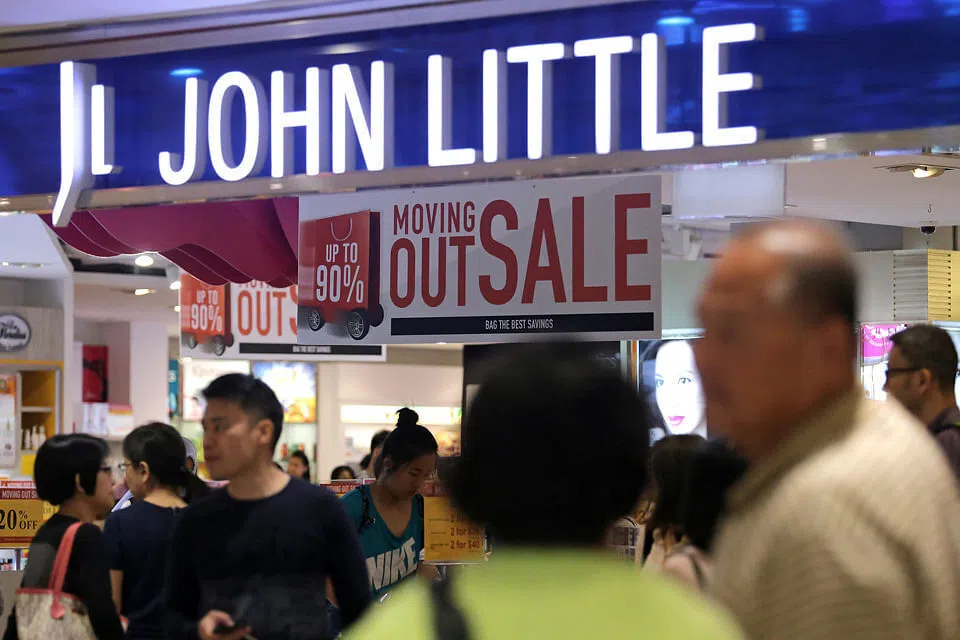
In 2008, UAE’s Al-Futtaim Group bought 88 per cent of Robinson & Co – which owned John Little – for about S$600 million. A few years later, it moved Robinsons out of Centrepoint.
In 2016, it shuttered Singapore’s oldest department store, John Little, in a bid to consolidate resources to save Robinsons – a gamble that ultimately failed four years later.

In 2020, the 162-year-old Robinsons itself was brought to its knees. Despite its household name and heritage, the retailer could not sustain the rents at its Heeren and Jem locations.
Haemorrhaging cash to online competitors and hammered by the pandemic, Robinsons went into voluntary liquidation, leaving behind more than S$31 million in claims owed to more than 400 creditors. Today, it operates purely as an e-commerce platform.
Metro: Another name that goes back to pre-independent Singapore is Metro, founded in 1957 by local businessman Ong Tjoe Kim on High Street. It started as a humble textile store but quickly rode the wave of Singapore’s economic boom, expanding aggressively to become a household name.
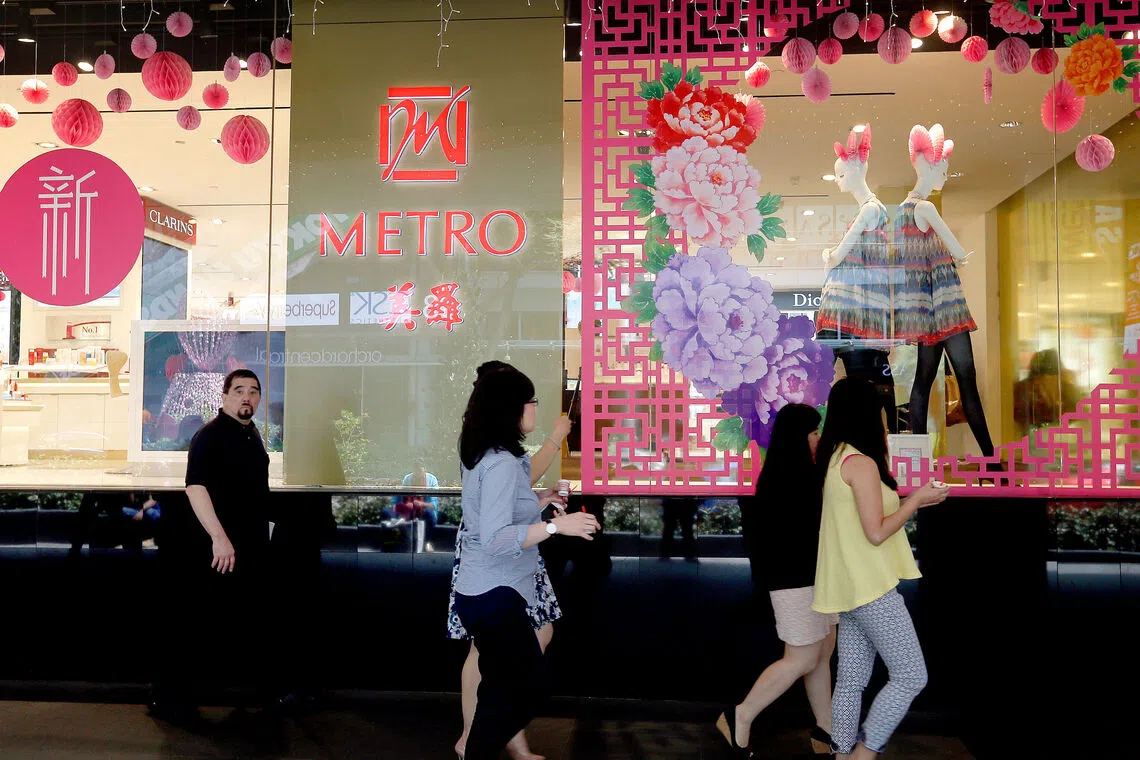
In its heyday in the 1980s and 90s, Metro Grand warehouse sales drew thousands, causing traffic jams across the island.
But intense competition from fast fashion and e-commerce saw Metro’s retail arm chalking up repeated losses. The group announced it will close its last two large-format stores at Paragon and Causeway Point in 2026.
CK Tang: A year after Metro opened, local businessman Tang Choon Keng (better known as CK Tang) who started off selling hand-made lace and embroidery, took a real estate gamble.
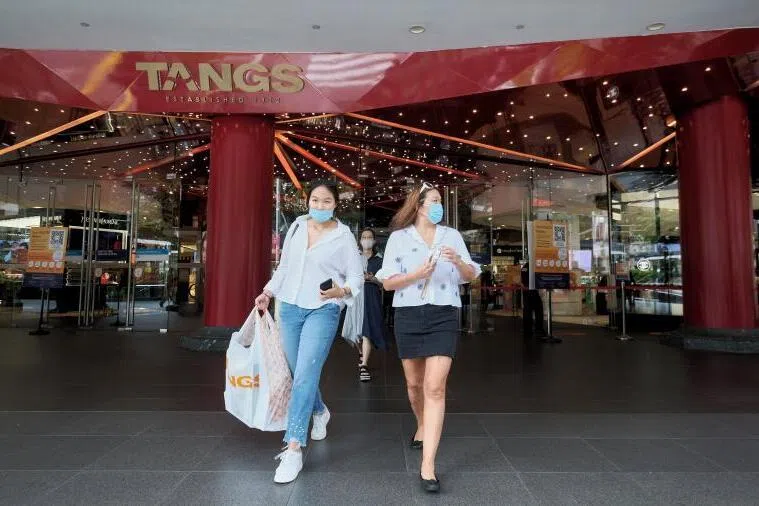
He moved his retail business in 1958 to an isolated plot facing a Chinese cemetery on Orchard Road. The move eventually transformed the street into Asia’s premier shopping belt.
By the time the iconic, high-rise Tang Plaza opened in 1982, complete with its distinctive green-tiled pagoda roof, it was the ultimate symbol of modern urban prosperity. Unlike its fallen peers, Tangs would later survive the digital age by shifting away from low-margin household goods and transforming its space into a high-end beauty and lifestyle destination.
Emporium: Before modern suburban malls even existed, the Oriental Emporium chain brought the department store experience to the heartlands. Founded in 1966 by the Lim brothers, it started in Raffles Place before expanding aggressively into HDB estates such as Toa Payoh and Ang Mo Kio. It was so successful that on a single day in March 1980, it opened new branches in Clementi, Woodlands, Bedok, Ang Mo Kio, Bukit Timah and Bukit Merah.
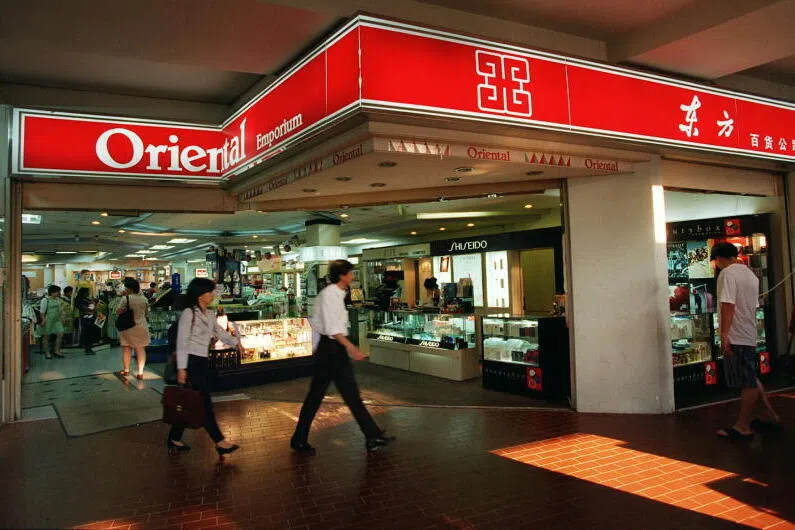
Offering affordable China-made goods in air-conditioned comfort, the chain peaked at more than 30 branches.
But it quickly became a cautionary tale in overexpansion. When the 1985 recession landed, the heavily leveraged company buckled under massive debts and plunging sales. The group was forced into receivership, and the ubiquitous Emporium brand vanished by the late 1980s.
OG: Started in 1962 as Ocean Garments, a textile manufacturer, OG opened its first department store in Chinatown in 1971. It rode the wave of local consumerism, eventually opening a sprawling flagship at Orchard Point that became a beloved, family-oriented fixture known for its winter wear and generous sales.
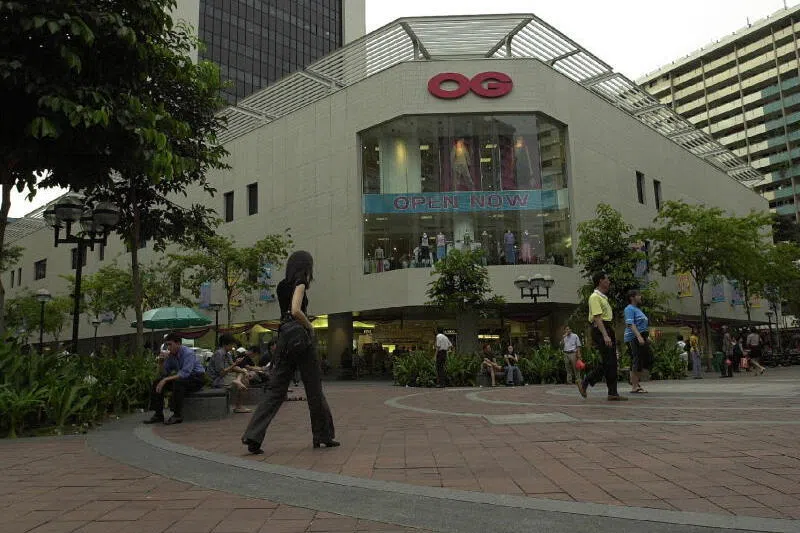
But as Orchard Road transformed into a playground for luxury brands and high-spending tourists, OG found itself caught in a demographic mismatch. Realising its core demographic is the local heartland shopper, OG closed its prime Orchard Point location in 2022. It retreated to its Albert Complex and People’s Park locations, now focusing strictly on its loyal, domestic customer base.
1970s and 80s
The boom in Asian prosperity and with it, consumerism, drew a wave of established foreign players, particularly from Japan and Europe.
Isetan: Isetan opened at the Apollo Hotel in 1972 and was the first Japanese department store on the island. It quickly became the go-to destination for high-quality Japanese imports and fashion, expanding into massive, multi-level anchors at Liat Towers, Wisma Atria and heartland mega-malls such as Nex and Westgate.
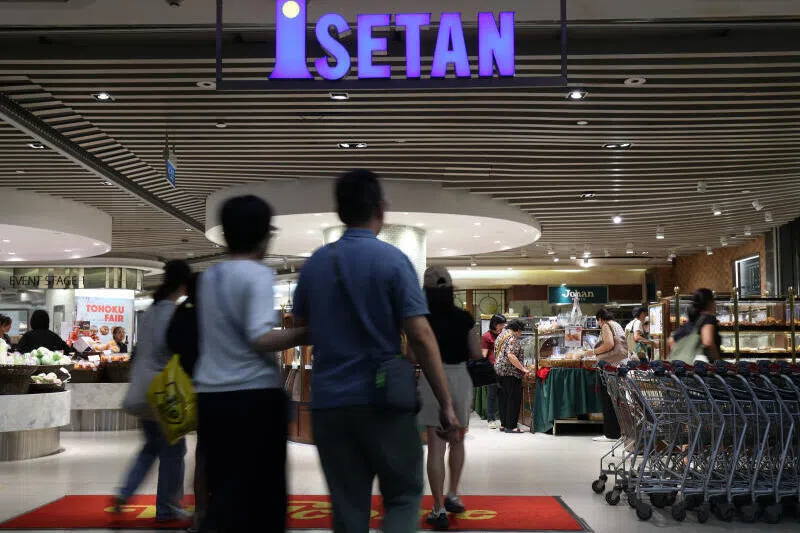
Today, it is a shadow of its glorious past. Isetan closed its Wisma Atria, Westgate, Parkway Parade, Tampines and Nex branches in 2015, 2020, 2022, 2025 and 2026, respectively, shrinking its footprint down to its flagship Scotts Road location. The financial toll of operating large spaces saw its half-year earnings for the period ended June 2024 log a net loss of S$126,000.
Yaohan: Yaohan revolutionised local retail when it opened a three-storey store at Plaza Singapura in 1974 to great fanfare. It went beyond a focus on clothes to introduce the “one-stop family shopping” concept. It was a smash hit, and expanded rapidly to Parkway Parade and Thomson Plaza
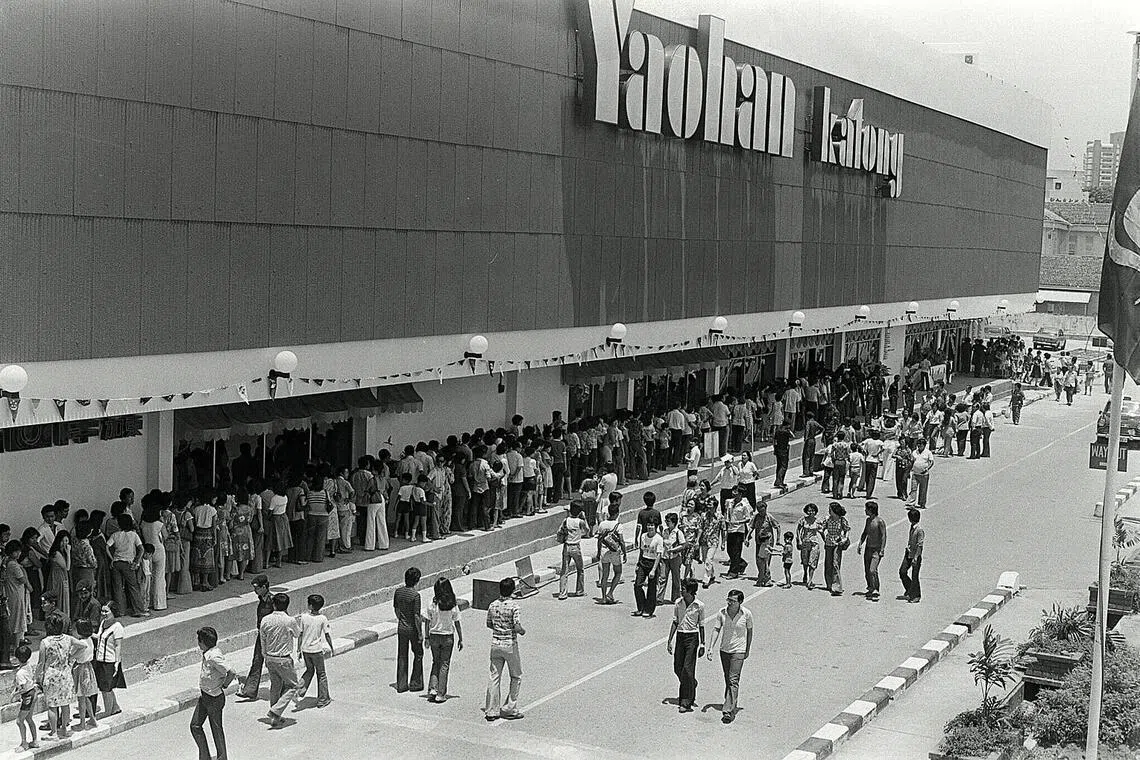
But despite its wild success in Singapore, the brand succumbed to its parent’s woes. Yaohan Japan had expanded aggressively overseas, racking up huge debts. When the 1997 Asian financial crisis struck, the parent company collapsed, dragging its highly profitable Singaporean operations into bankruptcy and forcing a tearful closure of all stores. Its final store here closed in 1998.
Printemps: The French luxury brand attempted to bring Parisian glamour to Orchard Road in 1983 with a store at the Hotel Meridien (now Concorde Hotel).
But it misread the market, with pricing that was too steep for the average local shopper, and merchandise unsuited to the tropical climate. Plagued by sluggish sales, it quietly folded in 1989.
Galeries Lafayette: Another French retail giant, Galeries Lafayette, first opened in Goldhill Square in 1982, but poor foot traffic forced it to relocate to Liat Towers in 1987. Despite prime Orchard Road frontage, the brand struggled with high operating costs, a confusing product mix, and fierce local competition. It threw in the towel in 1992.
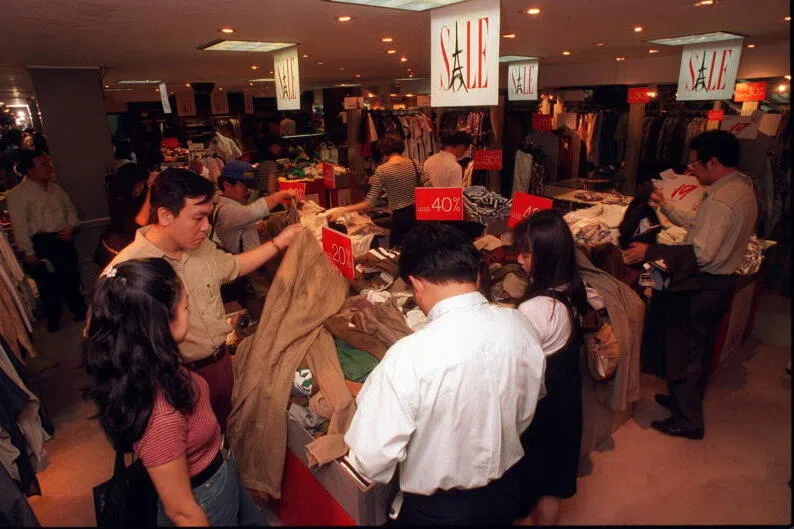
Daimaru: The massive influx of Japanese capital in the 1980s also swept in Daimaru, which opened in 1983 as Liang Court’s anchor tenant. It quickly became the de facto hub for Singapore’s growing Japanese expatriate community, beloved for its pristine supermarket and quality goods.
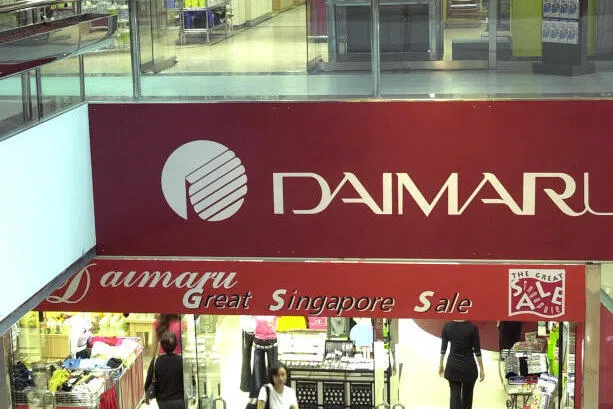
Despite years of profitability, a decade of economic stagnation in Japan forced Daimaru’s parent company to restructure. In 2003, Daimaru withdrew from Singapore to consolidate its resources in its home market.
Sogo: Sogo, another Japanese brand, opened a highly profitable flagship at Raffles City in 1986, drawing massive crowds and eventually expanding to Paragon. It was a retail powerhouse in Singapore throughout the 90s, but its fortunes turned in 2000.
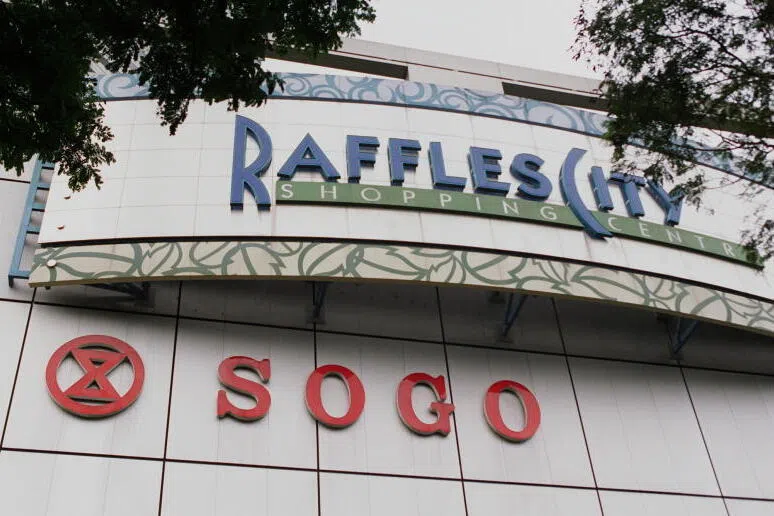
Sogo’s Japanese parent company collapsed with an astonishing US$17 billion in debt and filed for bankruptcy. The forced, high-profile global liquidation caught local shoppers by surprise.
Tokyu: Tokyu opened in Marina Square in 1987, anticipating a flood of tourist traffic from the surrounding mega-hotels. While it enjoyed moderate success in its early years, the retail slump of the mid-90s, followed quickly by the 1997 Asian financial crisis, killed consumer sentiment. Unwilling to weather the prolonged economic storm, Tokyu withdrew from the Singapore market in 1998.
1990s
Takashimaya: Its 1993 opening as the anchor of Ngee Ann City also heralded Singapore’s biggest department store. It perfected the event-driven retail model – turning its massive basement atrium into a continuously rotating space for mooncake fairs, toy sales and Japanese food festivals.
It successfully captured both the high-end luxury market and the mass consumer, cementing its status as the king of Orchard Road.
BHG (Formerly Seiyu): Opening in 1995 as Seiyu at Bugis Junction, the store catered to a younger, trendier demographic, complete with a glass-roofed shopping street. It expanded successfully into the suburbs. After being acquired by Beijing Hualian Group and rebranded as BHG in 2007, it became a heartland staple.
Today, however, it mirrors the struggles of the wider industry. BHG has exited suburban malls such as Jurong Point and Clementi Mall, and downsized its Bugis Junction flagship from three levels to two in a bid to optimise overheads against declining physical sales.
Staying on top of the game
Takashimaya: Arguably, no player has weathered the ups and downs of department stores better than Takashimaya Shopping Centre and its sister company Toshin Development. By controlling the tenant mix and sub-leasing spaces together with Toshin, Takashimaya Singapore has been able to maintain healthier revenues and profits than its peers.
The secret to this success lies in its corporate structure. Toshin Development holds the master lease for the commercial spaces in Ngee Ann City, effectively acting as the landlord. It then sub-leases these prime spaces to luxury boutiques and speciality stores, generating massive, highly controlled rental income that insulates the core department store business from market shocks.
Ironically, Ngee Ann City was co-developed by Ngee Ann Kongsi and the property arm of Metro Holdings. Metro helped build the very monument where Takashimaya now thrives as the undisputed retail king, while Metro’s own department store business prepares to exit large-format retail entirely.
In the first quarter of its 2026 fiscal year ended Jun 30, Takashimaya Singapore’s operating profit grew 5 per cent year on year from two billion yen (US$12.2 million) to 2.1 billion yen. This was accompanied by an exchange-rate adjusted 9.8 per cent rise in revenue from 6.4 to 7.1 billion yen.
Tangs: In the case of Tangs, Tang Plaza is owned by the CK Tang family, shielding it from volatile rent hikes. The store’s pivot from mass-market department store goods to higher-yield cosmetics, fragrances and homeware also contributes to its longevity.
This transition began in earnest with a massive S$45 million brand overhaul. By deliberately taking greater control over curating premium brands rather than acting as a passive middle man for mass-market goods, Tangs successfully insulated itself against the retail apocalypse.
Is there a future for department stores?
Dr Samer Elhajjar, senior lecturer at National University of Singapore Business School’s department of marketing, noted: “The traditional model of being large, all-in-one stores simply doesn’t match how people shop any more.”
Malls are instead focusing on offerings “that e-commerce cannot replicate”, such as food streets, indoor playgrounds, boutique gyms and dental clinics, he added.
Around the world, many legendary names are living this nightmare. Some have closed while others are now a shadow of what they were, including Debenhams in the UK and Barney’s, Bloomingdale’s, Saks and Macy’s in the US.
Decoding Asia newsletter: your guide to navigating Asia in a new global order. Sign up here to get Decoding Asia newsletter. Delivered to your inbox. Free.
Copyright SPH Media. All rights reserved.
TRENDING NOW

Once staunchly pro-China, Malaysian Chinese businesses are now distancing themselves from Beijing

Looking beyond looming CEO succession, should UOB potentially pursue a transformative merger?

Could stablecoins be the future of money?

Grab CEO’s wife Chloe Tong on life with Anthony Tan and finding her purpose

