

Covid-19 Act staving off restructurings, specialists say
Queries about financing options on the rise in key affected sectors as well as tech startups

Singapore
RESTRUCTURING companies and law firms here have been receiving more enquiries from companies seeking financing help since the circuit breaker kicked in, but they say it could be a few months before these companies schedule restructuring appointments.
Companies have so far focused on shoring up their cash positions by reducing costs or trying to raise funds. At the same time, restructuring is now less urgent due to measures recently introduced by the government.
On April 1, 2020, the Ministry of Law announced new measures under the Covid-19 (Temporary Measures) Act to offer temporary relief to businesses that are unable to fulfil their contractual obligations. The Act also increases the monetary thresholds and time limits for bankruptcy and insolvency.
These measures make it harder to wind up companies on the grounds of insolvency. Companies have more time to settle statutory demands. Directors, meanwhile, receive temporary relief from their obligations to prevent their companies from trading while insolvent if the debts are incurred in the company's ordinary course of business.
The Act gives companies the time and space to consider available options to continue as a going concern, as well as other possible restructuring strategies. It also temporarily increases the monetary threshold for insolvency from S$10,000 to S$100,000 for companies.
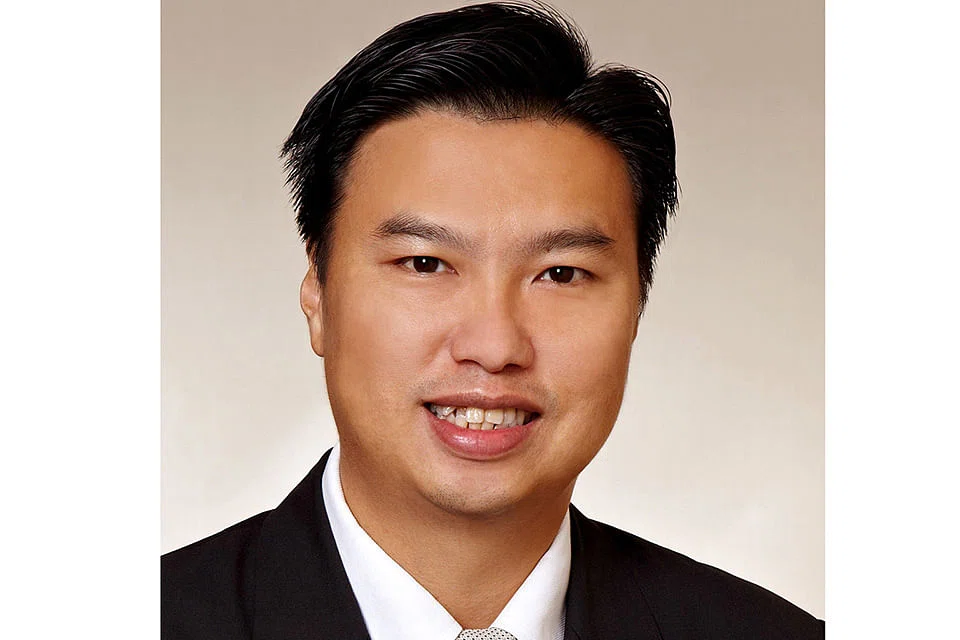
David Chew, partner at restructuring specialist DHC Capital, said these efforts protect directors and companies facing short-term liquidity pressures from having to immediately file for insolvency. The Act allows companies to continue in their trade until the crisis passes and they return to a more stable and solvent position.
"Our internal view is that restructuring appointments will take two to three months (before they occur)," he told The Business Times.
Instead of restructuring, companies are exploring options in financing. One group of companies may simply require funding to extend their liquidity runway in the event that the Covid-19 pandemic lasts longer than anticipated. DHC Capital is helping such companies to explore relief capital from alternative capital providers.
"The second group comprises companies that operate in industries that have been hit badly by Covid-19, such as retail, energy, entertainment, tourism and tech startups, where a liquidity problem becomes a solvency problem," Mr Chew said. Companies in this group may be forced to restructure earlier than they would like.
Tech startups, for instance, are typically loss-making while they are still building up their products and revenue streams. They would need to continually raise new capital to fund their losses. But with difficult market conditions, existing investors may not want to provide funding. This situation may push such companies into a restructuring decision.
"We have seen an increase in enquiries from energy and tech startups on options available, and expect more over time," Mr Chew said.
Joshua Ong, managing partner at accounting and business advisory firm Baker Tilly, is seeing similar trends.
"Many of our clients have applied or are applying for bank loans such as temporary bridging loans," he said.
With global travel grinding to a halt, he said the airline, tourism and hospitality industries have been the hardest hit. Restaurants, retailers, entertainment companies, and conference and event organisers have also been adversely affected by the circuit breaker, with reduced sales leading to dwindling cash inflows.
Many companies have fixed obligations and commitments, however, in particular rental and payroll.
"Companies with large workforces or facilities will be most concerned about having sufficient cash flow to meet their commitments," he added.
Some also report having too much of their funds tied up in inventories and receivables. "Production stoppage now results in businesses having to carry these inventories for a few more months, before they can be converted to finished products for sale," he said.
Businesses in the F&B sector with perishable inventories will have to write off these inventories. "Collections from customers may now be delayed further as their customers are also trying to manage and take care of their own cash flow too."
Meanwhile, creditors are chasing payments. Companies that do not have the right funding structures - for instance, if they are using short-term borrowings to finance long-term capital investments such as the purchase of properties or equipment - will urgently need cash to meet their short-term working capital needs and to service loan repayments due in the next 12 months.
Mr Ong said that for some of these cash-strapped companies, the pandemic may cause them to "shut down for good".
Others will turn to professional advisers like him for help with presenting their financial information and business cases to banks, especially if they have not maintained proper accounting records or have been exempted from filing audited accounts.
Companies with "prior banking relationships" should find it easier to access loans while those without prior dealings could face delays as loan applications rise.
Some sectors are more distressed though, and may see restructurings happen sooner.
Justin Yip, a partner at law firm Withers KhattarWong who specialises in restructuring and insolvency, said that his company has been seeing more restructuring-related enquiries, both from creditors and debtors, particularly in the construction, oil and gas, and manufacturing sectors.
"Some of these sectors, such as construction and oil and gas, were already experiencing distress before the Covid-19 situation, which has further compounded their financial woes.
"A key question that both lenders-creditors and borrowers-debtors are concerned with is whether their contract is protected by reason of being a 'scheduled contract', such as whether a bank loan facility is secured against commercial or industrial real estate, a tourism-related contract, a construction contract, etc," he said.
"This has implications on the ability of the creditors to take certain enforcement actions over security, such as appointing receivers over secured assets."
Whether these lenders can access contractual self-help remedies, including the setting off of liabilities against monies held in bank accounts, is also of concern to lenders and borrowers alike," he added.
Mr Yip said the enquiries he has received so far are exploratory in nature and mostly about how to navigate through the terms of the Act.
As not all contracts are covered by the Act, creditors are seeking advice on whether their rights are restricted by the Act and if there are other routes for recovery. Debtors, in turn, are seeking advice on the applicability of the Act to their circumstances, and the scope of such protections.
TRENDING NOW

If Europe goes to war, the fallout will be felt in East Asia

China’s market is tougher than ever. Where can Singapore firms still find room to grow?

Vietnam’s race for growth tests pace of energy transition: experts

Indonesia stocks suffer worst plunge in nearly 30 years as MSCI proposes standalone status

