

Covid-19 exposes SGX's lack of biopharmaceutical issuers
Many of the homegrown players that need to raise funds are still early-stage companies and are not mature enough for the IPO market
 Add BT as a preferred source
Angela Tan
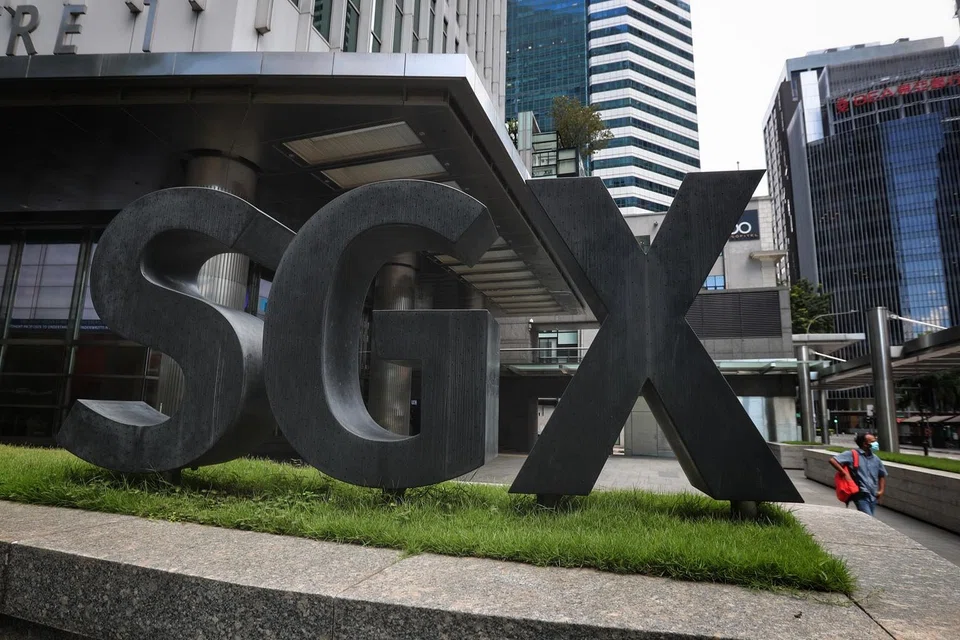
SINGAPORE-BASED biotech Cennerv Pharmaceuticals tried twice to list on the Singapore Exchange (SGX) but was forced to withdraw its initial public offer (IPO) due to weak demand.
At that time, a clearly disappointed chief executive officer Anil Ratty told shareholders in a statement:"The insufficient demand for placement shares at a suitable price meant that this IPO at a low price in the Singapore capital market would have adversely affected all future fundraising in the market, a very critical step envisaged for ongoing growth in the post IPO period."
Dr Ratty told The Business Times then that he was still eyeing an IPO, but in other markets.
The story has a sad, familiar ring to it. It illustrates the challenges facing SGX as it seeks to attract biopharmaceutical firms to list here.
While Asia-Pacific boasts a burgeoning population and multi-year growth prospects for patient demand, there has been scant representation in terms of innovative healthcare plays on the SGX. The exchange has a cluster of 35 healthcare companies, of which only eight are in the pharma/biotech space.
This investment gap has become more visible with the onslaught of the Covid-19 pandemic. Biopharmaceutical companies have shown resilience and many have even seen their share prices soar on positive sentiment.
Four of the 10 best performing constitutents of the Standard & Poor's 500 index this year are in the healthcare space. Two are medical device makers and the other two are pharmaceutical companies.
Meanwhile, biotech IPOs have been hot tickets. The number of biotech listing deals has outpaced every other category, including technology, both on the US exchanges as well as in Asia on the Hong Kong Stock Exchange. The latter, which launched a new listing regime on April 30, 2018, has at least 15 biotech companies listed on its main board and is expecting to attract more US-listed Chinese companies in light of new regulations governing foreign companies with public listings on US exchanges.
Companies in this space that have sought a listing this year are attaining record pricing levels.
In the US, developer of cancer therapies Repare Therapeutics was able to increase the indicative pricing for its IPO in the bookbuilding process - from a range of US$16 to US$18, to a range of US$18 to US$20 - before eventually pricing its offering at US$20 a share to fetch US$220 million. Forma Therapeutics, which focuses on sickle cell disease, had an indicative price range of US$16 to US$18 for its IPO, but eventually sold at US$20 and fetched US$278 million.
In South Korea, SK Biopharmaceuticals, a subsidiary of the SK holdings conglomerate and maker of the epilepsy drug Xcorpi, priced its IPO at the top of its indicative price range to raise US$794 million - making it the biggest IPO there in three years.
Few options on SGX
Locally listed companies with biopharma links have done well this year too. But the selection for investors has been limited to counters with small market caps, most of them unproven.
Homegrown Biolidics, which was spun out of Clearbridge Health, has made several announcements touting its Covid-19 connections. The stock rose to as high as S$0.760 in April this year on the strength of those connections, representing a gain of 210.2 per cent from its Dec 31 close at S$0.245. But investor exuberance has since dropped after it emerged that things were not going according to plan.
In April, Biolidics had announced intentions to distribute some Covid-19 rapid test kits in the US. Biolidics also appointed Nasdaq-listed Aytu Bioscience, a pharmaceuticals company, as a distributor of its kits in the US. It was announced that Aytu had a "binding commitment" to purchase 500,000 kits from Biolidics within one day from the date of the distribution agreement, on April 23. Aytu would also have to buy at least 1.25 million kits within three months of that date to retain exclusivity for the kits. Aytu would also pay for and lead clinical trials processes to get regulatory clearance for the kits from the US Food and Drug Administration.
Late on Sunday, however, Biolidics announced its agreement with Aytu has been terminated. Biolidics said this was because competition in the US market for serology test kits has increased. It now plans to work with Aytu to develop a different type of test kit that will have broader applications.
Biolidics' shares fell 22 per cent on Monday to close at S$0.320 in reaction to the announcement. They sank further on Tuesday, ending the day at S$0.305. That gives it a market capitalisation of S$83.3 million and puts its year-to-date gain at just 24.5 per cent.
A better performer is Hyphens Pharma, which is known for its Ocean Health supplements and Ceradan dermatology products. The counter has climbed 40.5 per cent this year without the wild swings seen at Biolidics. It is, nevertheless, small, with a market cap of S$88.6 million.
Disconnect with economy
The lack of locally listed pharmaceutical stocks belies Singapore's position on the international pharmaceuticals stage. More than 30 of the world's leading biomedical sciences companies have operations here, making Singapore one of the fastest growing bio-clusters in Asia.
These units of multinational corporations listed on other exchanges do not need to raise funds here, although they could tap local bond markets for funding if they wanted to. Investors can therefore only hope these large pharmaceutical companies and manufacturers consider a secondary listing on SGX. Swiss-based Lonza, one of the world's leading suppliers to the pharmaceutical, healthcare and life science industries, has had a secondary listing here since 2011, although the counter sees hardly any trading.
Many of the homegrown players that need to raise funds are still early-stage companies and are not mature enough for the IPO market. The Singapore market also lacks a pool of investors that would be willing to invest in high-risk firms that have yet to monetise their drugs.
Take the example of Cennerv Pharmaceuticals. BT understands that the drug company was advised to price its IPO at nearly 80 per cent below a valuation done by two international valuation experts. But even after doing so, its bankers failed to raise the promised sum.
Investor appetite for the shares of iX Biopharma, which makes drugs for pain management and male erectile dysfunction, has also been small. The company has yet to turn a profit since its listing in 2015, and its shares have nearly halved since then.
The government has done a commendable job getting industry leaders such as Pfizer, Novartis International, Sanofi, AbbVie and Amgen to set up their global manufacturing hubs in Singapore. As a result, Singapore produces a wide range of products including active pharmaceutical ingredients, drug products and biologics drug substances.
But this is not enough to produce market-leading stocks. A few local success stories are needed, as well as an investment culture that supports the risk-taking and long investment horizons needed for the sector players to succeed.
From a listing perspective, it is advantageous for SGX to focus on what Singapore is good at. Given that the pharmaceutical sector is becoming an increasingly important component of Singapore's manufacturing sector, it is ripe for tapping.
SGX has been working with the likes of CapBridge, a private market platform, to help these nascent companies grow to a suitable size for listing. It is also working with Singapore agencies such as A*Star and its commercialisation arm Accelerate to explore ways to support these companies in their growth plans.
Even so, SGX is but one player in the entire ecosystem.
Decoding Asia newsletter: your guide to navigating Asia in a new global order. Sign up here to get Decoding Asia newsletter. Delivered to your inbox. Free.
Copyright SPH Media. All rights reserved.
TRENDING NOW
Jumbo Seafood to close flagship East Coast Seafood Centre outlet on Sep 30
Shanda co-founder sells Tanglin Hill bungalow for S$76 million

Johor property old hand KSL readies family handover amid market boom
Yeo’s, Tiger Beer and now Gardenia – flight of food manufacturing from Singapore might be just as planned

