CPO prices expected to remain at elevated levels in Q1 2021
Wet weather cited as driver for recent rally; analysts see correction beyond current quarter as supply crunch eases

Singapore
FOLLOWING a rally that saw crude palm oil (CPO) prices hitting their highest level since 2011, analysts are more cautious on the outlook for the sector. They are, however, expecting CPO prices to remain at elevated levels in the first quarter of 2021.
On Jan 6, CPO futures hit a high of RM3,733 (S$1,229) per tonne. They have since given up some of those gains, and were trading at RM3,388 on Jan 27.
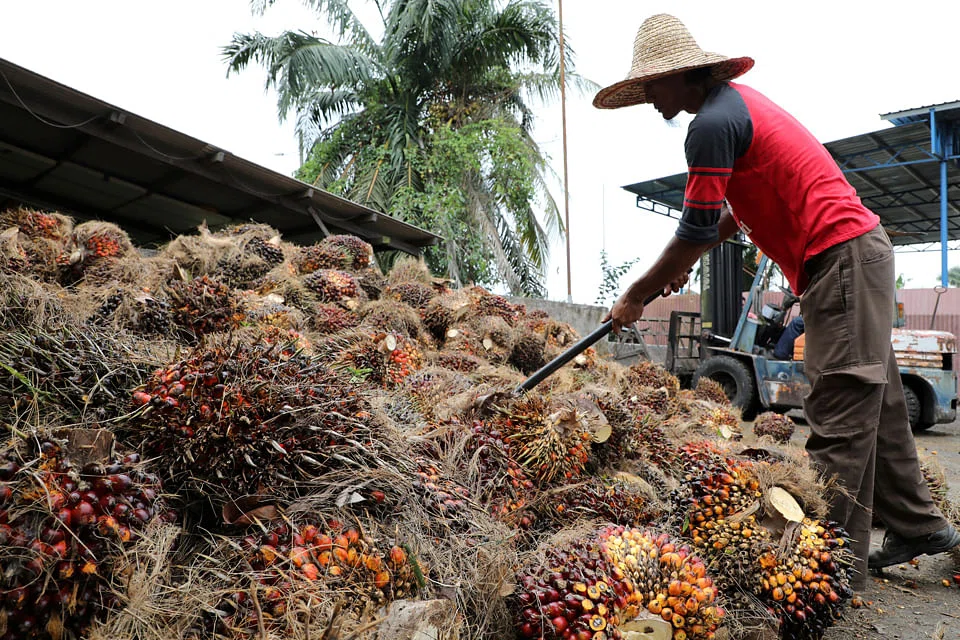
One driver of prices has been the weather, which has been wetter than usual. CPO production typically declines following periods of heavy rainfall, which often leads to flooding and disrupts the harvesting and collecting of fruits in low lying areas. A reduced supply would put palm oil stockpiles at risk, which could drive prices higher.
Head of commodities at Fitch Solutions Aurelia Britsch said the La Niña weather phenomenon, which emerged in September 2020, has been one of the "key drivers behind the recent impressive rally in palm oil", and is expected to carry on into Q1 2021.
A low stockpile due to the wet weather has also been supportive of CPO prices. Analysts have noted that the Malaysian Palm Oil Board's stockpile as at end-December 2020 was at a 13-year low at 1.27 million tonnes, due to weaker production and stronger exports.
"The average palm oil stock level in Malaysia at end-Dec for the past 10 years had been around 2.25 million tonnes," said CGS-CIMB analyst Ivy Ng. "The tight palm oil stockpile level and heavier-than-usual rainfall at some key palm oil regions are likely to be supportive of CPO prices."
On the demand end, DBS analysts noted that demand held firm despite the price spike as importing countries remained focused on food security amid the weather conditions and the Covid-19 pandemic.
These factors had also prompted some analysts to revise their price forecasts upwards as they believed the commodity still had room to climb further.
Fitch analysts have upped their CPO price forecasts "significantly" to an 11-year high of RM3,050 per tonne for this year from RM2,580 previously, while RHB is "in the midst of re-evaluating price assumptions" and now expects prices to remain above the RM3,000 level in Q1 instead of a previous price average of RM2,650 per tonne for 2021.
Moody's, which uses a medium term price range for its projections instead of spot prices, had in November raised its medium-term price sensitivity range for CPO by about 14 per cent to a range with a midpoint of RM2,400 per tonne, up from the previously forecasted midpoint of RM2,100.
Beyond Q1 2021, analysts warn there could be a correction for CPO prices after the wet weather season ends. Stockpiles are likely to recover, they noted.
Ms Ng, for one, is expecting palm oil stocks to rise by 0.8 per cent month-on-month to 1.28 million tonnes by end-January.
"We expect output to be lower due to seasonal factors, as well as heavier-than-usual rainfall in some key palm oil regions. Palm oil exports are projected to decline due to higher CPO price and weaker supply," she added.
Anu Das from S&P Global Platts Agriculture says the "tight fundamentals are likely to start unbuckling", meaning production is likely to start recovering from March this year as yields are likely to increase due to the heavier rainfall.
Although there is still possibility of an undersupply for 2021, she noted that any upside potential to demand could be capped by a surge in Covid-19 cases.
Eyes are also on China and India, who are among the two biggest importers of palm oil. Any decline in imports from either country could have spillover effects on palm oil producers and prices.
Fitch analysts have warned that "uncompetitive (CPO) prices" would cause a fall in import demand from China and India.
With soyabean viewed as a close substitute to palm oil, its relatively cheaper prices have started to win over China.
In addition, China has also reportedly been buying soyabeans to feed its herd of pigs, which could further reduce its palm oil purchases.
With elevated CPO prices in the pipelines for Q1 this year, analysts have identified a few stocks that investors could consider.
UOB Kay Hian has identified First Resources as a stock to watch as it has better fresh fruit bunch (FFB) production growth compared to its peers as most of its estates are located in the Riau region, which has been less impacted by the recent high rainfall.
In addition, the group's downstream operations could mitigate any impact from the higher exports levy that typically takes a cut of the CPO price from upstream players.
DBS analyst William Simadiputra believes palm oil plays in Indonesia are likely to be beneficiaries despite the progressive levy scheme that was imposed on Dec 10.
Under this scheme, the export levies of CPO will be raised to a progressive system of US$55 to US$255 per tonne depending on price levels, compared to the previous flat levy of US$55 on CPO.
Apart from First Resources, Mr Simadiputra said investors should continue to accumulate counters such as Bumitama Agri and London Sumatra. "The upcoming catalysts for these players will be their FY2020 earnings and dividend announcements in February," he noted.
DBS also has a "buy" call on bigger plays like Wilmar International, Sime Darby and Kuala Lumpur Kepong.