

DBS Bank targets 3.5m e-wallet users by 2023
Singapore
DBS Bank aims to more than double its mobile wallet users to 3.5 million by 2023 - up from its current user base of 1.6 million - by pivoting its growth strategy to tap key merchants' large customer base here.
In pushing through more partnerships on the DBS PayLah! platform, the lender is boosting its e-wallet offerings at a time where these so-called "Super Apps" from tech companies are raising the stakes for incumbents in the financial sector.
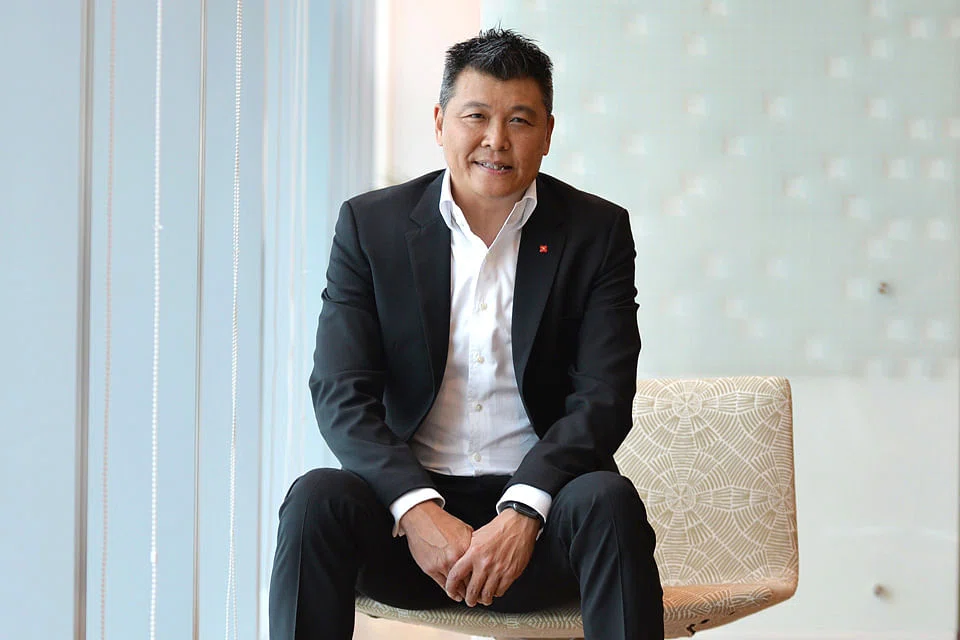
Payments by consumers to merchants via the e-wallet, such as the purchase of movie tickets and insurance plans, have been "growing exponentially" over the past two years, said DBS head of payments and platforms Anthony Seow in an interview with The Business Times (BT).
When DBS PayLah! was launched in 2014, it allowed customers to make peer-to-peer (p2p) fund transfers, but only to and from DBS and POSB accounts, and by having users transfer a limited amount of money from their bank accounts to a separate "wallet".
The environment changed in three short years, with the PayNow service launched in 2017. This is offered by major banks in Singapore so consumers can make P2P transfers using mobile numbers, with users now able to send funds directly to accounts across nine different banks.
Today, DBS's focus is more on payments to merchants, as captured in peer-to-business (P2B) transactions.
Breaking down the figures, DBS told BT that the number of such P2B transactions has equalled P2P transactions despite being rolled out some two years ago, said Mr Seow. The dollar-value of P2B transactions has also jumped more than four times from 2017 to 2018.
This growth is in tandem with the bank's PayLah! user base, which swelled from 600,000 users to the current 1.6 million after P2B services were made available. These users made S$1.5 billion in overall transactions in the last 12 months.
"Knowing what we have lined up, I believe this growth is only scratching the surface," said Mr Seow.
DBS on Wednesday announced that it has signed more than 10 partnerships with lifestyle merchants in Singapore. Users can expect fast food chain KFC, ticketing agent Sistic and AXS coming onboard the PayLah! platform over the next few months.
Ease of payments aside, merchants can potentially house their rewards system and e-coupons on the platform, among other services that contribute to a more seamless customer experience, said Mr Seow.
"These merchants are also our corporate banking clients... with this platform, we can solve problems for a larger customer base, not just PayLah! users," he added.
Over the course of 2020, the bank will also integrate its DBS Lifestyle rewards app into PayLah! and link DBS/POSB debit and credit cards on the platform in a bid to offer more payment options and migrate card users onto the PayLah! platform.
"Stores in shopping malls accept Visa or Mastercard payments 99 per cent of the time. This is the level of ubiquity we want to achieve with PayLah! eventually," said Mr Seow.
He noted that a wider range of services will, in turn, drive down customer acquisition costs. While Mr Seow declined to disclose numbers, he told BT the bank used to offer cash incentives regularly to encourage sign-ups, but has only done so once or twice this year. "Because of our growing use cases, people are just hoping on. It costs us next to nothing to acquire a digital customer now."
That said, while digital customers have become cheaper to acquire, it has also become easier to lose them amid the competition among e-payment players in the market.
But Mr Seow said he expects data mining to give Singapore's largest lender a leg-up on its competitors. DBS can use its extensive customer data base to provide more personalised experiences on the PayLah! platform, he said. "Our next step is to be able to guess what our consumers are looking for."
For example, when users shop for groceries, PayLah! can potentially prompt users what to buy and offer discounts based on their purchase history, said Mr Seow, drawing comparisons to Netflix's AI-driven show recommendations that differ from user to user.
On the integration front, Mr Seow acknowledged that more can be done to reduce friction in the user payment journey. For example, a PayLah! customer that wants to buy movie tickets through the app still has to access a separate webpage hosted by cinema operator Golden Village (GV) and log in with his GV credentials to do so.
"What we have now is not perfect but it's still a good journey and it still solves some consumer pain points," said Mr Seow.
The long-term strategy, he noted, is to improve PayLah!'s existing services in stages. "We want to get the product out there first and iterate gradually, instead of spending too much time and money trying to get a perfect product out," he explained.
The bank's end goal is to deliver a "single-button experience" as Facebook does, that is, enabling PayLah! users to connect with merchants via a one-click log-in.
"When you do good customer journeys, payment becomes invisible. The beauty of e-payments is that the kind of journeys you can create is limitless," said Mr Seow.
TRENDING NOW

Higher rates, weaker spending: Is the Philippines entering stagflation?

Ex-Nvidia CEO misled top lawyer on affair with Chinese businesswoman, sources say

‘I’ll be buying more’: Singapore investors pour into Nvidia shares on Jensen Huang’s exit
Nvidia approaches Arm CEO Haas as employees seek Huang's return, reports say

