

DBS to end 'dirty coal' lending, but resists all-out ban
Singapore
DBS will end financing of projects linked to "dirty coal" by year-end, but is resisting pressure from environmental groups to cut existing lending to build coal-fired plants.
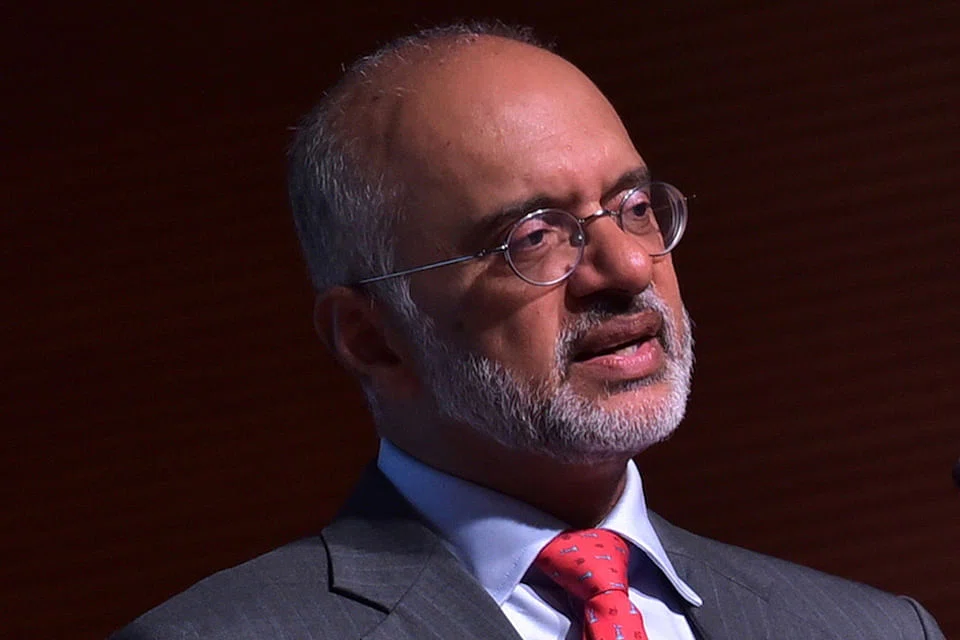
Southeast Asia's most valuable company by market cap will continue to finance projects in emerging markets that burns "higher quality" coal, while simultaneously start building out a portfolio of renewable energy projects to shift the mix of its loans, its CEO Piyush Gupta said at the bank's results briefing on Thursday.
Higher quality coal would typically have lower levels of elements of sulphur and ash, and also can be more efficient when burnt, as compared to "dirty coal".
Mr Gupta challenged the calls from green groups to end all forms of financing for coal-fired plants, saying that coal remains a significant source of fuel to meet energy needs in this part of the world. By 2040, coal will still account for about 40 per cent of the generation mix, said reports.
"In respect of coal, we start with one caveat. We've got to remember that the bulk of energy needs in our part of the world are from coal," said Mr Gupta. DBS has already sewn up a few deals linked to burning such "low-grade" coal, and will not pull out of these loans due to pre-commitment.
"It is important to understand that you can't turn this off. It's not that straightforward an outcome, for either society or the environment. So you've got to be thoughtful about how we transition."
A report by Australian environmental advocacy group Market Forces in January said DBS, OCBC and UOB have financed 21 coal project deals since 2012 worth US$2.29 billion. Of these, more than half were for coal-fired power stations that are mostly in Indonesia and Vietnam. Market Forces said DBS has financed a group of "unlucky 7" coal-fired power plants in Vietnam and Indonesia.
In a January statement outlining its sustainability commitments, DBS said it would, among other things, change its focus to more efficient technologies. DBS's public coal policy is a first for the Singapore banks.
Market Forces said at present, just one of the four plants that DBS financed in developing countries used a form of technology that produces energy at a lower carbon emission rate than other common plants. It did not identify the plant.
GE Power in April last year delivered Southeast Asia's first "ultra-supercritical" coal-fired power plant. According to GE, the plant in Malaysia can generate electricity with lower emissions up to 10 per cent more efficiently than the global average of coal fired power plants. It said in a press statement each additional percentage point in efficiency cuts carbon dioxide emissions by 2 per cent. The technology also lowers plant operating and overall lifecycle costs.
The market is watching the development of "clean coal", which refers to processes to capture and store the harmful carbon dioxide produced from burning coal. But a New York Times report said power plants using such technology would cost 75 per cent more than the usual coal plants.
READ MORE:
TRENDING NOW

He built the Vingroup empire. Now South-east Asia’s richest man is handing some key roles to his sons

Despite the de-dollarisation debate, demand for dollar liquidity in Asia is growing
Can a first-time homebuyer couple earning S$18,000 a month afford a new EC unit?
Asia needs new energy security architecture

