DBS flags 13,000 employees for upskilling, reskilling amid job cuts
The lender says its permanent staff across all its markets will not be affected by the reductions

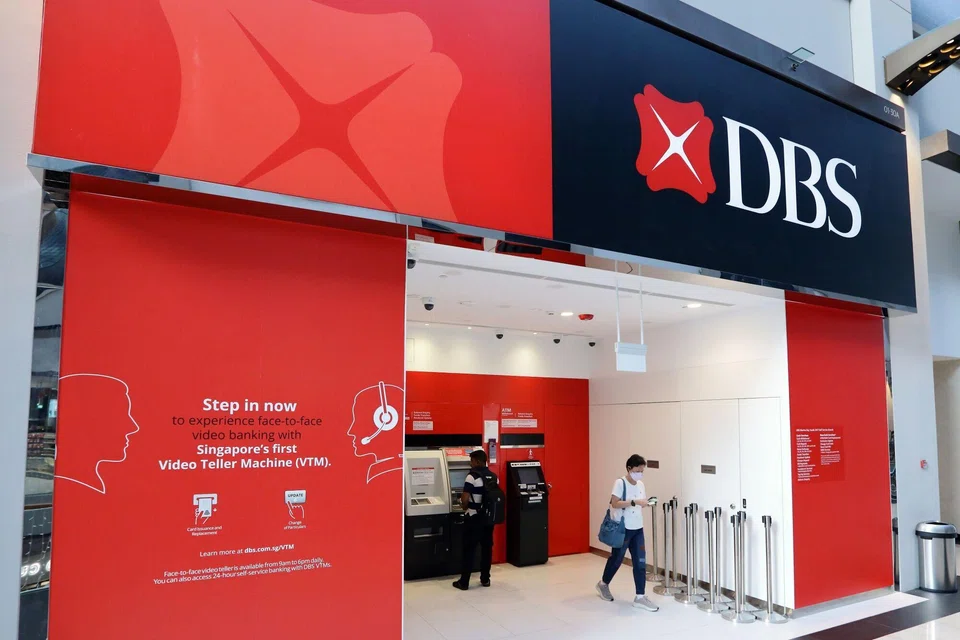
DBS has identified 13,000 employees that require upskilling or reskilling, in order to enable them to be future-ready, it said on Tuesday (Feb 25).
To date, more than 10,000 staff have commenced their respective learning road maps, which include skills related to artificial intelligence (AI) and data, said the bank.
This comes after Bloomberg on Monday reported that the lender plans to cut about 4,000 of its contract and temporary staff over the next three years, as AI increasingly takes on roles carried out by human beings.
DBS has around 8,000 to 9,000 of such staff, according to the report.
“Over the next three years, we envisage that AI could reduce the need to renew about 4,000 temporary/contract staff across our 19 markets working on specific projects,” a bank spokesperson told The Business Times.
“We will continue to invest in upskilling and reskilling our employees to enable them to be future-ready.”
Permanent staff across all its markets will not be affected by the cuts, DBS said.
The bank’s 2023 annual report indicated that it had around 40,000 employees on its payroll, including permanent and contract or temporary staff.
Meanwhile, OCBC said it continues to watch out for talent “who can add value to the team and who are also the right fit for the bank”, in response to separate queries about job reductions and cost management.
The lender’s head of group human resources, Lee Hwee Boon, said: “Our recruitment activities across the different divisions in the bank are in line with our identified areas of growth, and hiring activities are carried out when the need arises.”
As for UOB, chief executive Wee Ee Cheong said the bank intends to use AI to supplement productivity and streamline processes. It is trying to upskill its workforce to channel staff into high-growth areas.
“Productivity to me is about streamlining processes,” the CEO said at the lender’s fourth-quarter results briefing on Feb 19. “Cutting costs sounds negative, but at the end of the day, it’s still the process that we have to improve.”
Last August, UOB’s group chief financial officer Lee Wai Fai also said the bank will move some of its back- and middle-office functions to Malaysia, mainly in capital city Kuala Lumpur, to manage costs.
He said that offshoring was always an option because of the high costs in Singapore, although the lender remains mindful of the quality of labour.
He noted that UOB had already started offshoring its operations some years ago, and it will accelerate the move, which includes centralising its card centres.
It will also look at other areas, such as compliance, where it can create models in Singapore and run them from Kuala Lumpur for operational efficiency.
TRENDING NOW
Genting Singapore trails MBS, but helps anchor Malaysian parent group’s finances
He built the Vingroup empire. Now South-east Asia’s richest man is handing some key roles to his sons
CDL to invest S$5 billion, target S$6 billion divestments under refreshed strategy
Stocks to watch: CDL, Centurion, Oiltek, Geo Energy Resources