Dividend-yielding banks, Reits to gain in near term from MAS review group initiatives
Quality mid-cap companies could also see higher interest, liquidity

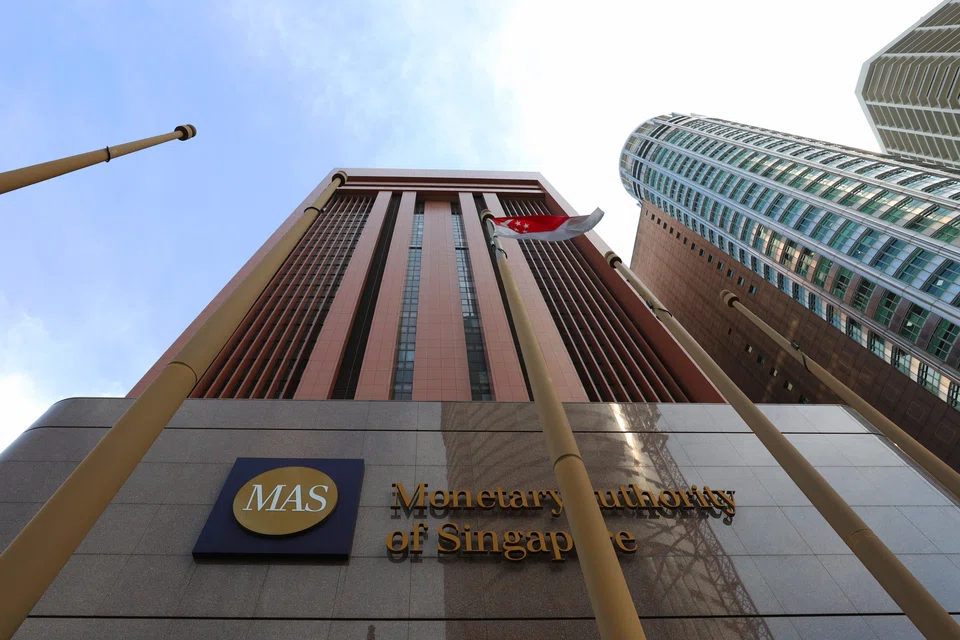
DIVIDEND-PAYING players such as banks and real estate investment trusts (Reits) may gain in the near term from the first set of measures by the Monetary Authority of Singapore (MAS) to revitalise the local stock market, analysts said.
DBS, UOB and OCBC, which pay strong dividends, may see more allocations from new applicants to Singapore’s Global Investors Programme (GIP), given that these investors typically allocate to interest-earning asset classes, said Citi analyst Tan Yong Hong.
The Singapore banks can also become near-term defensive plays, against foreign exchange and earnings uncertainties among other regional banks, he added.
On Friday (Feb 21), the MAS review group announced that it will inject S$5 billion into a programme for fund managers to invest in Singapore equities in a bid to boost liquidity.
Among other moves, it also mandated new GIP applicants to allocate at least S$50 million of their assets under management to equities – excluding Reits and business trusts – listed on Singapore-approved exchanges, when they set up their family offices.
Previously, this capital could be spread across equities, Reits, private equity in Singapore-based businesses and other asset classes.
Paul Chew, head of research at Phillip Securities Research, said that GIP flows will likely gravitate to the safest and highest dividend-yielding investments such as banks, even though it may be speculative to ascertain the possible inflows.
“It is part of the investment objective to preserve the wealth of the investor and other beneficiaries,” he added.
Thilan Wickramasinghe, head of Singapore equities research at Maybank Securities, believes measures such as the S$5 billion boost for fund managers could also benefit high-quality Reits. These include CapitaLand Integrated Commercial Trust, CapitaLand Ascendas Reit and Mapletree Industrial Trust, he said.
He also expects flows to the Singapore Exchange, the banks and brokers, as well as high-quality semiconductor plays.
Overall, analysts said higher-quality, mid-cap names are likely the biggest beneficiaries of the measures.
Phillip’s Chew said that the MAS programme is skewed towards non-index equities, which should benefit small to mid-cap stocks through greater interest and liquidity.
For Chua Jen-Ai, Asia equity research analyst at Julius Baer, given that early outperformers in Japanese and South Korean equity market reforms were liquid and quality companies that led peers in shareholder value, companies in Singapore with a similar profile will likely benefit.
Meanwhile, Lorraine Tan, Morningstar’s director of equity research for Asia, noted that MAS highlighted that the funds should have a broader mandate to look at a variety of companies.
“(This) implies that it prefers those which are not solely focused on large-cap, well-followed companies,” she said.
Yet, recent listings in Singapore are relatively small and illiquid, limiting interest and valuation, she added.
“Ultimately, fund managers have to ensure their stock picks outperform. Nonetheless, the additional injection of liquidity could boost confidence in smaller-cap names,” she noted.
*This story has been updated to reflect a source clarification that Reits and business trusts are excluded from the revised GIP Option C for family offices.