

Dollar drops as unemployment rate rises, wage gains slow
 Add BT as a preferred source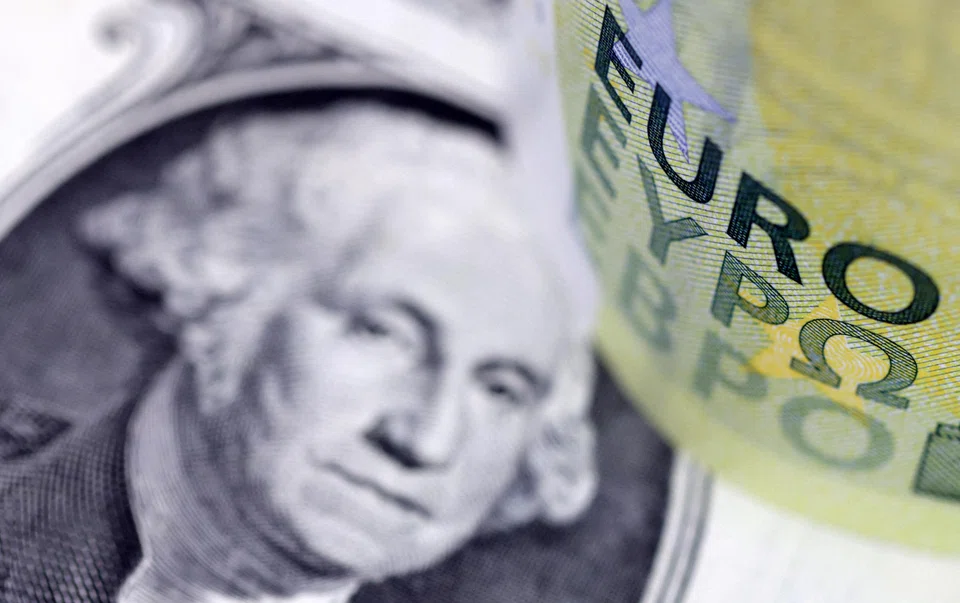
THE dollar fell against the euro and Japanese yen on Friday (Sep 1) after the US economy added more jobs than expected in August, though a rise in the unemployment rate to 3.8 per cent and moderation in wage growth pointed to easing labour market conditions.
Employers added 187,000 jobs in August, above expectations for a 170,000 gain. The unemployment rate rose to 3.8 per cent, above the expected 3.5 per cent. Average hourly earnings rose by 4.3 per cent for the year, below expectations for a 4.4 per cent gain.
Data for July was also revised lower to show 157,000 jobs added instead of the previously reported 187,000. “Today’s jobs report provides investors the best of both worlds. It’s the labour market softening just enough to keep the Fed at bay while it’s strong enough to prevent an economic recession,” said Michael Arone, chief investment strategist at State Street Global Advisors in Boston.
The dollar index was last down 0.18 per cent at 103.42. The euro rose 0.18 per cent to US$1.0862. The greenback fell 0.56 per cent to 144.725 Japanese yen, and got as low as 144.44, the lowest since Aug 11.
Fed funds futures traders are now pricing in a 93 per cent likelihood that the Federal Reserve will leave rates unchanged at its September meeting and see only a 35 per cent chance of a hike in November, according to the CME Group’s FedWatch Tool. REUTERS
Decoding Asia newsletter: your guide to navigating Asia in a new global order. Sign up here to get Decoding Asia newsletter. Delivered to your inbox. Free.
Share with us your feedback on BT's products and services
TRENDING NOW

ComfortDelGro’s Zig to buy S$10 million worth of BYD cars for private-hire fleet

From sales executive to DBS chairman: A look at banking veteran Peter Seah’s career

Japan Home licenses Singapore retail stores to Valu$ owner Radha Exports

Japan Home closing outlets; staff say Valu$ taking over operations

