Dollar up, risk currencies recover from Omicron fears
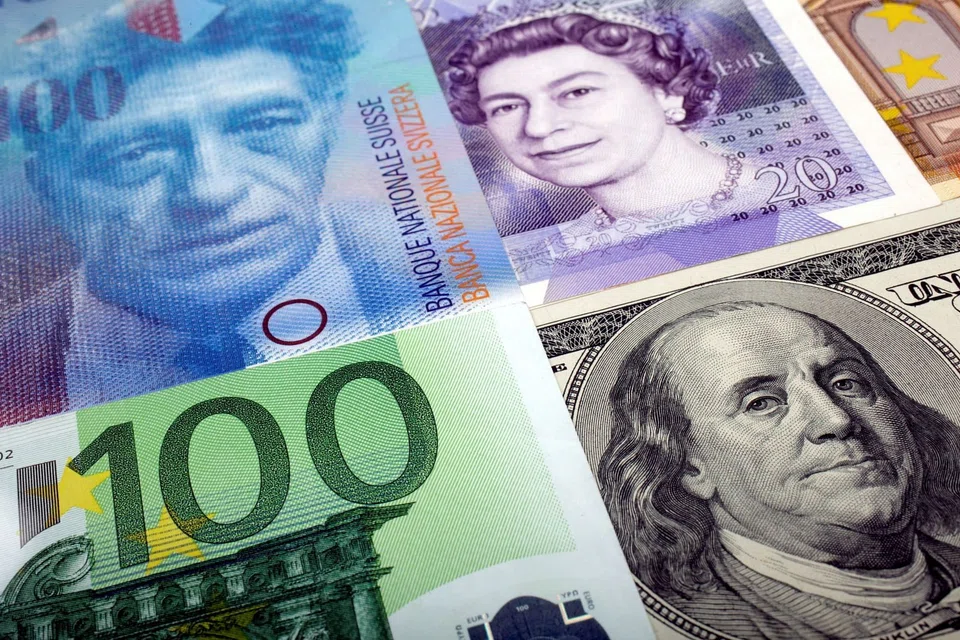
London
THE US dollar steadied on Wednesday (Dec 1) and risk appetite recovered somewhat, but euro-dollar volatility remained elevated as investors weighed up hawkish comments from the Federal Reserve and risks relating to the Omicron variant.
The dollar rose on Tuesday after US Fed Chair Jerome Powell said that the risk of inflation had increased and signalled the central bank may accelerate its bond buying taper at its meeting later this month.
At 1147 GMT, the dollar index was little changed overall on the day at 95.940. In November, it had its strongest month since June.
Global stock markets and riskier currencies recovered some of the previous session's losses as investors bet that the Omicron variant - which has prompted countries to impose new travel restrictions - would not derail the economic recovery.
But in currency markets, volatility remained elevated. One-month euro-dollar volatility gauges hit their highest so far this year on Monday.
ING strategists wrote in a client note that euro-dollar volatility has jumped as the Omicron variant is seen as positive for the euro (because it could slow the Fed's tightening), while Powell's remarks (suggesting inflation is the Fed's primary concern) are seen as negative for the euro.
The euro was down 0.1 per cent on the day at US$1.1322 at 1201 GMT.
On Tuesday, a warning from drugmaker Moderna that existing vaccines are unlikely to be as effective against the Omicron variant as they are against other strains, led to a surge of interest in safer assets.
Later, BioNTech's chief executive struck a cautiously positive note, saying the vaccine it makes in a partnership with Pfizer would likely offer strong protection against severe disease from Omicron.
Sterling, considered a risk currency, was up 0.2 per cent at US$1.33175, after fears about whether the vaccine will work against the Omicron variant saw it fall to its lowest level since December in the previous day.
The Australian and New Zealand dollars also made gains, carrying them up from 1-year lows, after losses last week and on Tuesday. The Aussie was up 0.3 per cent at US$0.7149 and the kiwi was up 0.3 per cent at US$0.6842.
The Chinese yuan, a beacon of resilience in a turbulent few days, touched a 6-month high of 6.3596 per dollar after better-than-expected manufacturing data from November. REUTERS
Decoding Asia newsletter: your guide to navigating Asia in a new global order. Sign up here to get Decoding Asia newsletter. Delivered to your inbox. Free.
Share with us your feedback on BT's products and services