E-commerce boom to benefit Apac logistics players
There are new challenges with costs and quality of service; analysis firm suggests these could be mitigated by moving inventory into multiple markets, closer to where demand is

Singapore
ASIA-PACIFIC'S logistics expenditure is estimated to log a compound annual growth rate (CAGR) of 6.5 per cent between 2020 and 2024, according to Transport Intelligence (Ti).
The UK-based research and analysis company estimated that spending amounted to nearly 2.6 trillion euros (S$4.2 trillion) in Asia-Pacific in 2020, accounting for 45 per cent of global logistics.
In particular, the region's e-commerce logistics market grew 22 per cent in nominal terms in 2020. Valued at 153 billion euros, it was the largest regional e-commerce logistics market. It accounted for 41.6 per cent of the global market, according to reports by Ti.
Singapore's e-commerce logistics market was valued at 518 million euros, up 63.4 per cent in 2020. The Republic's nominal CAGR might be 10.2 per cent between 2020 and 2025, when its value might reach 840 million euros.
Cross-border e-commerce is gaining traction as well. Across the world, the demand for foreign goods is surging. Online cross-border sales registered a 21 per cent spike in growth during the first half of 2020, said Ti.
The continued growth of e-commerce presents an attractive opportunity for logistics providers, particularly as many consumers adopt e-commerce permanently even after the pandemic ends.
There are, however, new challenges with costs and quality of service.
Ti suggested these could be mitigated by moving inventory into multiple markets, closer to where demand is.
At the same time, governments and companies are also reviewing and strengthening their supply chain resilience by diversifying production and sourcing, as well as giving re-shoring and just-in-case production a serious thought.
The shift from just-in-time to just-in-case bodes well for logistics providers and industrial property players that lease out space for holding just-in-case buffer stocks.
Just-in-time models usually have little stock holding to improve efficiency, but the low levels of inventory make the business vulnerable to mis-delivery, damage of goods in transit or late delivery.
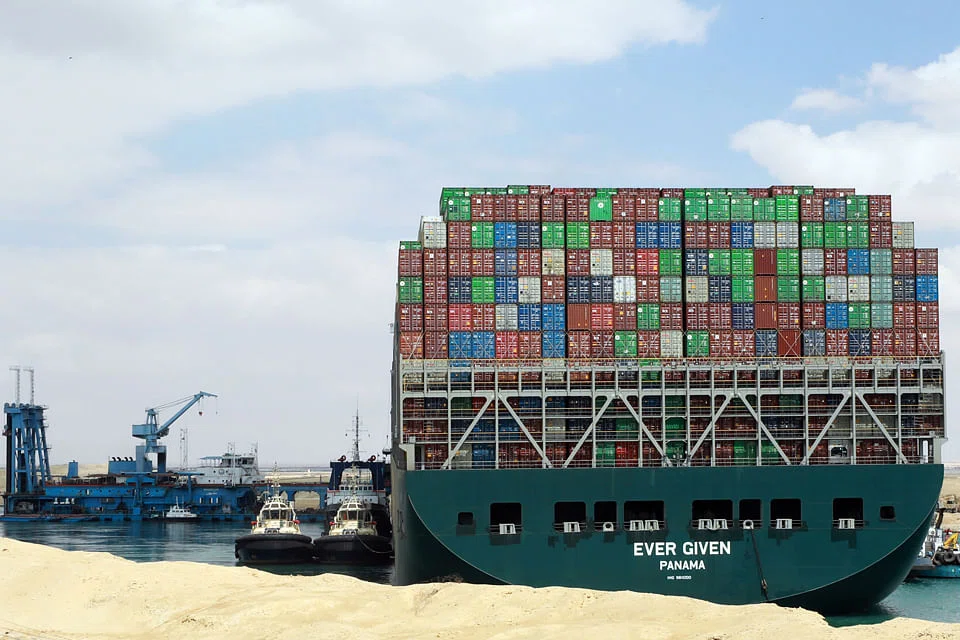
The recent Suez Canal blockage has further reinforced the case for the shift away from just-in-time supply chains to a just-in-case model.
Ti has also noted manufacturers adopting strong "Chinaflight" over the past five years, relocating their factories to Thailand or Vietnam due to the trade war between the United States and China, with higher labour costs in mainland China a contributing factor as well.
"The implications of these supply chain trends are considerable. In terms of the global logistics market, it might be suggested that it will result in growth in South-east Asian ports, shipping lanes and air freight operations, as well as growth in South-east Asian logistics property and infrastructure," stated Ti.
It also has noted that air freight tended to be the mode of transportation for manufacturers to ship high-value, high-demand goods. But high freight rates as a result of reduced capacity from the grounding of passenger fleets has led original equipment manufacturers (OEMs) to turn to slower but relatively cheaper ocean freight.
These factors have all combined to create a positive environment for many companies operating along the logistics supply chain.
Singapore does not have that many listed logistics players. Among the few listed here are Singapore Post, which has freight forwarding and e-commerce services; container shipping company Samudera Shipping; and logistics groups Chasen Holdings and GKE Corporation.
But industrial landlords and real estate investment trusts (Reits) are also possible proxies if investors want to ride on the e-commerce boom.
Jefferies analyst Krishna Guha told The Business Times that he thinks demand for local warehousing is likely to go up as e-tailers who are currently importing small packets now from overseas to keep the invoice below S$400 are more likely to increase the amount to benefit from economies of scale, when online purchases get taxed.
"The inventory will need storage space. Further, they may change shipping mode, from air freight to ocean freight, to save on shipping costs. With increase in shipping time, it should lead e-tailers to keep higher levels of inventory closer to demand.
"Finally, if the price gap between online and offline channels becomes small, e-tailers will want to compete on service levels such as 24-hour fulfilment, which again will require keeping a higher level of inventory," commented Mr Guha.