Agri commodities risk long-term supply, price pressures amid climate change, food insecurity

AGRI commodities such as soybeans, corn, rice and wheat could risk higher volatility and uncertain supply in the longer term, amid intensifying climate change risks and global food insecurity.
For a start, such commodities are sensitive to extreme weather conditions. High temperatures with dry conditions for a prolonged period of time could wipe out crop harvests, while cold temperatures or frost could stall harvests as well.
Such effects are already present, and are likely to get worse, market watchers said.
All crops face significant exposure to environmental risks,” said Darren Stetzel, vice-president of soft commodities for Asia at financial services group StoneX.
Rising temperatures, he said, continue to be “a major source of fear” for the soybean supply chain in particular. Increasing greenhouse gas emissions must also be managed by suppliers or they will need to start considering alternative and more sustainable crops, he said.
Analysts at Fitch Solutions unit BMI said in a report that global agriculture will face “considerable challenges” through to 2050 amid the likes of changing climate and population growth, which will in turn “pose an acute threat to global and regional food security”.
“While the impact of climate change on agricultural production will be inconsistent, with some areas more vulnerable to factors such as higher temperatures and rising sea levels, the increasingly connected nature of the global food system will see negative supply shocks and price volatility propagated around the world,” the analysts said.
BMI analysts said a one-degree increase in the average global temperature will result in wheat yields declining between 4.1 per cent and 6.4 per cent. This is equal to 15 per cent of global wheat yield gains since 1990.
Climate change will also see an increase in the frequency and severity of extreme weather events, such as drought and flooding, which will result in more volatile agricultural markets, the analysts noted.
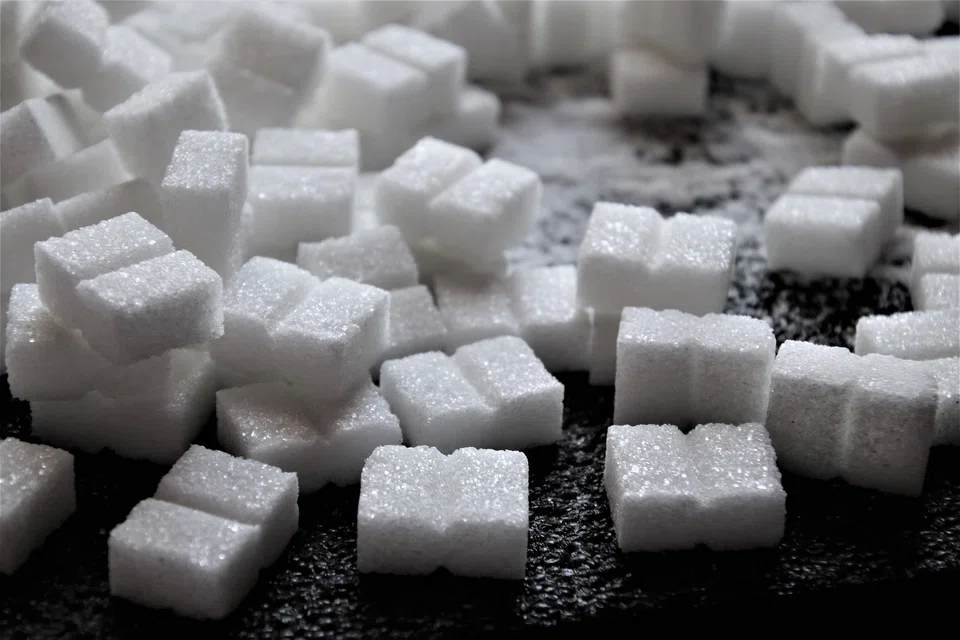
StoneX’s Stetzel reckons cocoa and sugar are likely to be the least impacted. Sugar consumption is supported by the increasing use of ethanol – a by-product in sugar production, while global chocolate consumption is large enough that a modest increase in demand shouldn’t raise prices too much.
“An increase in global cocoa demand wouldn’t be a major shock,” he said.
But others had different views. Willis Oduor, head of research at commodities trading and data company Kulea, said sugar could see one of the biggest price increases on the back of “long-term systemic stresses” such as climate change, population growth and other pressures on both demand and supply fronts.
Heightened volatility in the agri commodities space might also push more countries to turn to protectionist measures in a bid to safeguard their own agricultural produce, BMI analysts said.
To recap, Malaysia announced a chicken export ban in May last year due to a shortage in domestic supply, while Indonesia in late April last year implemented a three-week-long palm oil export ban and other intervention measures amid a shortage to its domestic cooking oil supply.
The agriculture sector, like other industries, is also under pressure to shift to more sustainable practices.
BMI analysts said the global food system is the “primary driver” of biodiversity loss, water eutrophication and deforestation, while also accounting for one third of all anthropogenic greenhouse gas emissions.
They argued that to date, the agribusiness space has “flown under the radar when it comes to emission reduction plans”. But analysts believe this could change as stricter rules around fixed emission targets and novel technologies such as green fertiliser are formed.
“The confluence of climate change and global population growth will challenge the current structure of modern agriculture, requiring that the system produces more with less impact if food security is to be maintained without compromising the environment,” the analysts said.
Biofuel is also another area where agri commodities such as corn and sugar are being allocated to.
However, StoneX’s Stetzel said that as these crop-based fuel sources become more profitable, there will be a challenge to redirect that crop flow “away from fuel and back toward the mouths of those who need it”, which could heighten the food insecurity conundrum even more.
But a greater focus on fertiliser types could buffer the agriculture industry from volatility, he said.
“The crop production process also relies heavily on fuel-based fertilisers. Greater focus on alternative sources of fuel could protect food prices from large price swings in the oil and gas market, while at the same time supporting demand growth in the wider agriculture sector,” Stetzel said.