Agri-commodity prices could ease in 2024 but analysts warn volatility, uncertainty remain

AFTER about three years of turbulence in the agricultural-commodities sector, observers said there could be some easing in prices of key commodities in 2024.
However, the sector is likely to continue to be plagued by volatility, due chiefly to uncertainties around weather conditions, production levels and geopolitical tensions.
According to market watchers, the prices of key food staples – sugar, coffee, corn and soybeans – are likely to decline next year.
Analysts at Fitch Solutions unit BMI, for example, are expecting the dissipation of the shock of the Russia-Ukraine war, lower on-farm production costs and bumper harvests to yield a “continued easing” of agricultural crop prices in 2024.
But BMI’s analysts warned that prices of agri commodities are likely to remain historically elevated.
Nonetheless, Rabobank’s head of agri commodities Carlos Mera believes the new year could likely bring about a “semblance of normality” to the agri-commodity market.
He expects demand to remain weak as consumers continue to deal with economic challenges, including high inflation and interest rates. Demand growth will also likely be capped by weaker economic growth and the risks of a recession in 2024.
“Winners and losers will emerge as agricultural commodities go through different points of the cycle next year,” Mera said.
Wheat, for one, will be subject to weather-related disruptions and potential restrictions on Russian exports, despite large volumes being produced and are in storage in the country.
Mera noted that Brazilian farmers are expecting to see a record soybean production crop in 2024 as the La Nina weather phenomenon gives way to El Nino. A return to normalcy in Thailand’s conditions could also bring sugar prices down more quickly than current forecasts.
Agri-commodities futures are a mixed bag for the year, as at Dec 21. Cocoa and the Robusta coffee variant are among the top advancers, booking gains of 70.9 per cent and 72.2 per cent, respectively. On the other end of the spectrum, corn and wheat are the biggest decliners with falls of 30.8 per cent and 25.5 per cent, respectively.
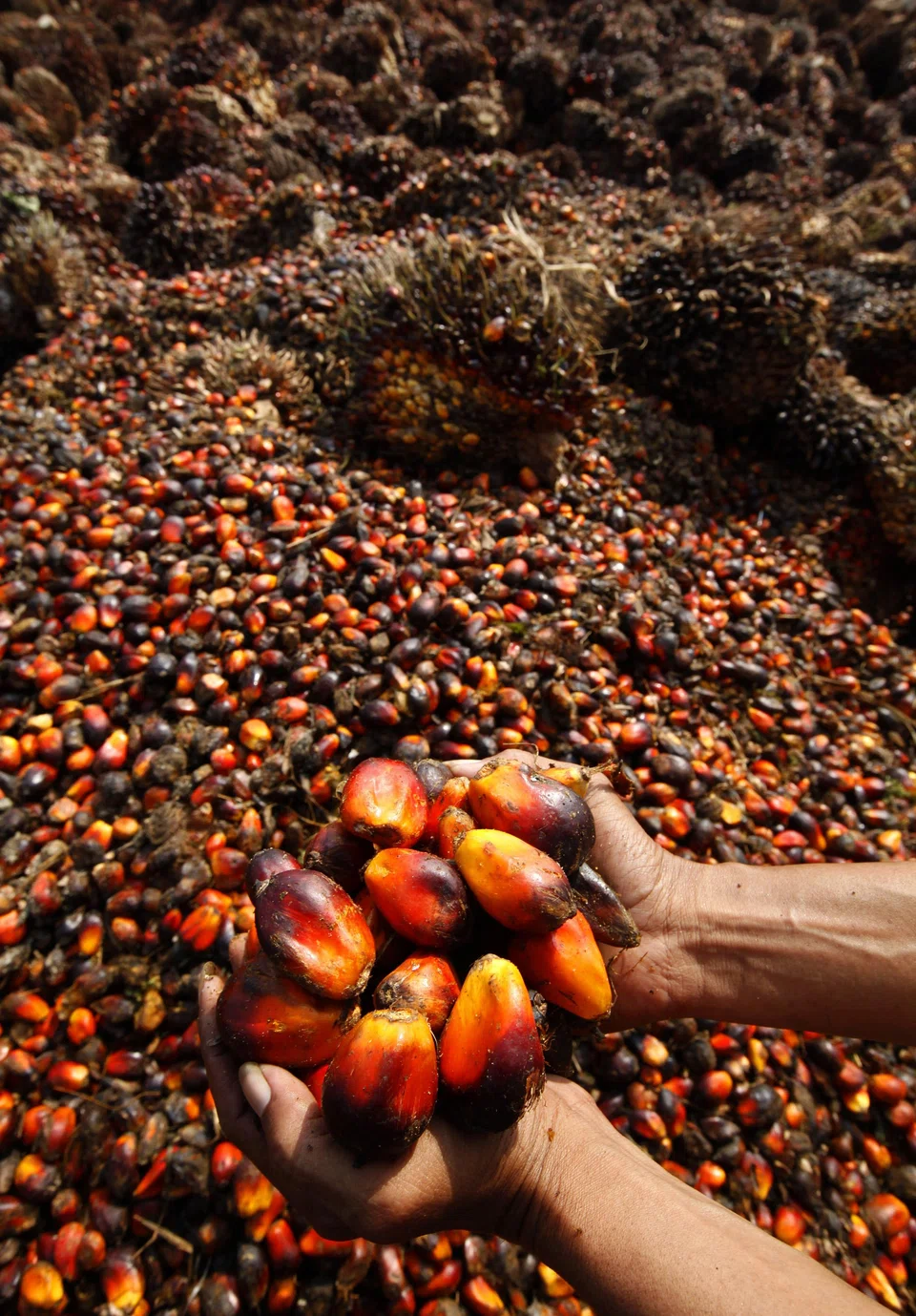
Palm oil is also down so far this year, with a drop of 7.1 per cent. This has, in turn, crimped margins for regional palm oil players and put pressure on their profits and revenues.
Darren Stetzel, vice-president of soft commodities for Asia at financial services group StoneX, noted that a major concern for agri commodities continues to be the El Nino weather phenomenon.
Hot and dry weather conditions will result in lower production in West Africa, which could mean cocoa and sugar prices may be affected.
“This year has been a shock to the system with huge increases in sugar and cocoa prices reaching a 46-year high,” said Stetzel, noting that the most recent cocoa grind has shown that demand is slowing. This could keep prices capped for now.
“It is still too early to predict the pattern next year amid the record-high prices and supply issues. There also remains a high degree of uncertainty in the macroeconomic environment as central banks continue to try to curb inflation,” he added.
Stetzel said higher sugar prices could be likely in the near term, as the market eyes the Brazil sugar and ethanol parity.
“Brazil emerges as the go-to stop gap for sugar supply, but it cannot cover the entire deficit without India and Thailand also increasing their output,” he said.
On the flipside, coffee prices may get a reprieve next year after their highs in 2022 on the back of the Brazilian frost. The country’s supply is expected to continue to rise gradually and should start to make an impact in early to mid-2024, which could help to stabilise prices, said Stetzel.
He added that funds continue to hold long positions in the entire agriculture space, which is enhancing market uncertainty.
“This will undoubtedly maintain the price premiums in soft commodities, but there could be an opportunity to take profits at some stage next year, which could ultimately trigger some bearish sentiment in commodity markets,” Stetzel said.
“But when the bears will arrive is the million-dollar question.”