Asian, European buyers in hot pursuit of US crude as wars escalate
The commodity sees high demand, with May American oil exports at a record 5.66 million barrels a day
 Add BT as a preferred source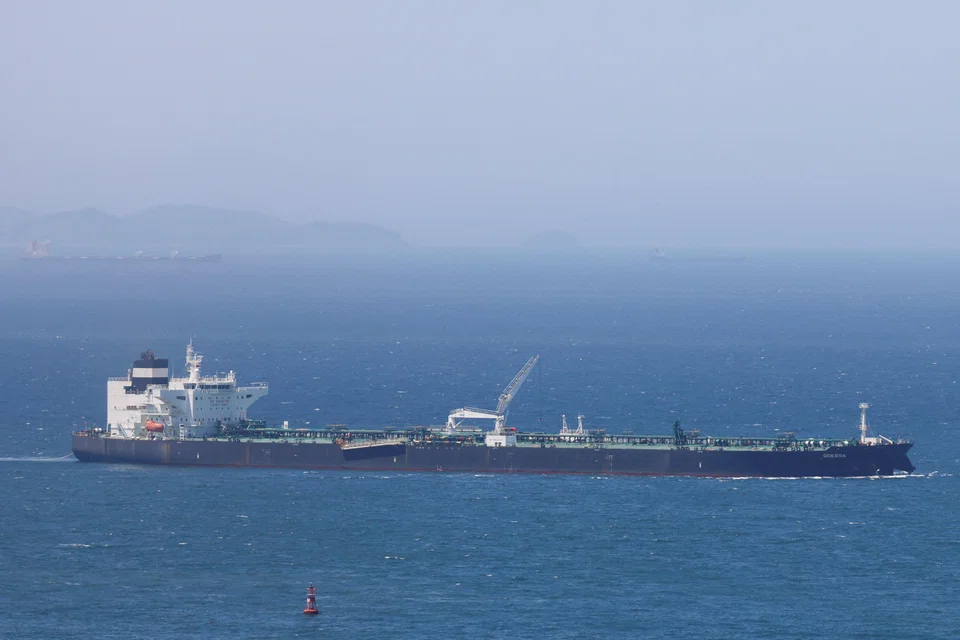
AN UPTICK in Asian and European demand for US crude is among the first signs of mounting concerns over adequate oil supplies amid multiplying geopolitical flashpoints.
Attacks against two Saudi oil tankers by Iran-backed Houthi rebels in the Red Sea added a new layer of volatility to the Iran conflict, sending the international benchmark above the US$100-a-barrel mark.
Meanwhile, Kazakhstan reduced oil output after Ukrainian drone attacks on Black Sea shipping, prompting buyers to seek out similar grades of crude that include supplies from the Permian Basin.
On the domestic front the stakes are high because a full-fledged return to breakneck US crude exports would ultimately increase pump prices for consumers and aggravate inflation in the run-up to the US midterm elections.
On Thursday (Jul 23), West Texas Intermediate (WTI) oil for September loading flipped to a per-barrel premium of about US$5 to the worldwide benchmark along the US Gulf Coast, according to traders. That compared to a US$2 discount a day earlier.
Some Asian buyers are taking the unusual step of securing last-minute cargoes that will load in a matter of weeks.
Others are holding out hope that oil-laden tankers will manage to slip through the danger zones around the Strait of Hormuz and the Red Sea by turning off transponders.
In a classic sign of surging price volatility, ExxonMobil and oil trader Petroineos withdrew bids for WTI Midland at premiums of US$6.75 a barrel and US$6.55, respectively, in the European market.
US crude has been in high demand since the US and Israel initiated the Iran conflict in late February because the country is nowhere near the war zone.

In May, American oil exports surged to a record 5.66 million barrels a day, data from Kpler show, underscoring the nation’s role as supplier of last resort.
Such outbound shipments have eased recently after the brief reopening of Hormuz allowed tankers trapped in the Persian Gulf to sail to Europe and Asia.
The production curbs in Kazakhstan, a traditional supplier to refiners in the Mediterranean and Northwest Europe, has made WTI more competitive in those regions, according to Sparta Commodities.
The disruption, however, is likely temporary, meaning that the pull of US barrels could be short-lived.
The uptick in demand comes amid dwindling US crude inventories. US commercial oil stockpiles are near an eight-year low while the nation’s emergency reserve is at a level not seen since 1983. BLOOMBERG
Decoding Asia newsletter: your guide to navigating Asia in a new global order. Sign up here to get Decoding Asia newsletter. Delivered to your inbox. Free.
Share with us your feedback on BT's products and services