

Asian LNG prices set to rise after Russia-Ukraine transit ends
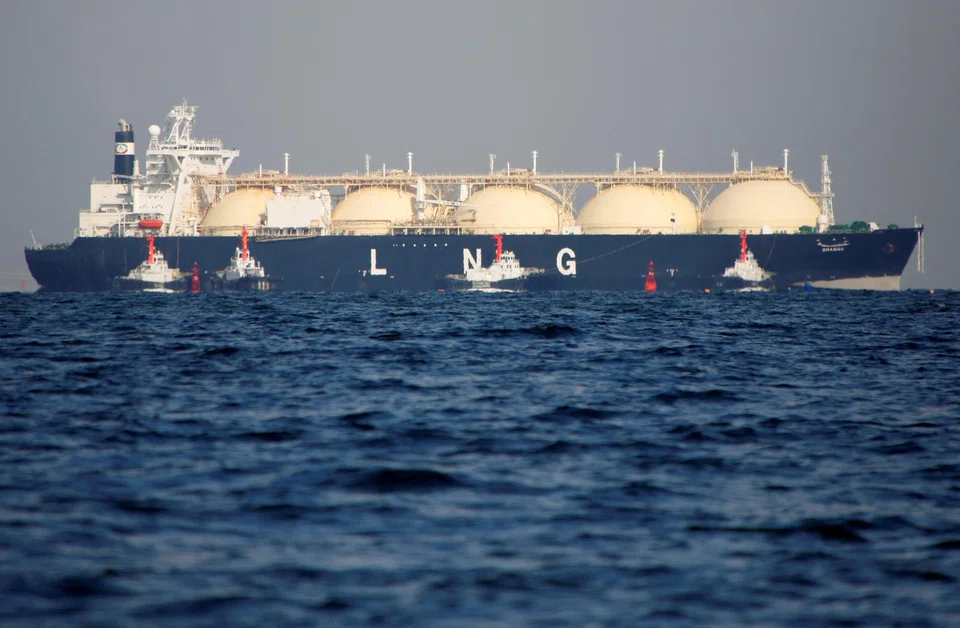
THE end of Russian natural gas flows to Europe via Ukraine is likely to boost competition with Asia and prices for alternatives.
Ukraine hopes increased supply of gas from the US and other producers to Europe will make prices more comfortable, President Volodymyr Zelensky said on Wednesday (Jan 1). Russia’s invasion of its neighbour in February 2022 sparked an energy crisis in Europe that led to a jump in regional benchmarks and international liquefied natural gas (LNG) prices.
“This is going to further tighten the LNG market,” Scott Darling, a managing director at Haitong International Securities, said on Thursday. “We think this year and possibly next year is a tight market. Supply, particularly for LNG, is tight, and we see more upside risk to spot LNG prices this year and next.”
Gas flows from Russia to Europe via Ukraine halted on Wednesday, bringing to an end more than five decades of the key conduit for the region. While the move was expected after months of political wrangling, Europe will still have to replace about 5 per cent of its gas and may rely more heavily on storage, which has fallen below average levels for the time of year.
Prices rose in anticipation of the cut-off, with Europe’s gas benchmark closing 2024 up more than 50 per cent. Those gains have not yet been fully reflected in the cost of the normally more expensive LNG that nations including Japan and South Korea are heavily reliant on. BLOOMBERG
Decoding Asia newsletter: your guide to navigating Asia in a new global order. Sign up here to get Decoding Asia newsletter. Delivered to your inbox. Free.
Share with us your feedback on BT's products and services
TRENDING NOW

Once staunchly pro-China, Malaysian Chinese businesses are now distancing themselves from Beijing

Looking beyond looming CEO succession, should UOB potentially pursue a transformative merger?

Could stablecoins be the future of money?

Grab CEO’s wife Chloe Tong on life with Anthony Tan and finding her purpose

