

BP promises another US$1.5b buyback as profit soars
 Add BT as a preferred source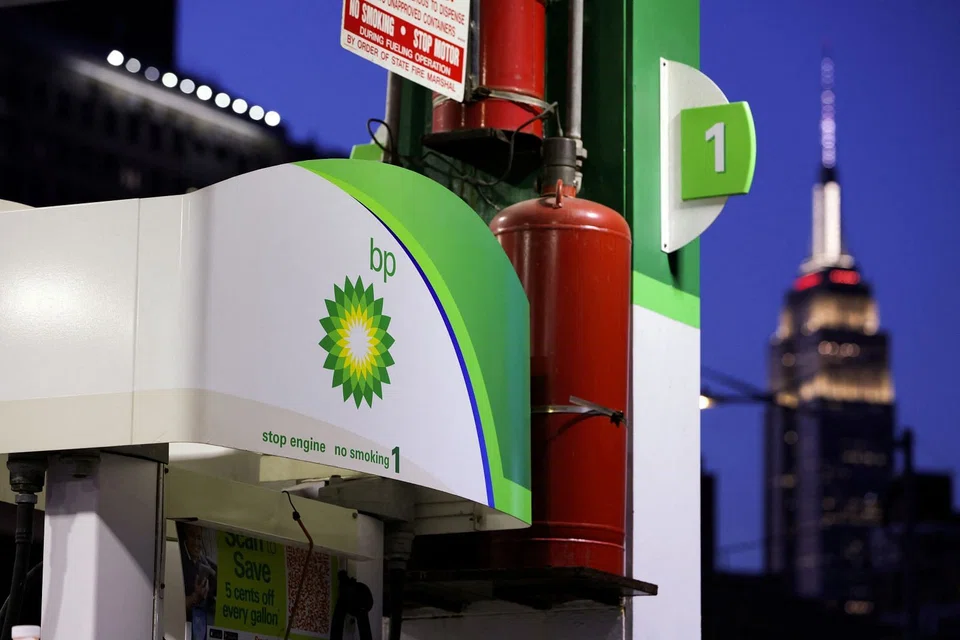
[LONDON] BP boosted share buybacks after surging oil and gas prices lifted profit to the highest in almost a decade.
The London-based company followed its big oil peers Exxon Mobil, Chevron and Shell, all of which are pouring money back to investors after years of paltry returns. BP will repurchase another US$1.5 billion of shares using surplus 2021 cash flow before it announces first-quarter results later this year.
"We've strengthened the balance sheet and grown returns," chief executive officer Bernard Looney said in a statement on Tuesday. "We've made strong progress in our transformation to an integrated energy company."
Adjusted net income was US$4.07 billion for the period, up from US$115 million a year earlier and beating the average analyst estimate of US$3.87 billion. Operating cash flow was US$6.12 billion, compared with US$2.27 billion a year earlier.
The results show how far BP has come since the start of the pandemic, having paid off more than US$8 billion of net debt over the past year and also increased its dividend. The company also pledged to moderately increase investments, albeit from a historically low level.
Capital expenditure will be between US$14 billion and US$15 billion this year, up from US$12.8 billion in 2021, and remain around that range until 2025. By then, BP plans to devote more than 40 per cent of its investments into energy-transition businesses. The company also said it could achieve net-zero emissions sooner than its 2050 target. "The past two years have reinforced our belief in the opportunities that the energy transition presents," said Looney. BLOOMBERG
Decoding Asia newsletter: your guide to navigating Asia in a new global order. Sign up here to get Decoding Asia newsletter. Delivered to your inbox. Free.
Share with us your feedback on BT's products and services
TRENDING NOW

When every phone becomes a satellite phone, what happens to Asia’s telcos?

Jardine C&C selling Singapore, Malaysia dealerships to Indonesia’s Chandra Asri for US$221 million gain
Digital Realty, STT GDC among data centre operators awarded 50 MW of new capacity in Singapore

Upbeat outlook for CDL, UOL after strong H1 earnings

