

BP’s Q2 profit more than doubles to over US$5 billion after Iran war oil surge
The energy group has raised its dividend for the quarter to US$0.866 a share
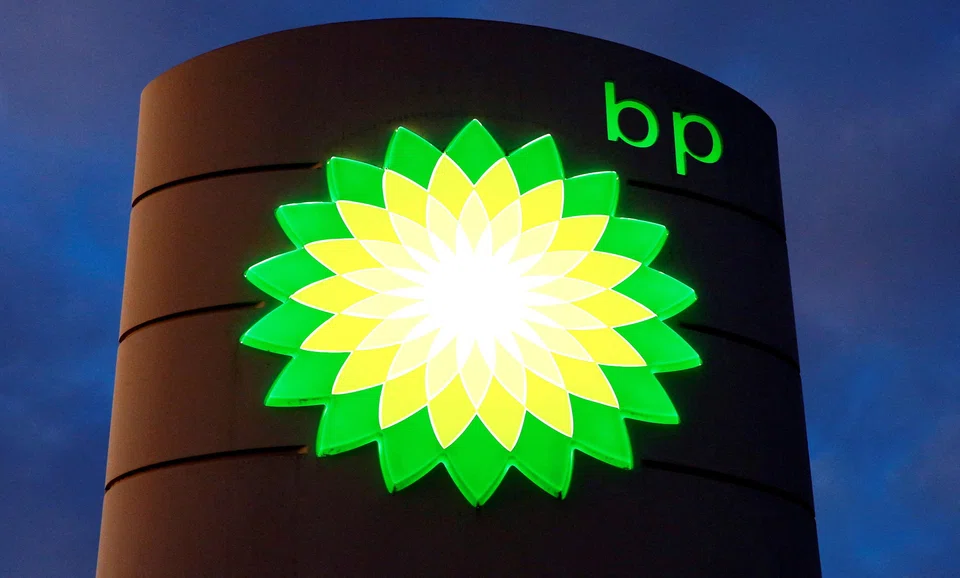
[LONDON] BP’s second-quarter profit more than doubled to US$5.73 billion on higher oil and gas prices and strong refining margins, it reported on Tuesday (Aug 4), as CEO Meg O’Neill outlined the energy group’s priorities.
Oil majors have benefited this year from market volatility caused by the US-Iran conflict, which has disrupted energy flows and tightened global supplies.
BP’s Q2 underlying replacement cost profit, its version of net income, beat expectations of US$5.11 billion in a company-provided poll of analysts and rose from US$2.35 billion a year earlier.
It said it would increase its dividend by 4 per cent, to US$0.866 per ordinary share for the quarter.
The group also said it had launched processes to sell its US biogas business Archaea as it continues to reduce its renewables investments to focus on oil and gas.
It bought Archaea in 2022 for US$4.1 billion as part of an aggressive expansion in renewables – a strategy it abandoned in 2025. It has written off billions from its low-carbon businesses in recent months.
In recent weeks, BP has also completed the sale of its Gelsenkirchen refinery, agreed to sell its retail business in Austria and announced its intention to sell its UK North Sea business.
O’Neill, who took over as CEO in April, outlined on Tuesday five priorities for BP:
- Further strengthening the balance sheet;
- Simplifying the portfolio;
- Tightening investment discipline;
- Improving operational performance; and
- Creating structures that enable faster decision-making and greater accountability.
“We are not making the most of our potential,” she said.

“Our performance over the past few years has not met our own expectations, let alone those of our shareholders. We have not delivered consistently; we have written off too much value; and our costs and liabilities are not resilient enough in a low price environment.”
BP’s priorities ultimately will be judged on execution, RBC analysts said in a note.
“Ownership of BP’s historical failings is a good step forward for the investment case, and we look to the call for more clarity on the financial framework and tangible plans ahead,” they said.
While BP is expected to hit a net debt target of US$14 billion to US$18 billion earlier than initially planned at the end of this year, O’Neill said total liabilities expected at around US$40 billion by then were still too high.
BP expects capital expenditure in 2026 to come in at US$13.5 billion to US$14 billion, reflecting a decision to delay asset farm-downs and capture better value. Previous guidance was US$13 billion to US$13.5 billion.
In Q2, net profit was the highest for any quarter since Q3 2022; profits across BP businesses beat expectations.
Pre-tax profit at its customers and products unit, which includes its huge oil trading desk, was US$4.95 billion, above the average estimate in a company-provided analyst poll of US$4.46 billion and US$1.53 billion a year earlier.
The group said upstream plant reliability fell to 92.4 per cent in Q2 from 95.7 per cent in the previous quarter. Production declined to 2.2 million barrels of oil equivalent per day and its refineries processed less crude, partly due to planned maintenance and disruption from the conflict in the Middle East.
Brent crude prices averaged about US$97 a barrel in Q2, up from US$78 in Q1 and US$67 a year earlier; while European gas prices rose to 46 euros (US$52.96) per megawatt-hour from 40 euros in Q1 and 36 euros a year earlier.
O’Neill revealed several companies have expressed interest in buying BP’s North Sea business.
She added that repeated changes in UK policy on oil and natural gas contributed to the decision to exit the basin, along with efforts to strengthen the company’s balance sheet.
“We still think there is untapped oil and gas potential in the basin,” she said in a Bloomberg TV interview. “Hopefully we’ll see some good things from this new government.”
Oil companies say the UK has become less attractive for investment as a result of policies on taxes as well as exploration, with the previous government opposed to new drilling.
Prime Minister Andy Burnham, who took office in July, has said he will not ignore the resources in the North Sea.
BP is the last remaining global oil major to have its own standalone North Sea business after its rivals Shell and TotalEnergies combined their operations with others to form independent units in the ageing offshore basin.
By the end of the year, BP expects to have reached US$15 billion to US$16 billion of a US$20 billion divestment programme it announced in 2025, for delivery by the end of 2027.
Chief financial officer Kate Thomson said in an analysts’ call that the shape of the balance sheet was more important to her than the US$20 billion programme tally.
“That’s a decision that was not made lightly,” O’Neill said, noting that the company has had a presence in the North Sea for more than 50 years. “It’s simply a question of capital discipline and capital allocation within BP.” REUTERS, BLOOMBERG
Decoding Asia newsletter: your guide to navigating Asia in a new global order. Sign up here to get Decoding Asia newsletter. Delivered to your inbox. Free.
Share with us your feedback on BT's products and services
TRENDING NOW

Government to bring forward raising of retirement age, give employers more financial support to create flexi-load jobs
If Europe goes to war, the fallout will be felt in East Asia

Indonesia stocks suffer worst plunge in nearly 30 years as MSCI proposes standalone status

Vietnam’s northern provinces, not Hanoi or Ho Chi Minh City, are powering near 10% GDP growth

