

Oil slumps below US$100 as Iran agrees to open Hormuz in ceasefire
The near-closure of the Strait of Hormuz has roiled energy markets
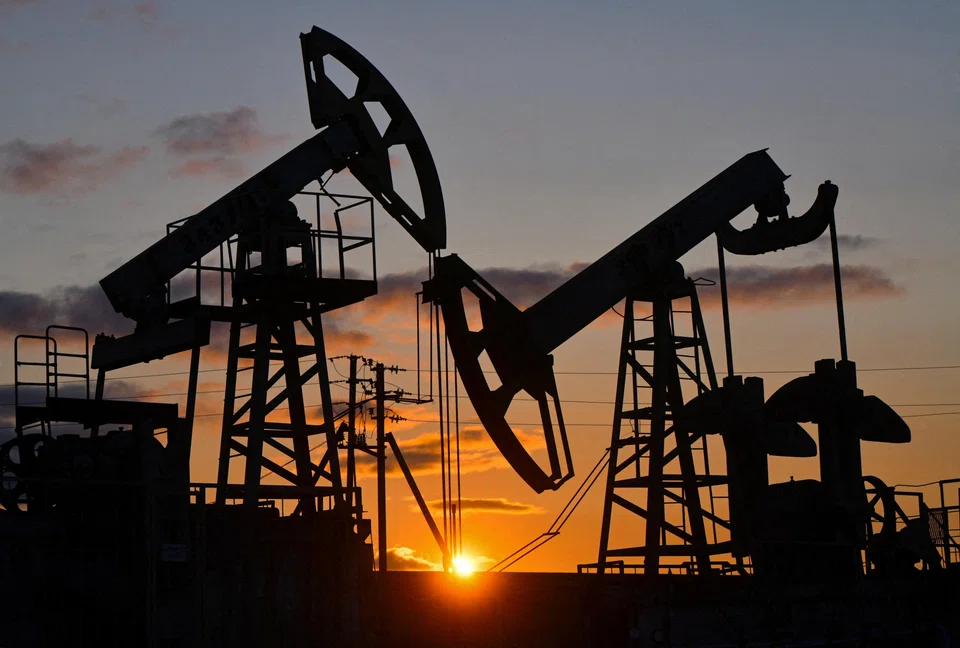
[SINGAPORE] Oil plunged below US$100 a barrel after Iran agreed to temporarily reopen the Strait of Hormuz as part of a two-week ceasefire agreement with the US and Israel.
West Texas Intermediate (WTI) fell as much as 19 per cent, its biggest intraday decline since 2020, to near US$91 a barrel, while Brent closed at around US$109 on Tuesday (Apr 7).
Safe passage through the strait will be possible via coordination with Iran’s armed forces and with “due consideration of technical limitations”, Iranian Foreign Minister Abbas Araghchi said.
US President Donald Trump said earlier that the ceasefire would be subject to Iran reopening the waterway, and will allow an agreement “to be finalised and consummated”. Israel has agreed to suspend bombing the Islamic Republic while talks are ongoing, according to CNN, while Axios reported the first round of talks between the US and Iran will be held in Islamabad on Friday.
The near-closure of the Strait of Hormuz, which normally sees the transit of about a fifth of the world’s oil and liquefied natural gas, has roiled energy markets, with WTI still up about 40 per cent since the conflict started at the end of February. The curtailment of shipments is expected to leave more than nine million barrels a day of oil output from key Middle Eastern producers shut in during April, according to US government estimates.
“The physical system won’t snap back quickly,” said Robert Rennie, head of commodity research at Westpac Banking. “Restarting shut-in wells, repositioning crews and vessels, and rebuilding refinery inventories will take months.”
SEE ALSO

The lead-up to Trump’s 8 pm Eastern Time deadline was marked by military escalation and increasingly bellicose threats from the US president aimed at Iran, including a post saying “a whole civilisation will die tonight”.
Earlier in the day, American forces struck sites on the Islamic Republic’s Kharg Island similar to those that were hit in a round of attacks last month, but did not target energy infrastructure, according to US officials. BLOOMBERG
Decoding Asia newsletter: your guide to navigating Asia in a new global order. Sign up here to get Decoding Asia newsletter. Delivered to your inbox. Free.
Share with us your feedback on BT's products and services






