

Britons face record energy bill surge, forcing government to act
 Add BT as a preferred source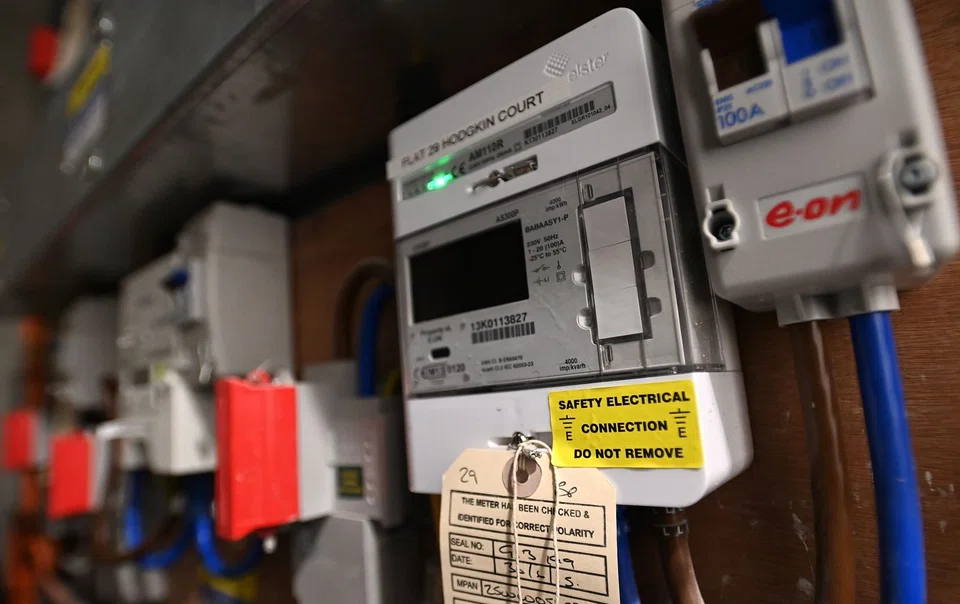
[LONDON] The UK's cost of living crisis is set to escalate dramatically on Thursday, with millions facing a record increase in energy bills, forcing the government to roll out a multi-billion pound package to ease the burden.
The energy regulator Ofgem is likely to lift energy bills by 50 per cent to an average of £1,924 (S$3,514) a year on average at 11 am in London. Consumers in aggregate would pay £18 billion more.
In response, Prime Minister Boris Johnson's government is set to announce measures to cushion the blow, including state-backed loans to energy providers that would help lower bills.
The Bank of England is also widely anticipated to raise interest rates in an attempt to tame the highest inflation in 30 years.
"People are looking at everything going up - prices, interest rates, even taxes - which is a problem for households," said George Buckley, European economist at Nomura. "And that's a problem for the government, which will have to act."
The central bank is alarmed that inflation jumped to 5.4 per cent in December and will likely rise to more than triple the pace of its 2 per cent target. Investors and economists anticipate the key rate will be increased to 0.5 per cent. That's the threshold where policy makers can start paring back the £895 billion asset portfolio, which ballooned during more than a decade of stimulus to tamp down market borrowing costs.
Johnson himself called attention to plight of consumers, telling reporters on a trip to Essex that "we all understand the pressures that the cost of living crunch is putting on people" and that Sunak is drawing up measures to help.
Government ministers have been in talks with energy suppliers for months to work out how best to contain the hit that household budgets will suffer when the regulated cap on bills, a limit on the amount suppliers can charge households, rises on April 1.
The centre-piece of the government's support package is likely to be a state-backed loan programme, according to business and advisers who have spoken to Treasury officials. Utilities will be given cheap loans underwritten by the taxpayer to pass on an equivalent price cut to their customers.
The rebate is expected to be about £200 per home, costing the Treasury about £6 billion in total. The energy providers will repay the loan in future years by adding a surcharge to bills once prices have dropped back, spreading the cost over many years.
A similar loan programme will be used to cover the cost of taking on clients from failed rivals. More than two dozen providers have gone bust since gas prices started to rocket in August. Further targetted measures to support poorer households are also expected.
By targetting bills, the Treasury will bring down inflation, taking a little pressure off the BOE. The price stabilisation measure would have the effect of reducing inflation by around 0.3 of a percentage point, said Simon French, chief economist at Panmure Gordon. Bloomberg Economics estimated that the inflation could be 0.5 of a point lower.
Energy and inflation are just two of the pressures facing consumers. The Treasury is adding to the pain by boosting payroll taxes starting in April to fund health and care for the elderly.
A loan scheme would also have the benefit of being off-the-books, giving the Treasury more fiscal firepower to target support at poorer households facing fuel poverty and higher basic living costs.
An increase in the Warm Home Discount, a VAT cut in fuel bills, a council tax rebate and a higher uprating in benefits, including the state pension have all been discussed.
A £200-a-year break on bills would cost the government £6 billion a year, said Paul Johnson, director of the Institute for Fiscal Studies.
That would be "quite substantial - half the increase in the national insurance contribution tax rise." French said: "The package risks spreading the relief to those who can easily afford the uptick, leaving less financial support for those who face a stark choice between eating and staying warm."
Lower headline inflation would help the BOE ensure the current spike in inflation does not become permanent. "Raising rates is just worsening people's misery. It's a complicated balancing act for the Bank," Buckley said.
The government has already earmarked about £12 billion of support for energy bills this financial year and next. That includes £500 million for the most vulnerable through initiatives such as the Household Support Fund and Warm Home Discount. BLOOMBERG
Decoding Asia newsletter: your guide to navigating Asia in a new global order. Sign up here to get Decoding Asia newsletter. Delivered to your inbox. Free.
Share with us your feedback on BT's products and services
TRENDING NOW

SIA sinks into the red with S$76 million Q1 loss as fuel costs jump

15-month wait-out curb lifted for private property owners buying HDB resale flats

Singapore banks’ battle for wealth talent goes beyond private bankers

New career paths, deeper client bonds: How SME founder made AI serve her employees, not replace them

