Bumitama Agri net positive on oil hikes as palm oil prices move in tandem with crude
Palm oil is a key feedstock in biofuel, whose demand tends to rise when crude oil prices surge

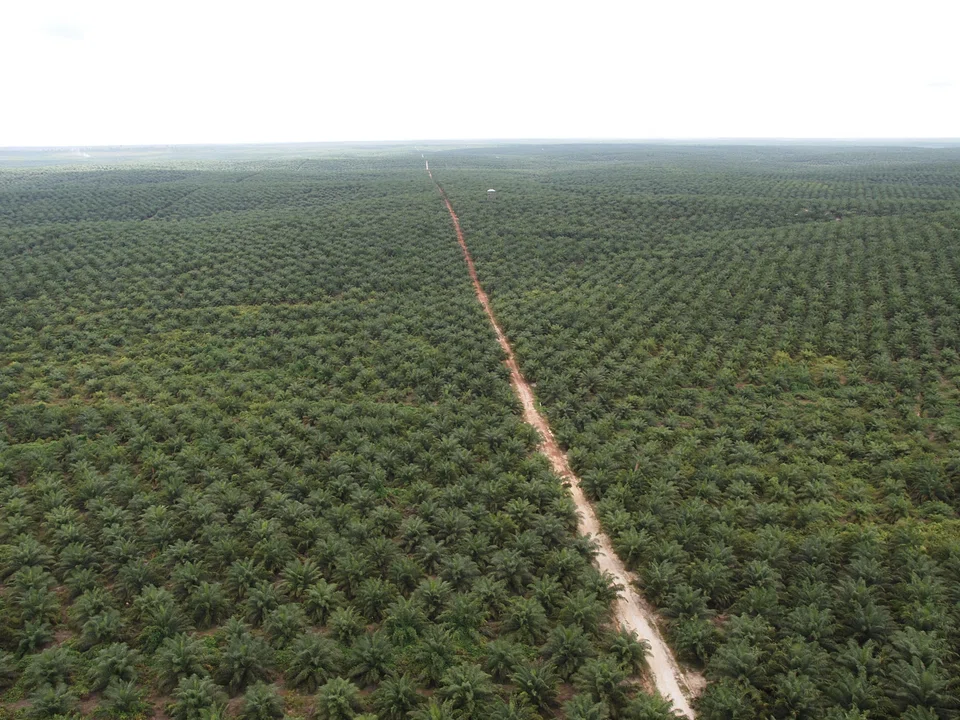
[SINGAPORE] Rising energy prices as a result of the Iran war are unlikely to negatively affect palm oil producer Bumitama Agri and could even provide an overall boost to its business, it said, even as it noted cost pressures.
The Indonesia-focused company published its response to a shareholder in a regulatory filing on Wednesday (Apr 22), stating that fuel and fertiliser costs have historically accounted for about 10 per cent of total production costs on average.
Palm oil prices tend to be positively correlated with energy prices, said Bumitama Agri, noting that the vegetable oil is also a key feedstock in biofuel production. Higher fossil fuel prices usually “support increased biodiesel production volume”, particularly for major producers such as Indonesia and the US.
That and higher structural demand over time from the energy sector could also – in certain scenarios – be “net supportive” of the mainboard-listed company’s performance. About 25 per cent of global palm oil production in 2025 was intended for energy-related uses, up from around 15 per cent a decade ago, added Bumitama Agri.
In response to questions from the Securities Investors Association (Singapore), the company said that it does not actively hedge using financial derivatives such as commodity futures. Instead, it prefers to manage the pricing risk through a “disciplined and selective forward sales strategy” and relies on physical forward contracts “where appropriate”.
Forward sales are capped at a maximum of 40 per cent of nucleus crude palm oil production and for a maximum of six months, added Bumitama Agri. Nucleus crude palm oil refers to crude palm oil produced from plantations directly owned, managed and operated by a palm oil company like Bumitama Agri itself.
SEE ALSO




This “balanced” approach provides a certain level of price visibility “while retaining sufficient exposure to spot market movements”, the company said. It noted that in 2025, it refrained from signing forward contracts as forward pricing was not deemed “sufficiently attractive” compared with spot prices.
This allows Bumitama Agri to “remain disciplined and opportunistic, balancing downside protection with participation in favourable price environments”.
Shares of the company closed at S$1.93 on Tuesday, up 2.1 per cent or S$0.04.
Decoding Asia newsletter: your guide to navigating Asia in a new global order. Sign up here to get Decoding Asia newsletter. Delivered to your inbox. Free.
Copyright SPH Media. All rights reserved.