China's hopes for shale boom may be fading
It cuts output target for end of decade to a third of earlier estimate
Beijing
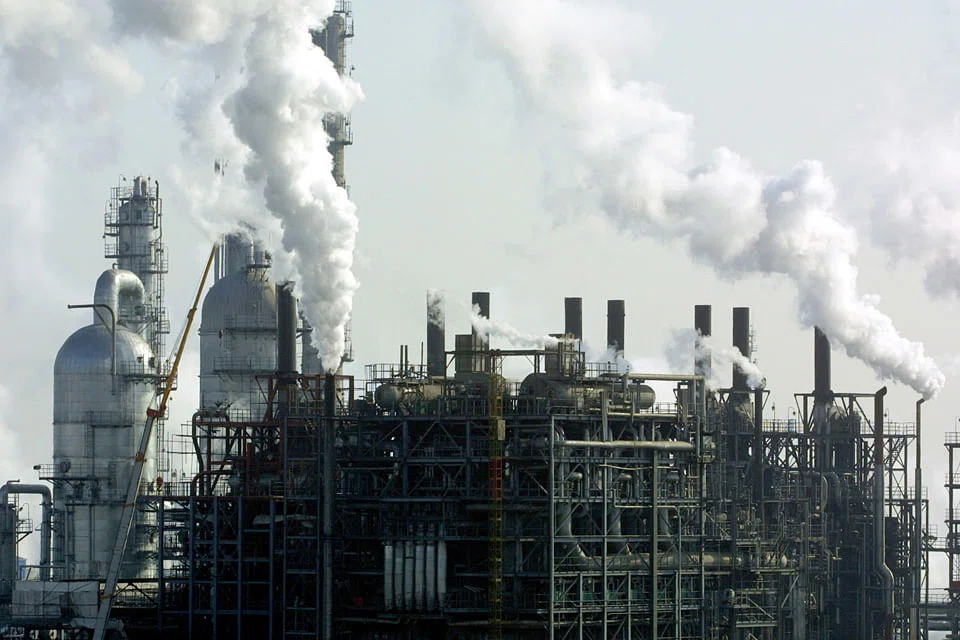
CHINA'S shale boom may be fizzling out before it even gets going. The nation has cut its output target for the end of the decade to a third of its earlier estimate as difficult geology, lack of infrastructure and limited exploration rights conspire against its shale gas ambitions.
Big gas import deals, a lower oil price and China's commitment to clean energy also weigh on shale's promise.
"It's a reality check for policymakers who've finally realised the shale gas boom may not come as easily as many thought," said Shi Yan, an analyst at UOB-Kay Hian Ltd in Shanghai. "Progress has been made in many areas but none of them are big enough to trigger a shale revolution."
China, which has the world's largest shale gas reserves, awarded 18 companies exploration rights in two auctions in 2011 and 2012, in an attempt to replicate the US shale boom and cut its reliance on imports. Only one of these, state-owned energy giant China Petroleum & Chemical Corp, has started to produce the fuel commercially. It's bigger rival, PetroChina Co, is also producing shale gas from its own reserves.
Earlier this week, the State Council, China's top decision-making body, cut its 2020 output goal to "over 30 billion cubic meters" from as much as 100 billion cubic meters, confirming earlier reports that China has scaled back its target.
A third round of auctions, originally expected this year, has yet to be announced.
The Ministry of Land and Resources may be delaying the auction as it figures out how to attract the kind of bidders who can deliver on shale, according to Lin Boqiang, director of the Energy Economics Research Centre at Xiamen University.
"You have to provide a large number of good-quality shale gas assets in a national auction to attract bidders," he said, adding that that wasn't the case in the earlier auctions.
Mr Lin, who is also an independent director at PetroChina, said he expects the auction in the first half of 2015.
Other factors may be contributing to the waning of China's shale hopes. Lower crude prices since the summer leave its production more costly by comparison - Brent, the global benchmark, has fallen 28 per cent this year to below US$80 a barrel - while China's pledge last week to cap carbon emissions by 2030 and turn to renewable sources for 20 per cent of its energy lessens shale development as a priority.
China's two natural gas import deals with Russia this year have also reduced the urgency to drill for the fuel, UOB's Mr Shi said.
Shenhua Group Corp, China's biggest coal producer, and China Huadian Corp, one of its biggest power generators, were the big winners in the second round of auctions.
Shenhua started drilling its first shale gas testing well in June, 18 months after winning the exploration rights, according to a newsletter on the company's website.
Huadian was the biggest winner in the second round with three parcels and said in April 2013 that it planned to invest 1.5 billion yuan (S$318.3 million) on shale exploration that year. The company hasn't updated the state of play since then and its spokesman didn't answer calls seeking comment.
Drilling costs in the US are as low as US$3 million a well, according to Neil Beveridge, a Hong Kong- based analyst at Sanford C Bernstein & Co. The cost for PetroChina and Sinopec are as much as four times that, according to company data. Bloomberg